The allure of the balance bike lies in its simplicity and effectiveness as a first step towards independent cycling. Globally, the demand for early childhood development tools like balance bikes is steadily increasing, fueled by a growing awareness of the benefits of physical activity and outdoor play. These bikes aren't just toys; they are fundamental tools in developing gross motor skills, coordination, and confidence in young children, setting a strong foundation for a lifetime of active living.
The popularity of balance bikes extends beyond mere recreational use. They are increasingly recognized by educators and pediatricians as a superior alternative to traditional training wheels, fostering a more intuitive learning process. This shift in understanding is driving market growth, with manufacturers innovating in design and materials to cater to diverse needs and preferences. The growth also impacts families seeking safer, more efficient ways to introduce their children to the joys of cycling.
Understanding the nuances of balance bikes – from selecting the right size and features to mastering riding techniques – empowers parents and educators to provide the best possible learning experience. A well-chosen balance bike can unlock a child’s potential for physical activity and independent exploration, fostering a love for cycling that lasts a lifetime.
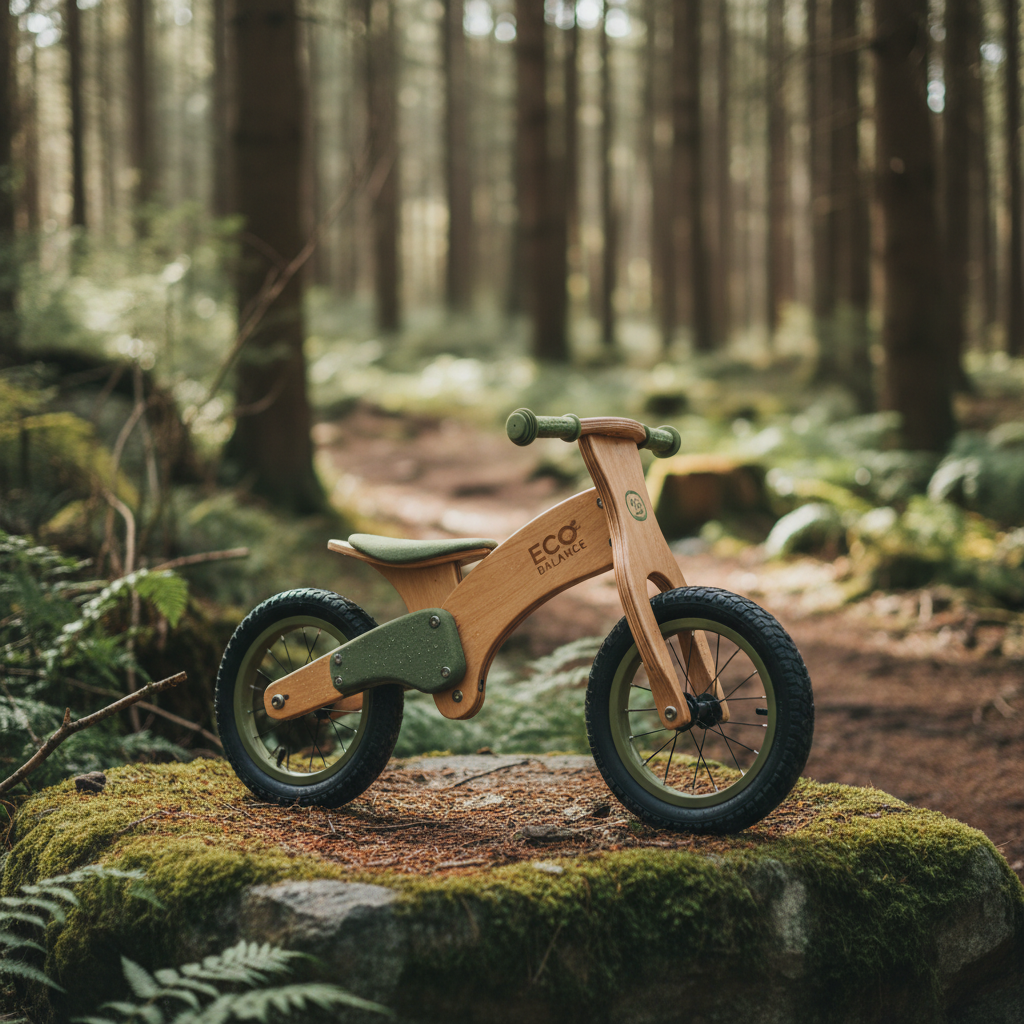
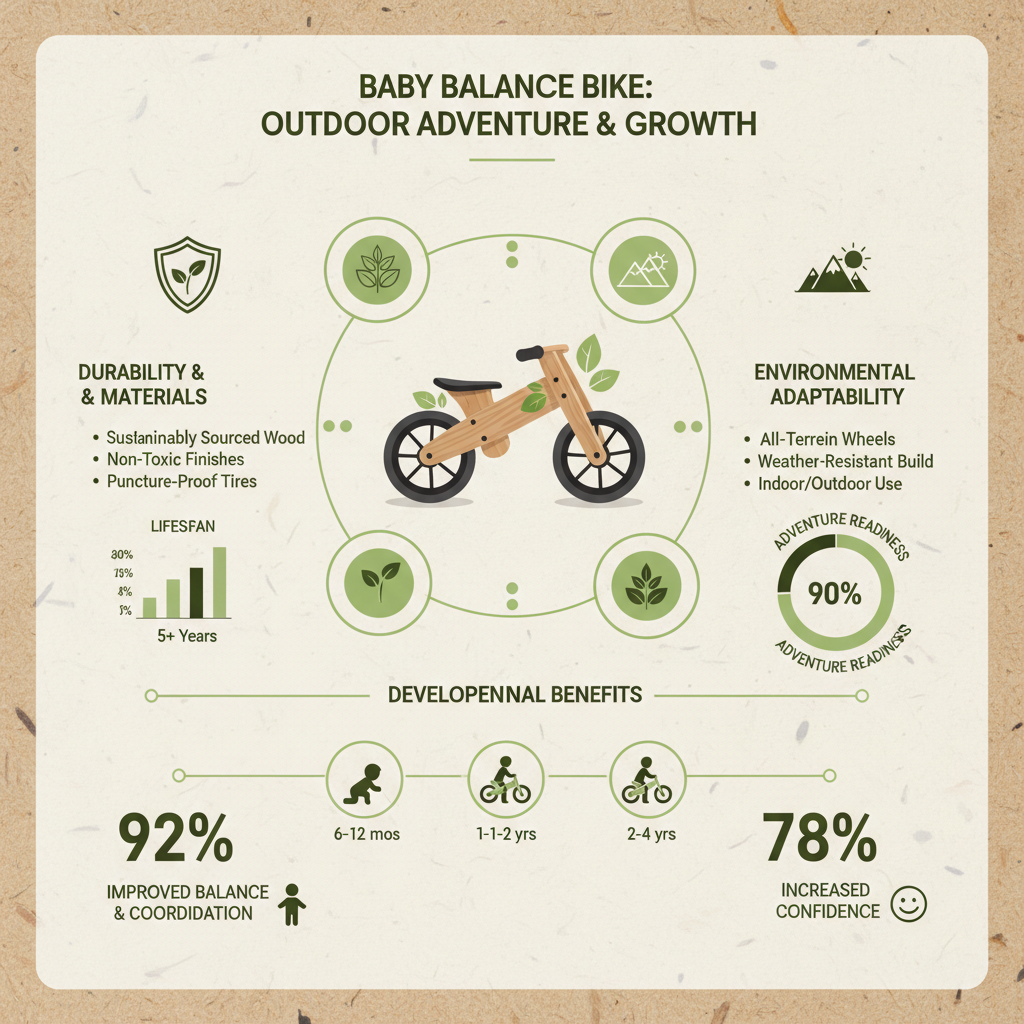
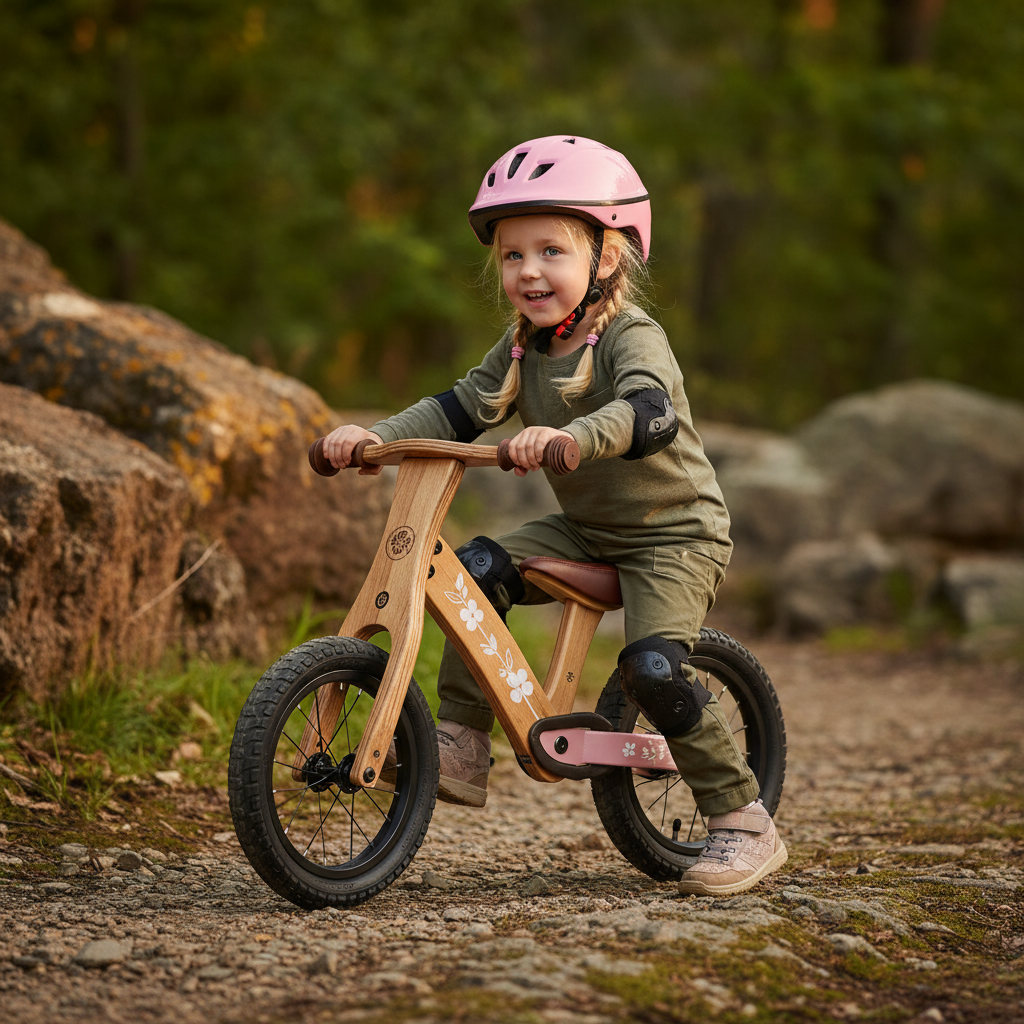
At its heart, a balance bike operates on the principle of introducing children to the concept of balance before pedaling. Unlike traditional bicycles with training wheels, balance bikes allow children to propel themselves forward using their feet, focusing on steering and maintaining equilibrium. This encourages a natural development of balance and coordination, building confidence without the frustration often associated with learning to pedal simultaneously.
This core principle makes learning to ride a pedal bike much easier and faster when the time comes. Children who master a balance bike have already internalized the essential skills of balancing and steering, enabling a seamless transition to a pedal-powered bicycle with minimal assistance. The feeling of independence and control fostered by a balance bike contributes to a positive and enjoyable learning experience.
Generally, children can start using a balance bike as early as 18 months old, when they have the leg strength and coordination to propel themselves forward. The key is that their feet can comfortably reach the ground while seated. Adjusting the seat height is crucial for ensuring proper form and allowing them to develop balance naturally. A balance bike is great when they begin to walk confidently and show an interest in wheeled toys.
Traditional bikes with training wheels artificially stabilize the bike, hindering the development of natural balance. A balance bike forces a child to learn to balance independently, using their body weight and steering to maintain control. This leads to a faster, more intuitive transition to a pedal bike, as they’ve already mastered the crucial skill of balance. It avoids the "falling" feeling when training wheels are removed, promoting confidence.
Consider features like a lightweight frame for easy maneuverability, adjustable handlebars and seat for proper fit, and a comfortable saddle. Some balance bikes also include footrest pegs, which can provide additional support and comfort. Always ensure your child wears a properly fitted helmet and appropriate safety gear while riding. Look for bikes with rounded edges and minimal protrusions to reduce injury risk.
While balance bikes perform best on smooth, flat surfaces, many models are designed to handle slightly uneven terrain. Pneumatic tires provide better shock absorption and grip on rougher surfaces compared to solid tires. For more challenging terrain, consider a balance bike with larger tires and a more robust frame. It’s always best to choose a riding location appropriate for your child's skill level.
The transition is usually surprisingly smooth! Since they already know how to balance, simply introduce the pedals and encourage them to practice. Start on a gentle slope and provide minimal assistance. Many children can pick up pedaling within a few attempts. A balance bike makes the learning process much less intimidating and faster than learning with training wheels.
A good quality balance bike can last through multiple children with proper care. The lifespan depends on the materials used, the frequency of use, and the storage conditions. Regularly check for loose bolts, worn tires, and any signs of damage. With careful maintenance, a balance bike can provide years of fun and developmental benefits.
In essence, the balance bike represents a significant evolution in early childhood mobility. By prioritizing balance and coordination over pedaling, it offers a natural, intuitive, and confidence-building learning experience. Its global adoption reflects a growing recognition of its developmental benefits and its potential to foster a lifelong love of cycling.
Looking ahead, continued innovation in design and materials will likely enhance the safety, durability, and accessibility of balance bikes. Encouraging the use of these bikes within early childhood education programs and promoting their benefits to parents can help shape a generation of confident, active, and skilled cyclists. Visit our website at www.gorgeousbike.com to explore our range of balance bikes and find the perfect one for your child!