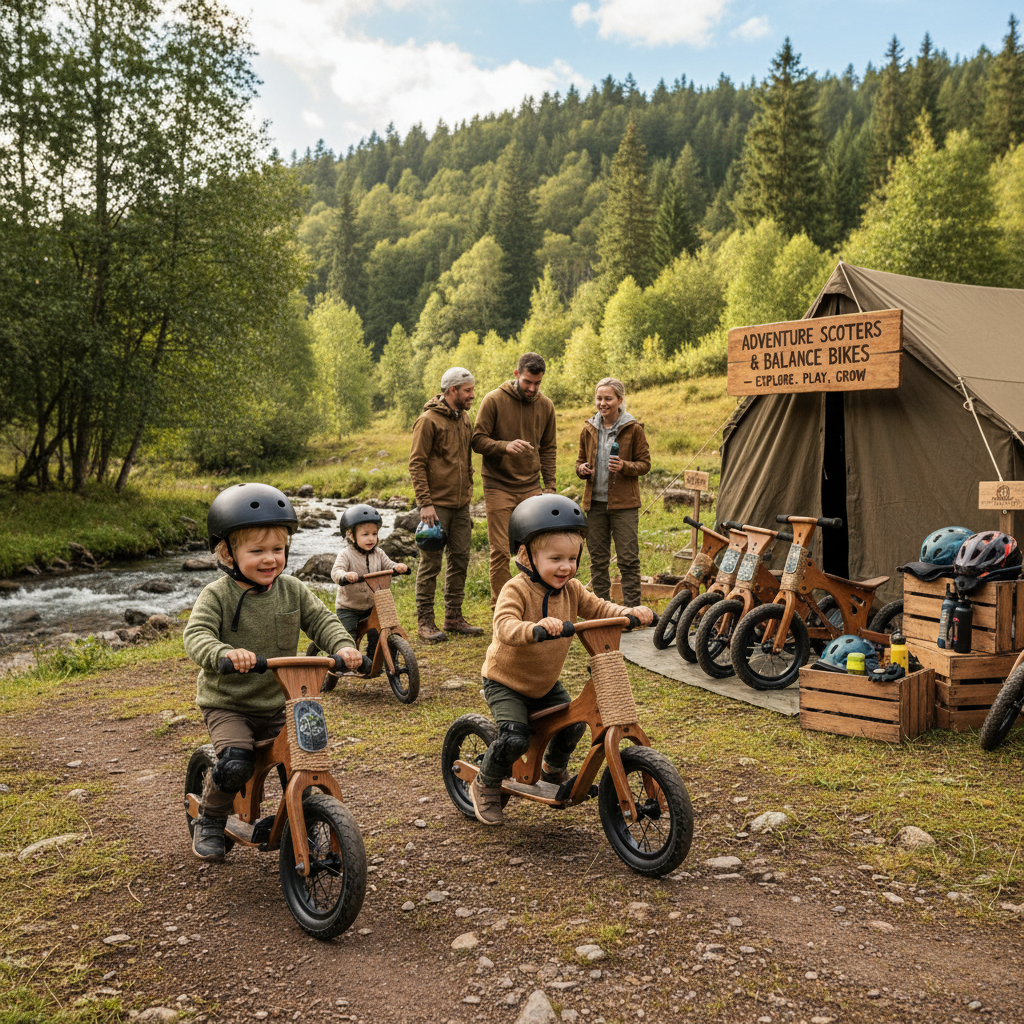
The world of early childhood development is constantly evolving, with parents and educators seeking innovative ways to foster a child's physical and cognitive growth. Among the tools available, the baby balance bike has emerged as a popular and effective method for introducing young children to the joys of cycling and developing crucial motor skills. Its simplicity and focus on natural balance make it a compelling alternative to traditional training wheels, impacting how toddlers learn to navigate their world.
Globally, the demand for safe, engaging, and developmentally appropriate toys and equipment for young children is consistently high. The United Nations Sustainable Development Goals (SDGs) emphasize the importance of quality education and well-being for all children, and encouraging physical activity from a young age aligns with these goals. The baby balance bike addresses the need for a fun and safe way to promote early physical development.
The increasing focus on early childhood education and the desire to instill a love of outdoor activity are driving the popularity of the baby balance bike. Many parents are recognizing the benefits of allowing their children to learn at their own pace, developing confidence and coordination without the constraints of traditional bicycles. This approach not only prepares them for future cycling endeavors but also builds crucial life skills.
The Fundamentals of Baby Balance Bikes
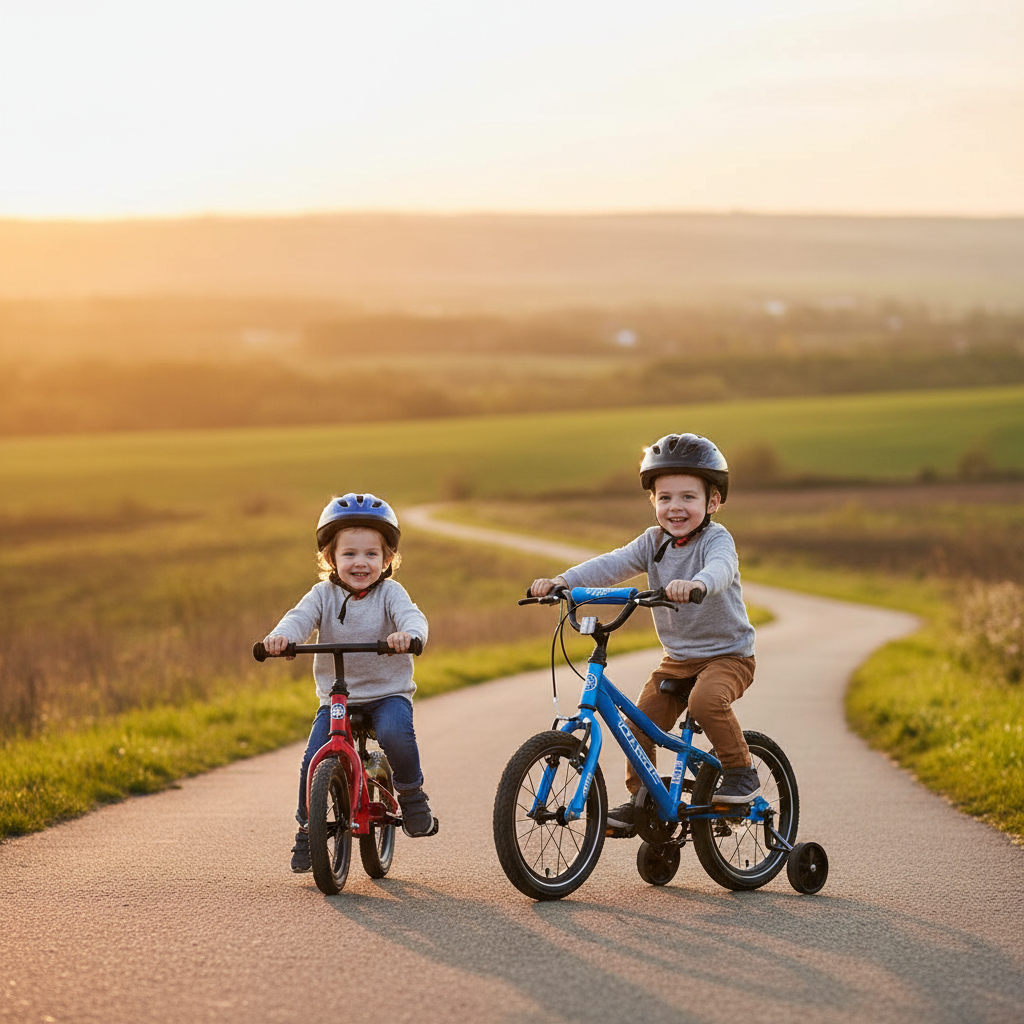
A baby balance bike differs significantly from a traditional bicycle with training wheels. Instead of relying on stabilizers, these bikes are designed without pedals, allowing children to propel themselves forward by simply walking or running while seated. This forces them to learn balance intuitively, developing a sense of coordination and control without the artificial support of wheels.
The fundamental principle behind a baby balance bike is to let the child’s natural instincts guide the learning process. By focusing on balance first, children develop confidence and a feel for steering, making the transition to a pedal bike much smoother and more natural when they are ready. This method often bypasses the frustrations associated with learning to pedal and steer simultaneously.
Defining the Baby Balance Bike Concept
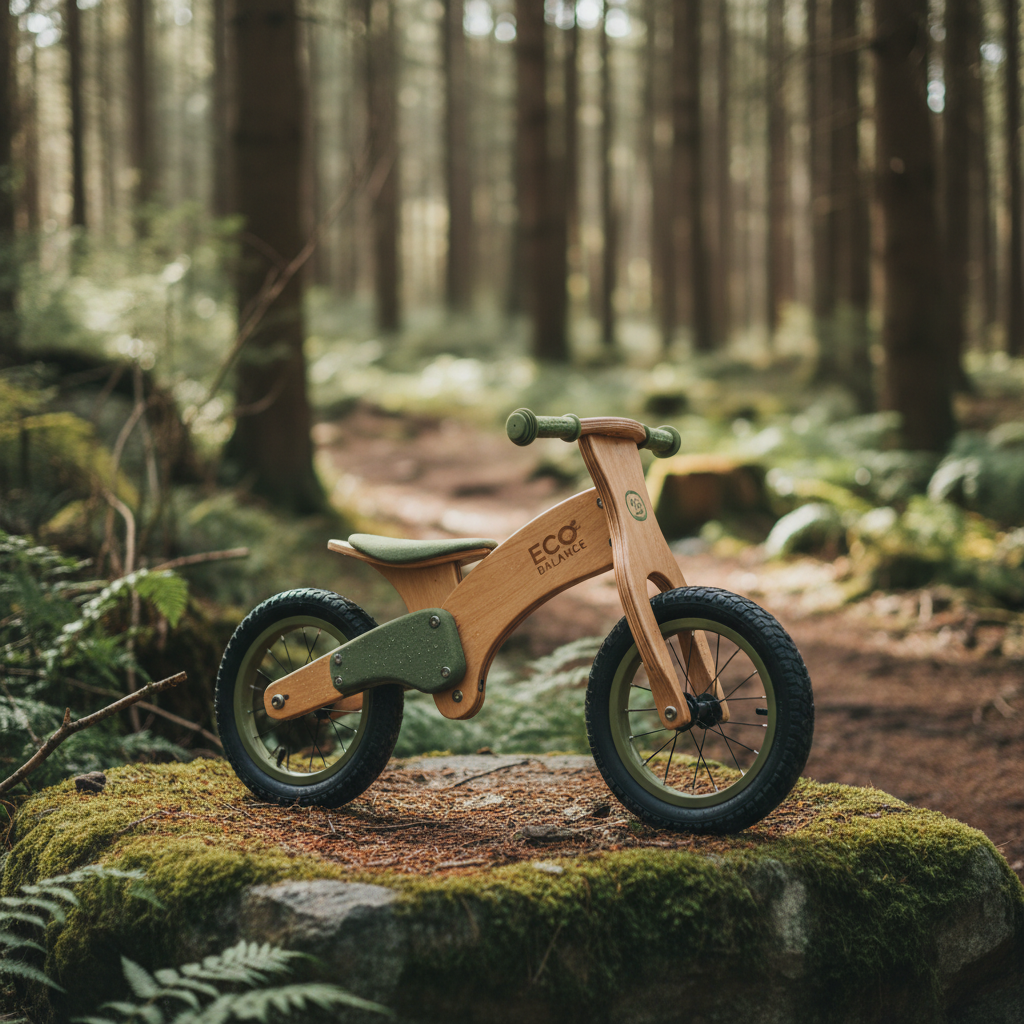
A baby balance bike is essentially a lightweight bicycle without pedals, designed for toddlers and young children to learn balance and steering. It allows children to propel themselves forward by pushing off the ground with their feet, developing coordination and confidence. Unlike traditional bicycles, they don't require the child to learn both pedaling and balancing at the same time, streamlining the learning process.
The concept aligns with modern pedagogical approaches that emphasize child-led learning and motor skill development. Rather than an adult actively 'teaching' the child to ride, the baby balance bike empowers the child to discover and master the skill independently. This fosters a sense of accomplishment and encourages a lifelong love of cycling.
The significance extends beyond simple recreation. Developing balance and coordination at a young age is crucial for overall physical development, contributing to improved posture, spatial awareness, and cognitive skills. The baby balance bike serves as a powerful tool in this early developmental stage.
Core Components of a Quality Baby Balance Bike
When selecting a baby balance bike, several key components contribute to its safety, functionality, and longevity. Firstly, the frame material is crucial – lightweight aluminum is ideal, offering a good balance between durability and maneuverability. Heavier steel frames can make it difficult for young children to control the bike.
Secondly, adjustable seat height is paramount. The child should be able to comfortably sit on the bike with their feet flat on the ground. As they grow, the seat can be raised to allow for continued use. Thirdly, consider the tire type – pneumatic tires offer a smoother ride and better traction, but require occasional inflation, whereas foam tires are puncture-proof but may offer less comfort.
Finally, braking systems (though not always present on very basic models) and steering limitations are important safety features. Some bikes feature foot brakes or limited steering range to prevent oversteering. A well-designed baby balance bike prioritizes the child's safety and ease of use.
Global Application of Baby Balance Bikes
The baby balance bike is gaining popularity globally, with widespread adoption in Europe, North America, and increasingly in Asia and Australia. Countries with a strong cycling culture, such as the Netherlands and Denmark, have readily embraced the concept as a natural progression in early childhood development.
In educational settings, nurseries and pre-schools are incorporating baby balance bikes into their physical education programs, recognizing the benefits of early motor skill development and promoting outdoor activity. Furthermore, they're becoming a staple for families seeking active alternatives to screen time.
Baby Balance Bike Learning Methods
Advantages and Long-Term Value
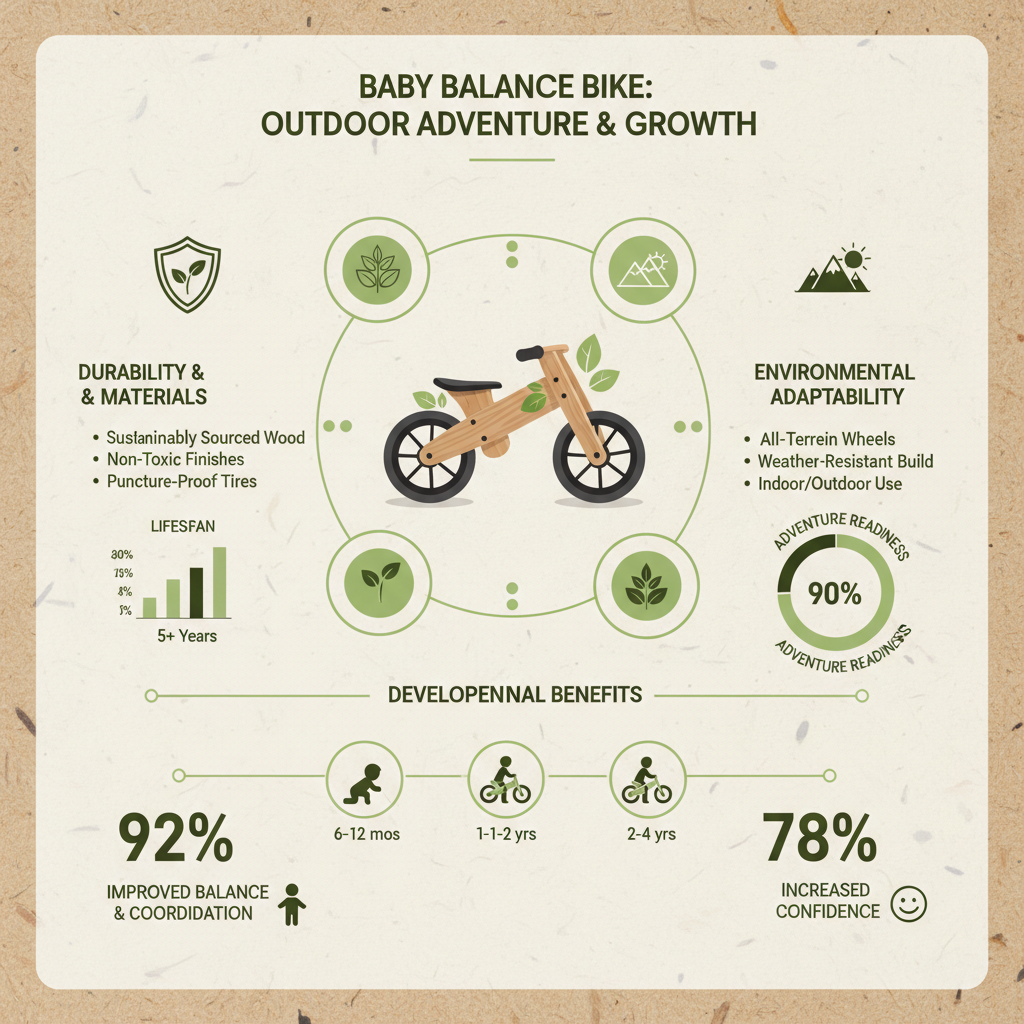
The advantages of using a baby balance bike are numerous. Firstly, it promotes faster learning. Children typically master balancing and steering more quickly than with traditional training wheels, leading to greater confidence and a more enjoyable experience. Secondly, it enhances motor skills and coordination, laying a strong foundation for future physical activities.
The long-term value extends beyond cycling proficiency. The development of balance, coordination, and spatial awareness contributes to improved cognitive function and overall physical well-being. A baby balance bike isn't simply a toy; it's an investment in a child's development and a gift that keeps on giving.
Future Trends in Baby Balance Bike Technology
The future of baby balance bike design is likely to focus on increased safety features, such as integrated helmets and improved braking systems. We can also expect to see more innovative materials used in frame construction, further reducing weight and increasing durability.
Smart balance bikes, incorporating sensors and connectivity to track a child's progress and provide feedback, are also on the horizon. These bikes could offer personalized learning experiences and integrate with parenting apps, offering valuable insights into a child's development.
Sustainability is also becoming increasingly important. Manufacturers are exploring the use of recycled materials and environmentally friendly manufacturing processes to reduce the environmental impact of baby balance bike production.
Challenges and Solutions in Baby Balance Bike Adoption
One challenge in baby balance bike adoption is parental concern about safety. Some parents worry about their child falling or getting injured. Addressing this requires clear communication about the benefits of the bike and emphasizing the importance of appropriate safety gear, such as helmets and pads.
Another challenge is the initial cost, which can be higher than traditional bicycles with training wheels. To address this, manufacturers can offer more affordable options without compromising on safety or quality. Educational campaigns can also highlight the long-term value of a baby balance bike as an investment in a child's development.
Finally, ensuring proper fit and adjustment is crucial. Retailers should provide expert advice and fitting services to ensure that the bike is correctly sized for each child, maximizing safety and comfort.
Summary of Key Challenges and Solutions Regarding Baby Balance Bike Adoption
| Challenge |
Impact on Adoption |
Proposed Solution |
Implementation Priority (1-5) |
| Parental Safety Concerns |
Hesitation to purchase |
Comprehensive safety education and demonstration |
5 |
| High Initial Cost |
Limits accessibility |
Offer tiered pricing and financing options |
4 |
| Incorrect Bike Fit |
Reduces safety and comfort |
Professional fitting services at point of sale |
5 |
| Lack of Awareness |
Slows market growth |
Targeted marketing campaigns and educational content |
3 |
| Limited Retail Availability |
Inconvenient for consumers |
Expand distribution channels (online & brick-and-mortar) |
4 |
| Seasonal Demand Fluctuations |
Inventory management challenges |
Develop year-round promotional activities and complementary products |
2 |
FAQS
Generally, children can start using a baby balance bike as early as 18 months old when they can comfortably sit up and walk. The key is ensuring their feet can flat-foot on the ground while seated. It's less about age and more about developmental readiness. A child should have some walking ability and the desire to move independently. Starting too early can be frustrating, while waiting too long might hinder the natural learning process.
Baby balance bikes are very safe when used correctly and with appropriate safety gear. The low center of gravity and the ability for the child to easily put their feet down significantly reduce the risk of falls. However, it's crucial to always supervise young children and ensure they wear a properly fitted helmet. Consider knee and elbow pads for added protection, especially during the initial learning phase.
Baby balance bikes teach children the crucial skill of balancing, which is the most challenging aspect of learning to ride a pedal bike. Once a child has mastered balancing on a balance bike, transitioning to a pedal bike is often surprisingly quick and easy, as they don't need to learn balance simultaneously with pedaling and steering. They already have the foundational skill!
Look for a lightweight frame (aluminum is ideal), adjustable seat height, and puncture-proof tires. Consider a bike with a limited steering range for added safety, especially for beginners. Ensure the bike is appropriately sized for your child; their feet should comfortably reach the ground while seated. The quality of the brakes, if included, is also an important consideration.
Yes, most experts agree that baby balance bikes are more effective than training wheels. Training wheels create a false sense of balance and can hinder the development of natural coordination. Balance bikes allow children to learn the correct technique from the start, leading to a smoother and faster transition to a pedal bike and a more confident riding experience.
A well-maintained baby balance bike can typically last through multiple children. Many models have adjustable seat heights that accommodate a wide range of ages and sizes. With proper care (tire inflation, cleaning, and occasional maintenance), a quality balance bike can provide years of enjoyment and learning.
Conclusion
In conclusion, the baby balance bike represents a significant advancement in early childhood development, offering a safe, effective, and enjoyable way for children to learn balance, coordination, and confidence. Its emphasis on natural learning, coupled with its long-term benefits, makes it a valuable investment in a child’s physical and cognitive growth. The rising global adoption and innovative features demonstrate its increasing relevance in today’s world.
As technology continues to evolve and sustainability becomes increasingly important, the future of baby balance bike design promises even more exciting possibilities. By embracing these advancements and prioritizing safety and quality, we can ensure that future generations of children benefit from this remarkable learning tool. Visit our website today to explore our range of baby balance bikes and empower your child’s journey to independent mobility.