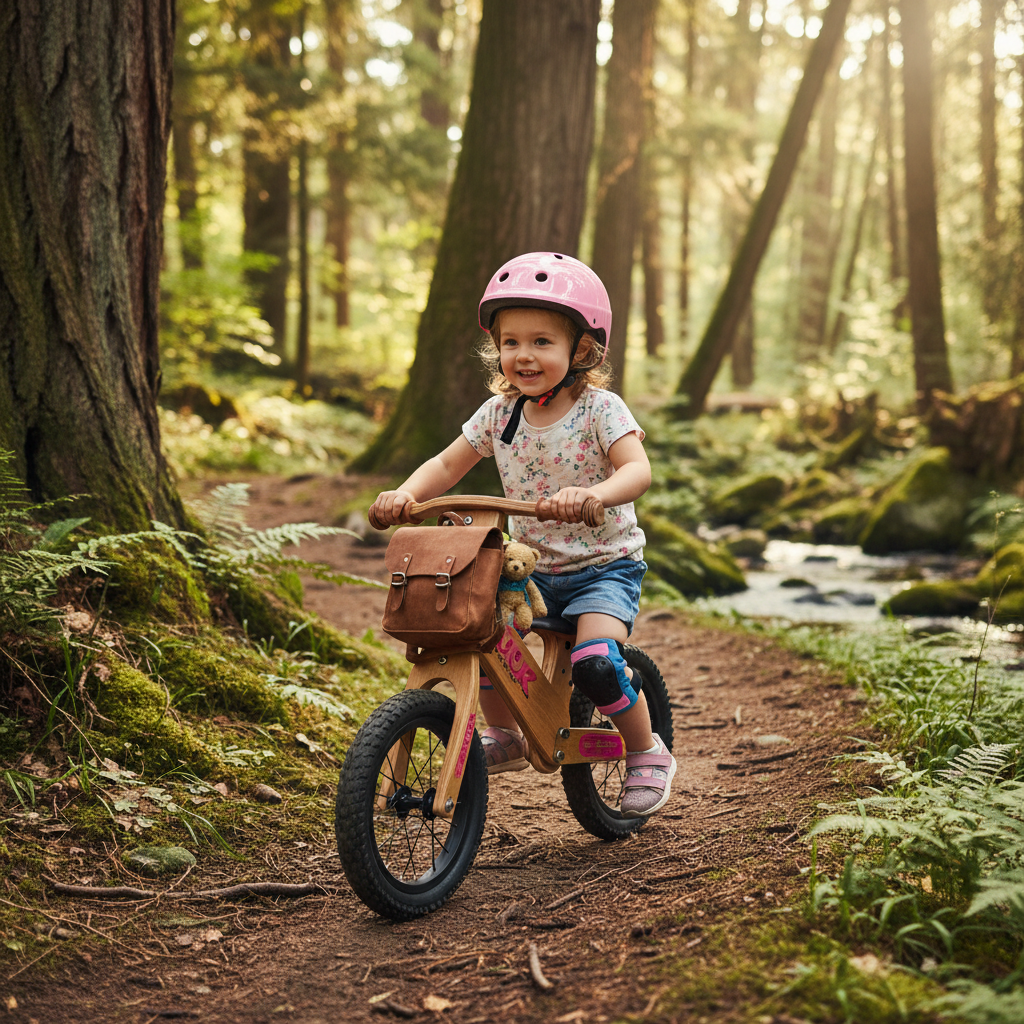
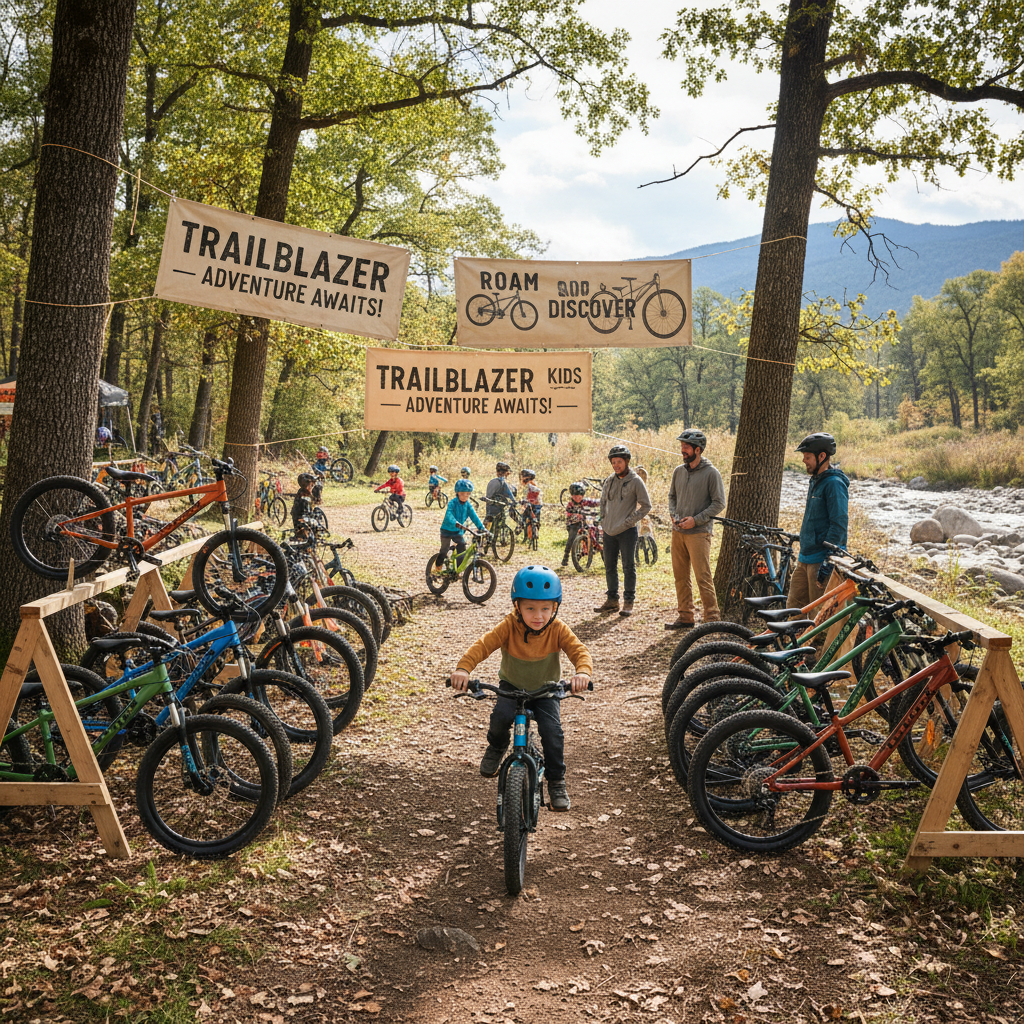
Choosing the perfect bike for kids girls is more than just a purchase; it is an investment in a child's physical health, confidence, and spirit of adventure. In an era dominated by screens, providing a high-quality bicycle encourages outdoor exploration and develops essential motor skills that last a lifetime.
From a global perspective, the demand for specialized children's cycling equipment has surged as parents prioritize active lifestyles and sustainable transportation. A well-designed bike for kids girls integrates ergonomic geometry with safety standards to ensure that young riders feel secure while mastering the art of balance.
Whether you are looking for a first balance bike to build confidence or a sturdy BMX for a budding athlete, understanding the technical nuances of frame materials and brake efficiency is key. This guide explores everything from industry standards to the emotional value of a first ride, helping you make an informed decision for your child's journey.
Global Industry Standards for Kids Bicycles
The manufacturing of a bike for kids girls is governed by strict international safety protocols, such as ISO 4210, which ensures that every component can withstand the unpredictable nature of child play. These standards regulate everything from the tensile strength of the frame to the non-toxicity of the paint, ensuring that children are not exposed to harmful chemicals during their ride.
Moreover, global trade organizations and safety commissions emphasize the importance of "age-appropriate" geometry. This means a bike for kids girls is not simply a scaled-down adult bike, but a specialized machine with a lower center of gravity and easier-to-reach brake levers, catering specifically to smaller hands and developing coordination.
Ergonomic Design and Child Safety
Ergonomics play a pivotal role in the development of a bike for kids girls, focusing on the relationship between the rider's height and the bike's touchpoints. A properly designed frame allows the child to touch the ground comfortably, reducing anxiety and preventing falls during the critical early stages of learning to ride.
Safety features extend beyond the frame to include high-visibility reflectors, non-slip pedals, and enclosed chain guards. The chain guard is particularly vital for a bike for kids girls, as it prevents clothing from getting caught in the drivetrain, avoiding potential accidents and keeping the rider's clothes clean.
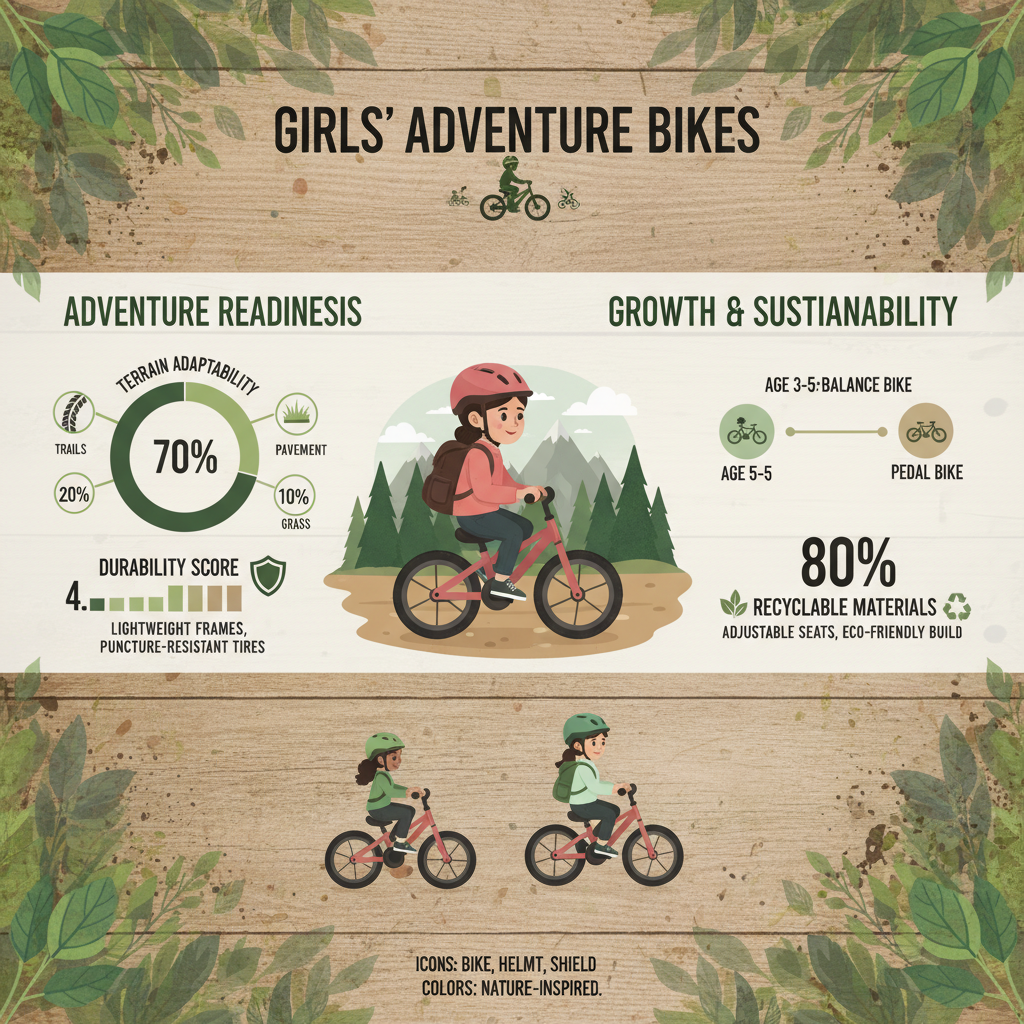
Furthermore, the integration of adjustable saddles and handlebars allows the bicycle to "grow" with the child. This scalability ensures that the ergonomic benefits are maintained over several years, providing a consistent and safe riding experience as the child transitions from a beginner to a confident cyclist.
Material Science in Youth Bike Manufacturing
When selecting a bike for kids girls, the choice of material—aluminum, steel, or carbon fiber—drastically affects the weight and handling. Lightweight aluminum alloys are currently the industry gold standard, offering a rust-resistant finish and a weight that allows children to maneuver the bike without excessive physical strain.
High-tensile steel is often utilized in entry-level bike for kids girls models due to its immense durability and cost-effectiveness. While heavier than aluminum, steel's ability to absorb vibrations provides a smoother ride on uneven terrains, making it an excellent choice for rugged neighborhood exploration.
Innovation in polymer composites is also making its way into the kids' market. These advanced materials allow for more organic frame shapes and even lighter weights, ensuring that a premium bike for kids girls is accessible and easy to handle, promoting a sense of independence and mastery over the machine.
Performance Metrics and Component Efficiency
Evaluating the efficiency of a bike for kids girls involves looking at the mechanical advantage of the gearing and the responsiveness of the braking system. For younger riders, a single-speed setup is often preferred to minimize complexity, while older children benefit from simple internal gear hubs that allow for easier climbing.
The quality of the bearings in the hubs and the smoothness of the bottom bracket contribute significantly to the overall "roll" of the bicycle. A high-efficiency bike for kids girls requires less effort to maintain momentum, which keeps the child engaged and prevents premature fatigue during their outdoor activities.
Comparative Component Performance for Kids Bicycles
Real-World Applications and Use Cases
In urban environments, a bike for kids girls serves as a primary tool for developing autonomy. From riding to a local park to joining a family bike ride on dedicated city paths, these bicycles transform a child's perception of distance and geography, fostering a sense of freedom and exploration.
In more rural or suburban settings, the application shifts toward endurance and terrain adaptability. A robust bike for kids girls with wider tires and durable treads allows children to navigate gravel paths and grass, encouraging a deeper connection with nature and a more adventurous approach to physical activity.
Sustainable Value and Long-Term Durability
The long-term value of a high-quality bike for kids girls is found in its resale value and its ability to be passed down to siblings. Manufacturers who prioritize durable welds and high-grade coatings ensure that the bike remains functional and aesthetically pleasing even after years of rigorous use.
Sustainability also manifests in the ease of maintenance. By using standardized parts—such as common tire sizes and brake pads—a bike for kids girls can be easily repaired at any local shop, extending its lifecycle and reducing the environmental impact of "disposable" toy-grade bicycles.
Ultimately, the emotional durability of the experience outweighs the financial cost. The confidence gained from mastering a bike for kids girls translates into other areas of a child's life, creating a foundation of resilience and persistence that lasts long after they have outgrown the frame.
Future Innovations in Kids Cycling Technology
Looking ahead, the industry is moving toward "smart" integration in the bike for kids girls market. We are seeing the emergence of integrated safety sensors that can alert parents via a mobile app if the bike deviates from a safe zone or if an impact is detected, blending traditional play with modern security.
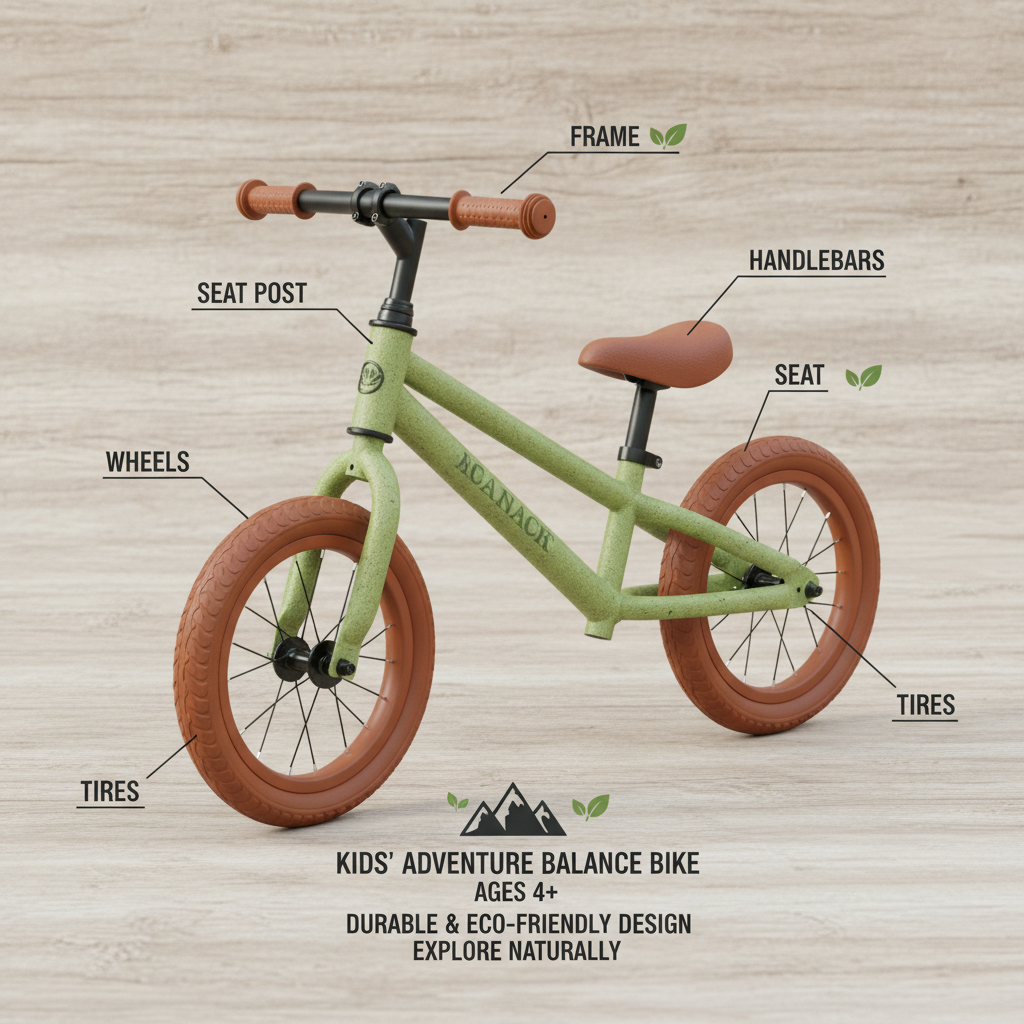
Material innovation is also pivoting toward bio-composites and recycled plastics to reduce the carbon footprint of manufacturing. Future bike for kids girls models will likely feature frames made from sustainable sources without compromising the structural integrity or the vibrant colors that children love.
Additionally, the rise of lightweight e-assist for older children is becoming a trend. These subtle power-assist systems help children tackle steeper hills, ensuring they don't get discouraged by difficult terrain, thereby keeping them active for longer periods and promoting a lifelong love for cycling.
Analysis of Material and Feature Comparison for Kids Bikes
| Frame Material |
Weight Class |
Durability Rating |
Recommended Age |
| Aluminum Alloy |
Ultra-Light |
8/10 |
4-8 Years |
| Hi-Ten Steel |
Heavy |
10/10 |
3-6 Years |
| Carbon Fiber |
Featherweight |
7/10 |
7-12 Years |
| Magnesium Alloy |
Light |
8/10 |
2-5 Years |
| Recycled Polymer |
Medium |
6/10 |
2-4 Years |
| Chromoly Steel |
Medium-Heavy |
9/10 |
6-10 Years |
FAQS
The best way to determine the size is by measuring the child's inseam (inner leg length) rather than just their age. For a bike for kids girls, ensure they can stand comfortably with both feet flat on the ground while seated. Typically, 12-inch wheels are for toddlers, 16-inch for ages 4-6, and 20-inch for ages 6-9, but always prioritize the physical fit over the age guideline.
While training wheels provide a sense of security, many experts now recommend balance bikes as a starting point. A balance bike allows a child to learn the core skill of equilibrium first, making the transition to a bike for kids girls with pedals much faster and more intuitive, often skipping the need for training wheels entirely.
A certified helmet is non-negotiable. Beyond the helmet, we recommend knee and elbow pads for beginners who are still mastering their balance. For a bike for kids girls, choosing bright colors or adding reflective accessories ensures high visibility to motorists and other pedestrians, adding an extra layer of safety.
A quick check every month is ideal. Ensure the tires are properly inflated, the brakes are gripping firmly, and the chain is lubricated. Because children can be rough on equipment, checking for loose bolts on a bike for kids girls ensures the ride remains safe and efficient, preventing costly repairs in the long run.
It depends on the priority. Aluminum is significantly lighter, which makes it easier for a child to pedal and steer a bike for kids girls. Steel is more durable and handles impacts better. For most urban and casual riders, aluminum is the preferred choice for its ease of use and rust resistance.
The key is to make it a social and rewarding experience. Create "bike missions" or visit local trails. Allowing her to personalize her bike for kids girls with stickers or a colorful basket can also create an emotional bond with the bike, making her more eager to head outdoors.
Conclusion
Investing in a high-quality bike for kids girls is a decision that balances technical safety, ergonomic precision, and the promotion of a healthy, active lifestyle. By focusing on material durability, appropriate sizing, and the integration of modern safety standards, parents can ensure that their children develop not only physical coordination but also a lifelong passion for exploration and independence.
As the industry evolves toward more sustainable materials and smart safety features, the role of the bicycle as a tool for childhood development only grows stronger. We encourage parents to look beyond the aesthetic and prioritize the engineering quality of the frame and components to provide a safe, joyful, and lasting experience. Visit our website to find the perfect ride: www.gorgeousbike.com