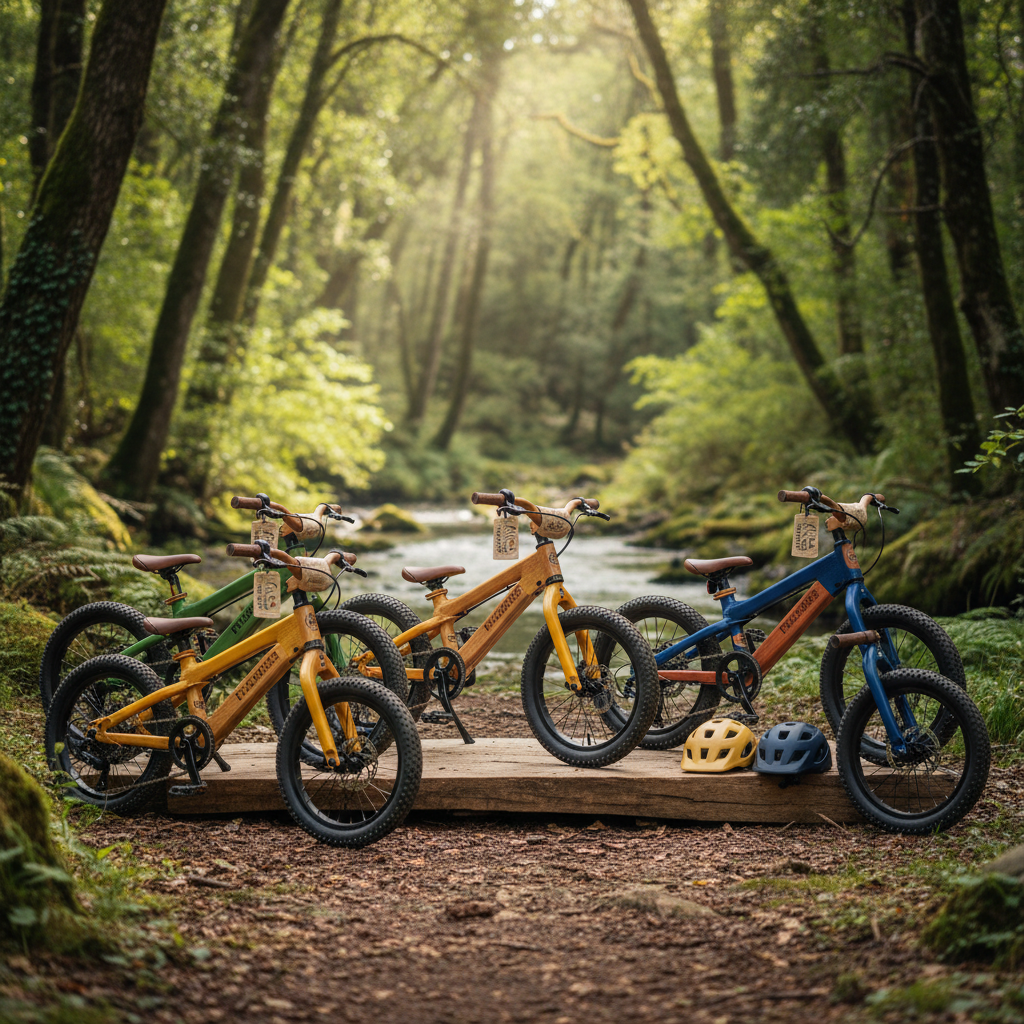
Finding the perfect transition bike for a growing child can be a daunting task for parents, but kids bikes 20 inch represent the critical "sweet spot" in childhood development. At this stage, children typically transition from training wheels to independent riding, requiring a machine that balances stability with the agility needed to explore their surroundings.
Globally, the demand for high-quality 20-inch wheels has surged as urban planning shifts toward "micro-mobility" and parents prioritize outdoor physical activity over screen time. These bikes are not merely toys; they are essential tools for developing motor skills, spatial awareness, and a lifelong habit of healthy living, making the choice of frame and components a matter of both safety and developmental success.
Whether you are navigating the suburbs of North America or the paved paths of Europe, understanding the technical nuances of kids bikes 20 inch—from brake lever reach to frame geometry—ensures that the child remains confident and secure. This guide explores everything from industrial standards to the long-term value of investing in a professionally engineered juvenile bicycle.
Understanding the Global Impact of 20-Inch Kids Bikes
The global proliferation of kids bikes 20 inch reflects a broader societal movement toward sustainable transport and child health. According to ISO standards for juvenile bicycles, the 20-inch wheel size is the gold standard for children aged 6 to 9, providing a bridge between the unstable nature of small balance bikes and the complexity of full-sized adult cycles.
In many developing regions, these bicycles serve as more than just recreational gear; they are vital for autonomy, allowing children to travel safely to school or community centers. By adhering to strict manufacturing protocols, the industry ensures that these bikes can withstand the rigors of diverse environments while remaining lightweight enough for a child to handle.
Defining the Technical Standards of 20-Inch Juvenile Cycles
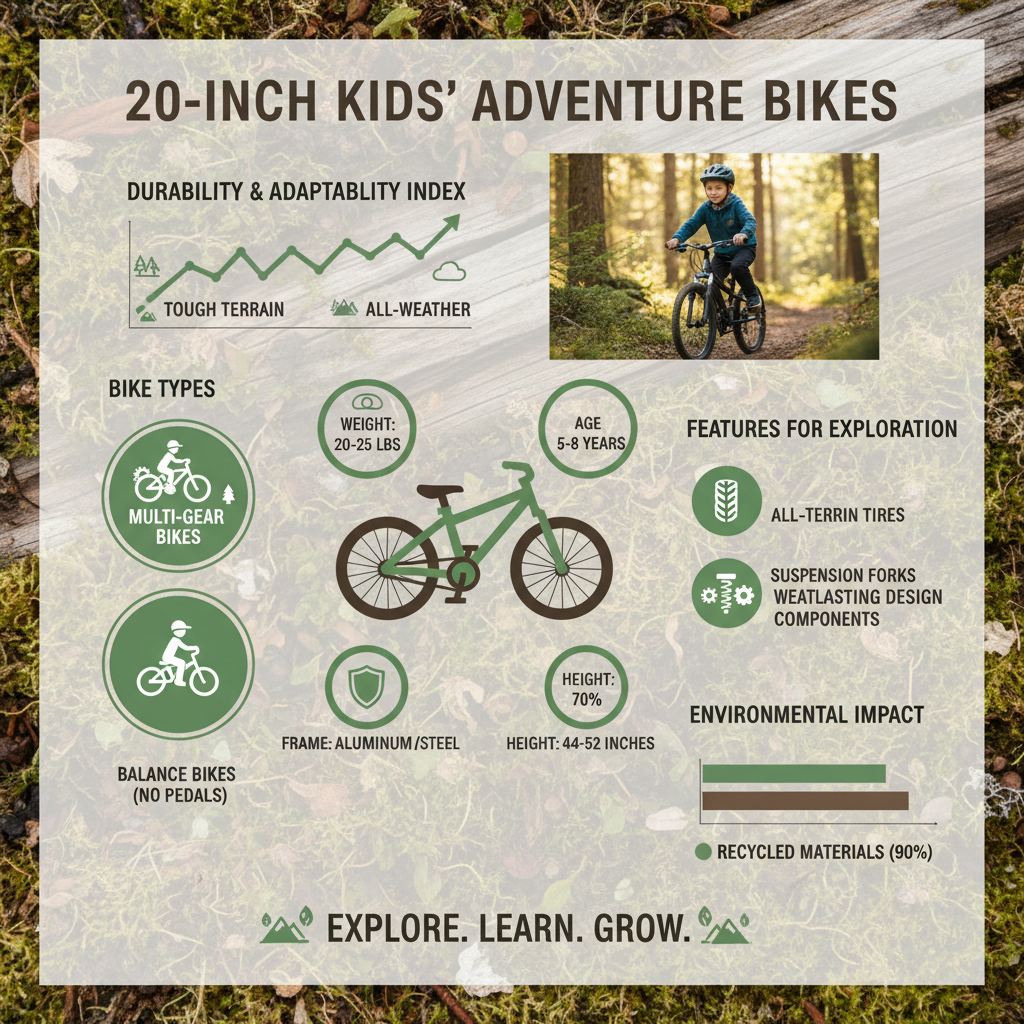
When we define kids bikes 20 inch, we are referring to the outer diameter of the tire. However, from a manufacturing perspective, it encompasses a specific geometry designed to accommodate the center of gravity of a child. The frame is typically lower (step-through) to allow for easy mounting and dismounting, which is crucial for beginners who may still struggle with balance.
Modern industry standards emphasize the use of lightweight alloys or reinforced steel to ensure that the bike doesn't become a burden to the rider. A bike that is too heavy relative to the child's weight increases the risk of falls and decreases the joy of riding, which is why the power-to-weight ratio is a primary focus for premium manufacturers.
Furthermore, these bicycles often integrate a mix of simplicity and sophistication. While many start as single-speed machines to avoid confusing the learner, the 20-inch category often introduces basic gear systems or coaster brakes, bridging the gap between basic mobility and technical cycling skills.
Core Components for Safety and Performance
Durability is the cornerstone of kids bikes 20 inch. The use of high-tensile steel or 6061 aluminum alloy ensures that the frame can survive the inevitable crashes associated with learning. This structural integrity is paired with reinforced rims that resist bending under impact.
Ergonomics play a vital role in the performance of kids bikes 20 inch. Short-reach brake levers are essential, as children have smaller hands; if the lever is too far from the grip, the child cannot stop effectively, creating a significant safety hazard.
Lastly, the integration of quality tires—whether they are wide "fat tires" for stability on sand and grass or sleek city tires for pavement—determines the versatility of the bike. A well-chosen tire tread reduces rolling resistance and improves grip during sharp turns, fostering confidence in young riders.
Practical Applications Across Diverse Terrains
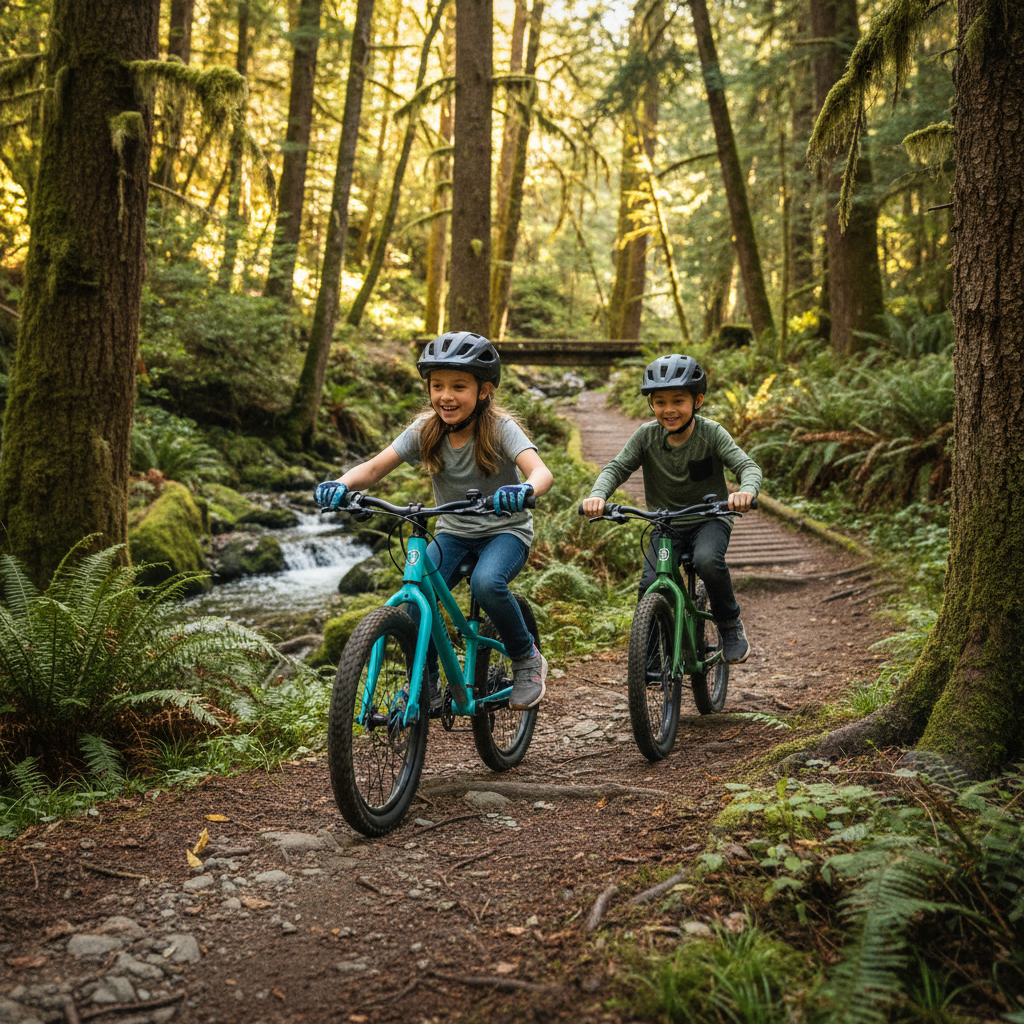
The versatility of kids bikes 20 inch allows them to be deployed in various real-world contexts. In urban European cities, these bikes are often used as "commuter" tools for children to navigate to local parks, while in the United States, they are frequently seen on suburban sidewalks and light trail paths.
Beyond recreation, these bikes are utilized by educational programs and NGOs in rural areas to increase children's access to schooling. In these contexts, a rugged 20-inch bike becomes a tool for empowerment, providing a reliable means of transport where public infrastructure may be lacking.
Performance Metrics of 20-Inch Kids Bike Variants
Long-Term Value and Sustainability Benefits
Investing in high-quality kids bikes 20 inch offers significant economic and environmental value. Unlike disposable "big-box" store bikes, a professionally engineered bicycle can be passed down through siblings or resold in the second-hand market, reducing the total cost of ownership and minimizing landfill waste.
From a psychological perspective, the reliability of a well-made bike builds trust between the child and their equipment. When a bike doesn't break or malfunction, the child develops a deeper sense of autonomy and confidence, transforming a simple product into a catalyst for personal growth and exploration.
Future Innovations in Kids' Cycling Technology
The future of kids bikes 20 inch is leaning heavily toward sustainable materials. We are seeing a rise in the use of recycled carbon fibers and bio-composites that maintain high strength while drastically reducing the carbon footprint of the manufacturing process.
Digital transformation is also entering the juvenile market. Some high-end models are now integrating smart sensors that can track a child's balance or provide gentle haptic feedback to help them maintain a straight line, blending traditional mechanical engineering with IoT (Internet of Things) capabilities.
Furthermore, the industry is moving toward "modular growth" designs. Future 20-inch frames may feature adjustable geometry that allows the bike to "grow" with the child, extending the product's lifespan and further enhancing the value proposition for eco-conscious parents.
Overcoming Common Challenges in Sizing and Fit
One of the most frequent challenges with kids bikes 20 inch is the "growth spurt" dilemma. A bike that fits perfectly today may be too small in six months, or conversely, a bike bought "too large" can be dangerous because the child cannot reach the ground or the brakes comfortably.
The solution lies in adjustable touch-points. By utilizing adjustable seat posts and handlebar stems, parents can fine-tune the fit as the child grows. Experts recommend the "stand-over height" test, ensuring there is at least an inch of clearance between the child's crotch and the top tube for safe mounting.
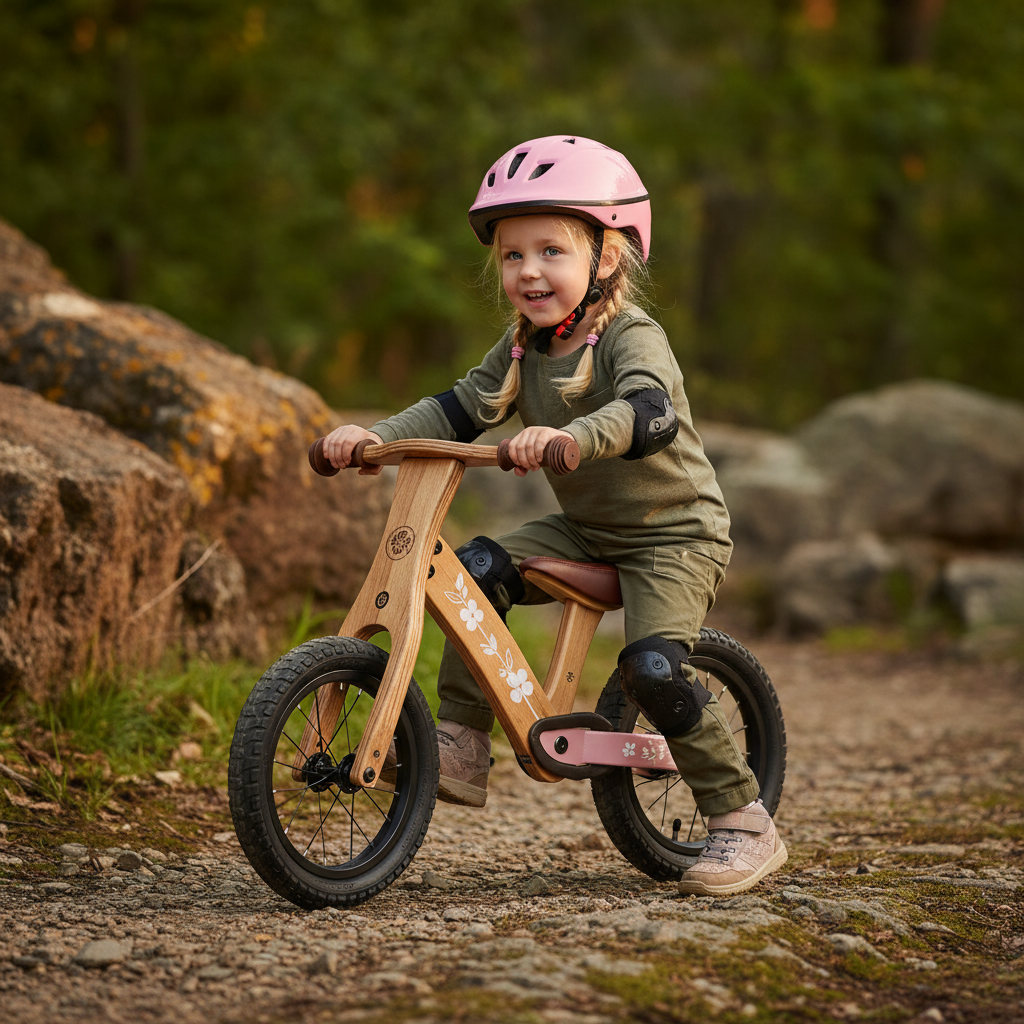
Additionally, the transition from training wheels to two wheels is a hurdle. Incorporating balance-training techniques before moving to a fully geared 20-inch bike can reduce anxiety and prevent the development of bad habits, ensuring a smoother transition to advanced cycling.
Comparative Analysis of 20-Inch Bike Sizing and Fit Standards
|
Fit Dimension
|
Ideal Range (20")
|
Risk of Poor Fit
|
Professional Solution
|
| Stand-over Height |
1-2 inches gap |
Instability/Injury |
Low-step frames |
| Brake Lever Reach |
Max 7-9 cm |
Delayed Stopping |
Adjustable levers |
| Seat Altitude |
Slight knee bend |
Joint Strain |
Quick-release posts |
| Handlebar Width |
Shoulder width |
Poor Steering |
Trim-to-fit bars |
| Total Weight |
Under 11 kg |
Fatigue/Lack of Control |
Aluminum alloy frames |
| Pedal Reach |
Full foot contact |
Slippage |
High-grip composite pedals |
FAQS
Typically, 20-inch bikes are designed for children aged 6 to 9 years old, or those between 45 and 55 inches in height. However, since children grow at different rates, the best way to determine fit is by checking the stand-over height and ensuring the child can comfortably reach the brake levers and pedals without stretching excessively.
For absolute beginners, a single-speed bike is recommended to reduce complexity and allow them to focus on balance. For children who are already comfortable riding, a bike with 3 to 7 gears is better, as it allows them to tackle hills and varying terrains more efficiently, preparing them for full-sized adult bicycles.
Coaster brakes (pedaling backward to stop) are intuitive for very young children. However, hand brakes are essential for developing proper cycling technique and offer more precise stopping power. Many premium 20-inch bikes include both, allowing the child to transition from coaster brakes to hand brakes at their own pace.
If your child cannot touch the ground with their tiptoes while sitting on the saddle, or if they struggle to reach the brake levers without letting go of the handlebar, the bike is too large. A bike that is too big can lead to a loss of confidence and an increased risk of accidents during emergency stops.
Aluminum frames are significantly lighter, making the bike easier for a child to maneuver and pedal. Steel frames are generally more durable and can withstand more heavy-duty abuse, but they are heavier. For most children, the lightness of aluminum is a major advantage in building confidence and speed.
A basic safety check should be performed monthly, focusing on tire pressure and brake tension. A full professional tune-up is recommended once a year or after heavy use (such as a summer of daily riding). Ensuring the chain is lubricated and bolts are tightened prevents premature wear and keeps the ride safe.
Conclusion
Selecting the right kids bikes 20 inch is a pivotal decision that impacts a child's physical development, safety, and relationship with outdoor activity. By focusing on technical standards—such as ergonomic brake reach, frame weight, and proper stand-over height—parents can provide a tool that fosters independence rather than frustration. The shift toward sustainable materials and modular designs ensures that these bicycles provide long-term value for both the family and the environment.
As we look toward the future of juvenile mobility, the integration of smarter materials and safety technologies will only make cycling more accessible. We encourage parents to prioritize quality over convenience, investing in bikes that are built to last and easy to maintain. For those seeking the perfect blend of safety, durability, and style for their child, we invite you to explore our professional range. Visit our website: www.gorgeousbike.com