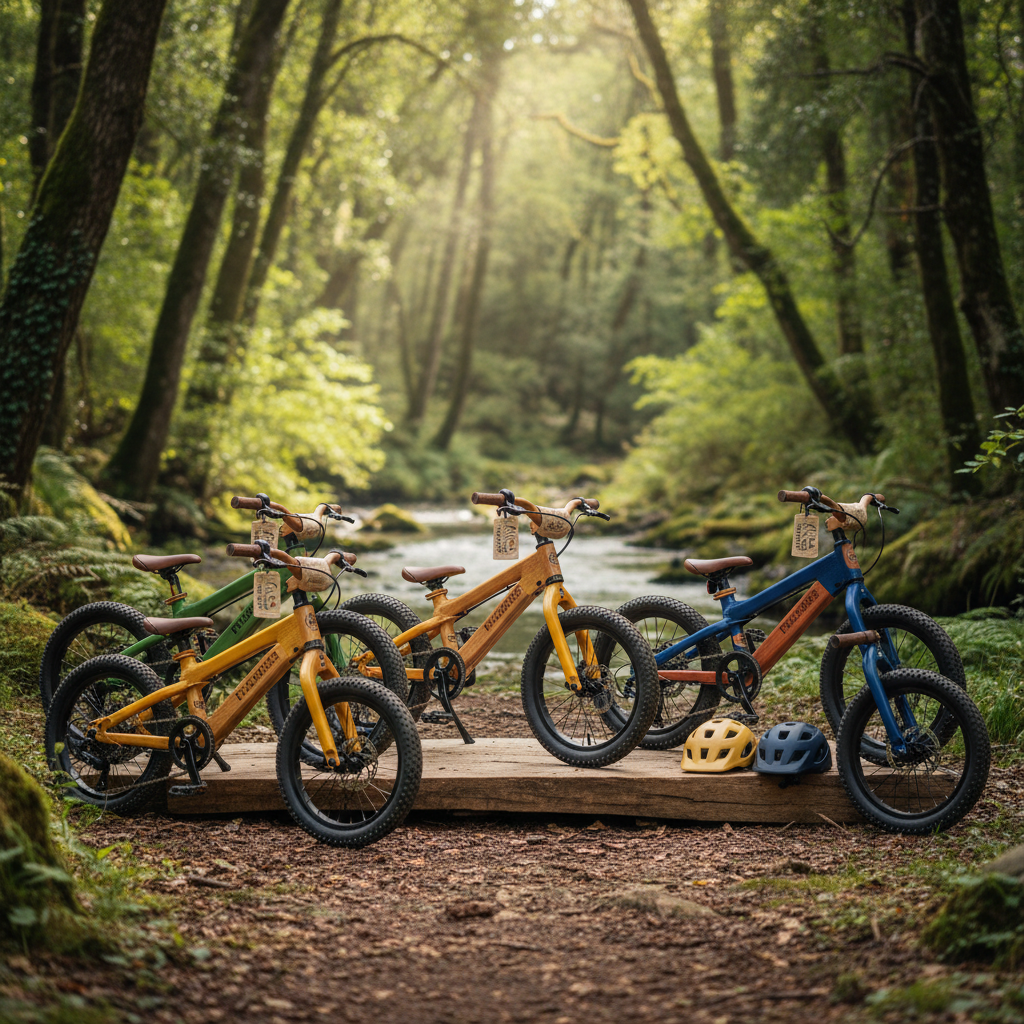
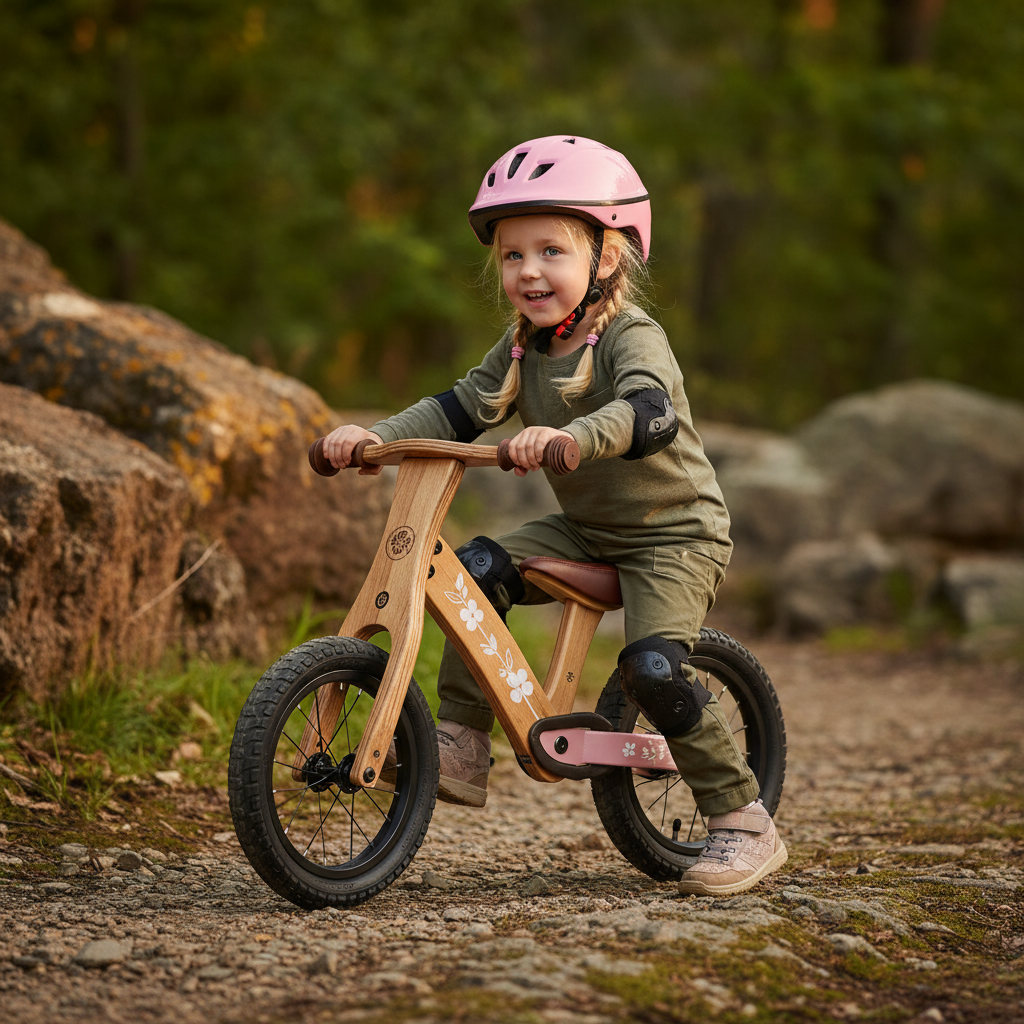
Selecting the ideal bike for kids 9 years old is more than just a purchase; it is an investment in a child's physical health, independence, and cognitive development. At age nine, children are often in a transitional growth phase, moving from smaller youth frames to more sophisticated machinery that mirrors adult bicycles. This transition requires a careful balance of ergonomics, safety, and durability to ensure the rider remains confident and comfortable.
Globally, the shift toward sustainable urban mobility has placed a renewed emphasis on youth cycling. According to industry trends and health guidelines, active transport for children reduces sedentary behavior and promotes cardiovascular health. However, the challenge for many parents lies in navigating the technical specifications—such as wheel size, gear ratios, and frame geometry—that distinguish a generic toy from a high-performance bike for kids 9 years.
By understanding the intersection of manufacturing standards and childhood ergonomics, parents and educators can empower children to explore their environment safely. Whether it is for commuting to school or weekend adventures, the right bicycle serves as a tool for discovery. This guide delves into the technical nuances and practical considerations necessary to choose a vehicle that grows with the child while maintaining the highest safety standards.
Essential Sizing and Geometry for 9-Year-Olds
The most critical factor when choosing a bike for kids 9 years is the frame geometry. At this age, children typically vary significantly in height, making wheel size the primary point of contention. Generally, 24-inch wheels are the industry standard for this age group, providing a stable wheelbase that allows for better balance while remaining maneuverable enough for shorter riders.
Beyond wheel size, the stand-over height—the distance from the ground to the top tube—must be sufficient to allow the child to stop and stand comfortably. A geometry that is too aggressive can lead to instability, whereas a frame that is too large can cause premature fatigue and a loss of confidence. Ensuring a proper fit is the first step toward a lifelong love of cycling.
Material Science: Aluminum vs. Steel Frames
When evaluating a bike for kids 9 years, the chassis material determines the bike's longevity and ease of use. Aluminum alloys are highly favored in modern manufacturing because they are lightweight and resistant to corrosion. For a nine-year-old, a lighter bike means less effort is required to accelerate and climb hills, which significantly reduces the physical barrier to riding.
Conversely, steel frames offer a different set of advantages, primarily durability and a natural "flex" that absorbs road vibrations. While heavier than aluminum, steel is often more resilient to the rough handling typical of children. However, the added weight can make the bike feel cumbersome, potentially hindering the child's ability to handle the machine during quick maneuvers.
The choice ultimately depends on the intended use. For urban commuting and paved paths, an aluminum frame provides the efficiency and agility required. For those venturing into more rugged terrain or utilizing the bike as a primary transport tool in varied climates, the robust nature of a high-grade steel frame may offer a more sustainable long-term value.
Braking Systems and Safety Mechanisms
Safety is paramount when designing a bike for kids 9 years. At this developmental stage, children are increasing their speeds and exploring more complex environments, making reliable stopping power essential. Most entry-level models utilize V-brakes or caliper brakes, which are lightweight and easy to maintain.
For advanced riders or those in wet climates, mechanical disc brakes on a bike for kids 9 years offer superior modulation and consistent performance. Disc brakes ensure that the braking surface remains separate from the wheel rim, preventing performance degradation caused by mud or water, thus providing a higher safety margin.
Furthermore, the leverage of the brake levers must be calibrated to the smaller hand size of a nine-year-old. Short-reach levers ensure that the child can apply full braking force without straining their fingers, reducing the risk of accidents caused by inadequate grip or insufficient braking pressure during emergency stops.
Performance Metrics and Component Efficiency
The drivetrain of a bike for kids 9 years acts as the engine of the ride. Transitioning from a single-speed to a multi-gear system is a significant milestone for a child, allowing them to tackle inclines and maintain speed on flats. A simple 7-speed derailleur is often sufficient, providing a range of gears that are easy to understand and operate.
Efficiency in the drivetrain is not just about the number of gears, but the quality of the chain and the precision of the shifting. High-quality components reduce friction and prevent the chain from slipping, which is crucial for maintaining the rider's momentum and preventing frustrating mechanical failures during an excursion.
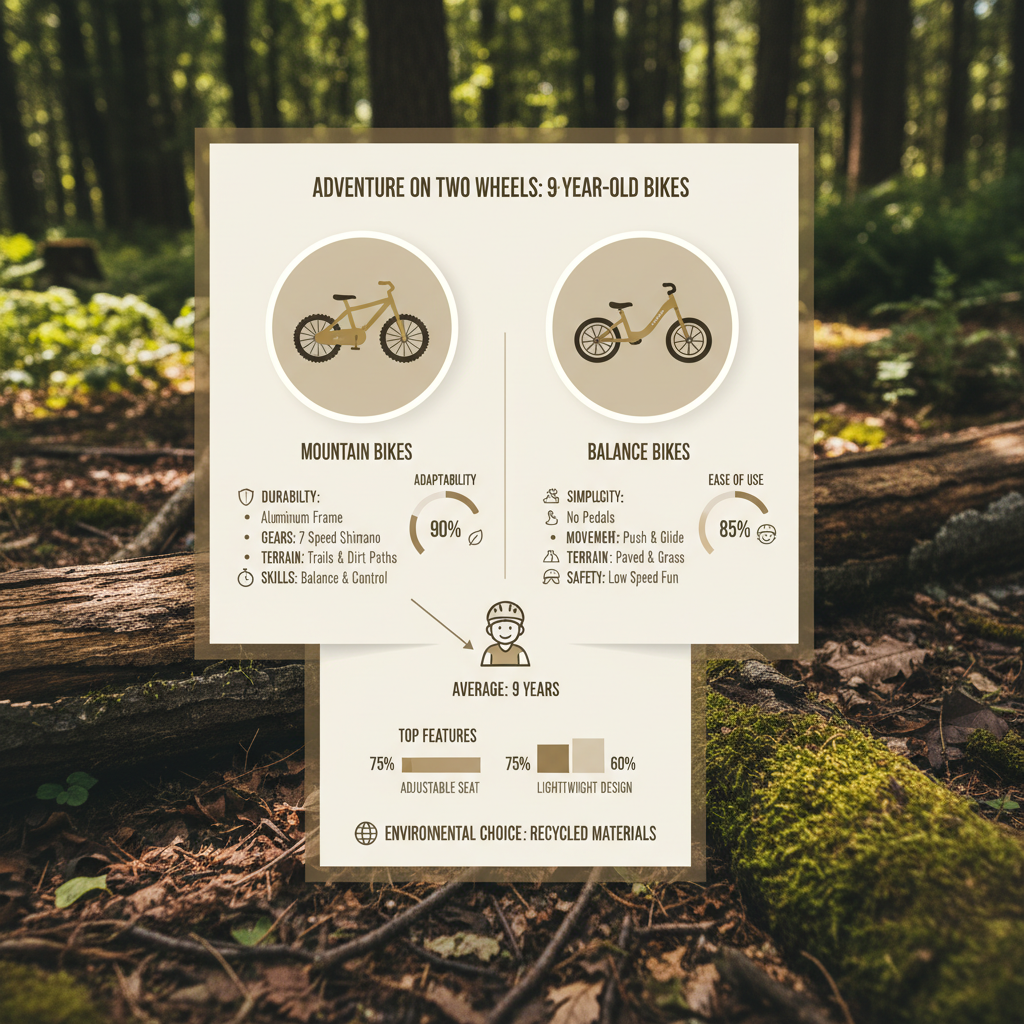
Comparison of Component Ratings for Bike for Kids 9 Years
Terrain Adaptability and Tire Selection
The versatility of a bike for kids 9 years is largely determined by its tires. For urban environments, slicker tires with minimal tread reduce rolling resistance, allowing the child to glide efficiently over asphalt. These tires are typically narrower and optimized for speed and stability on flat surfaces.
In contrast, for children who enjoy off-road trails or gravel paths, knobby tires are essential. These provide the necessary traction and grip to prevent sliding on loose soil or wet grass. The thicker rubber walls of all-terrain tires also offer an added layer of protection against punctures, ensuring that a ride doesn't end abruptly due to a thorn or a sharp rock.
Ergonomics and Rider Comfort Optimization
Comfort is a key driver of how often a child will actually use their bike for kids 9 years. The saddle, or seat, should be contoured to support the pelvic region without causing excessive pressure. Adjustable seat posts are mandatory, allowing the bike to grow with the child over a two-to-three-year period, extending the product's lifespan.
Handlebar ergonomics are equally important. Wide, slightly swept-back bars provide a more natural wrist position and better leverage for steering. Grips should be made of non-slip, soft-touch rubber to prevent hand fatigue and ensure the rider maintains a firm hold even when their hands are sweaty or raining.
Finally, the pedal design should prioritize grip. Wide platforms with integrated reflectors not only provide a secure footing for the child's foot but also increase visibility to motorists. When these ergonomic elements align, the bicycle becomes an extension of the child, rather than a cumbersome machine they struggle to operate.
Long-term Maintenance and Sustainability
Owning a bike for kids 9 years introduces a great opportunity to teach children about responsibility and mechanical maintenance. Simple tasks, such as lubricating the chain and checking tire pressure, not only extend the life of the bike but also instill a sense of ownership and technical curiosity in the young rider.
From a sustainability perspective, investing in a high-quality frame that can be upgraded is far superior to purchasing cheap, disposable models. By replacing worn-out tires or upgrading the saddle, a premium bicycle can be passed down to younger siblings, reducing the environmental impact associated with manufacturing and waste.
The long-term value of a well-maintained bicycle is reflected in its resale value and its ability to remain safe over years of use. Implementing a regular maintenance schedule—checking brake pad wear and tightening bolts—ensures that the bike for kids 9 years remains a reliable companion for the child's growth.
Analysis of Maintenance Requirements for Youth Bicycles
| Component |
Check Frequency |
Action Required |
Impact Score (1-10) |
| Drivetrain/Chain |
Monthly |
Degreasing and Lubrication |
9 |
| Brake Pads |
Quarterly |
Inspect wear and adjust tension |
10 |
| Tire Pressure |
Weekly |
Inflate to recommended PSI |
8 |
| Frame Bolts |
Bi-Annually |
Tighten all structural fasteners |
7 |
| Wheel Truing |
Yearly |
Check for rim wobbles/alignment |
6 |
| Saddle Height |
Monthly |
Adjust for child's growth |
9 |
FAQS
For most 9-year-olds, 24-inch wheels are the most appropriate choice. This size provides a balance between stability and maneuverability, fitting the average height of children in this age group. However, since children grow at different rates, it is always recommended to check the stand-over height to ensure the child can touch the ground comfortably.
At age nine, most children have the coordination to handle a gear system. A bike with gears is highly recommended as it allows them to tackle hills and varying terrains with less effort, making the experience more enjoyable and less physically taxing. A simple 7-speed system is usually the perfect introduction to shifting.
While not strictly necessary for casual neighborhood riding, disc brakes are a significant upgrade. They provide more consistent stopping power in wet or muddy conditions and generally require less hand strength to activate than traditional rim brakes, making them a safer choice for adventurous riders.
A frame is too big if the child cannot comfortably stand over the top tube with both feet flat on the ground. Additionally, if they have to overstretch their arms to reach the handlebars or cannot easily reach the brake levers, the bike is too large, which can compromise safety and control.
Aluminum is generally better for most children because it is much lighter, making the bike easier to pedal and handle. Steel is more durable and can absorb more shock, but the extra weight can be discouraging for a younger rider. For a balance of performance and ease, aluminum is the industry favorite.
A basic safety check should be performed weekly (tires and brakes). A more thorough service, including chain lubrication and bolt tightening, should happen monthly. A professional tune-up is recommended once a year to ensure all components are wearing evenly and the bike remains safe for the rider.
Conclusion
Choosing the right bike for kids 9 years involves a meticulous blend of sizing, material selection, and safety considerations. By focusing on ergonomic geometry, reliable braking systems, and a lightweight frame, parents can ensure their child has a safe and exhilarating riding experience. The transition to a 24-inch wheel bike marks a significant step toward independence, promoting physical health and an appreciation for sustainable transport.
As we look toward the future, the integration of more sustainable materials and smarter design will continue to make youth bicycles more accessible and durable. We encourage parents to prioritize quality over cost, as a well-built bicycle not only lasts longer but also fosters a deeper connection between the child and the outdoors. For the best selection of high-quality youth bikes and accessories, visit our website: www.gorgeousbike.com.