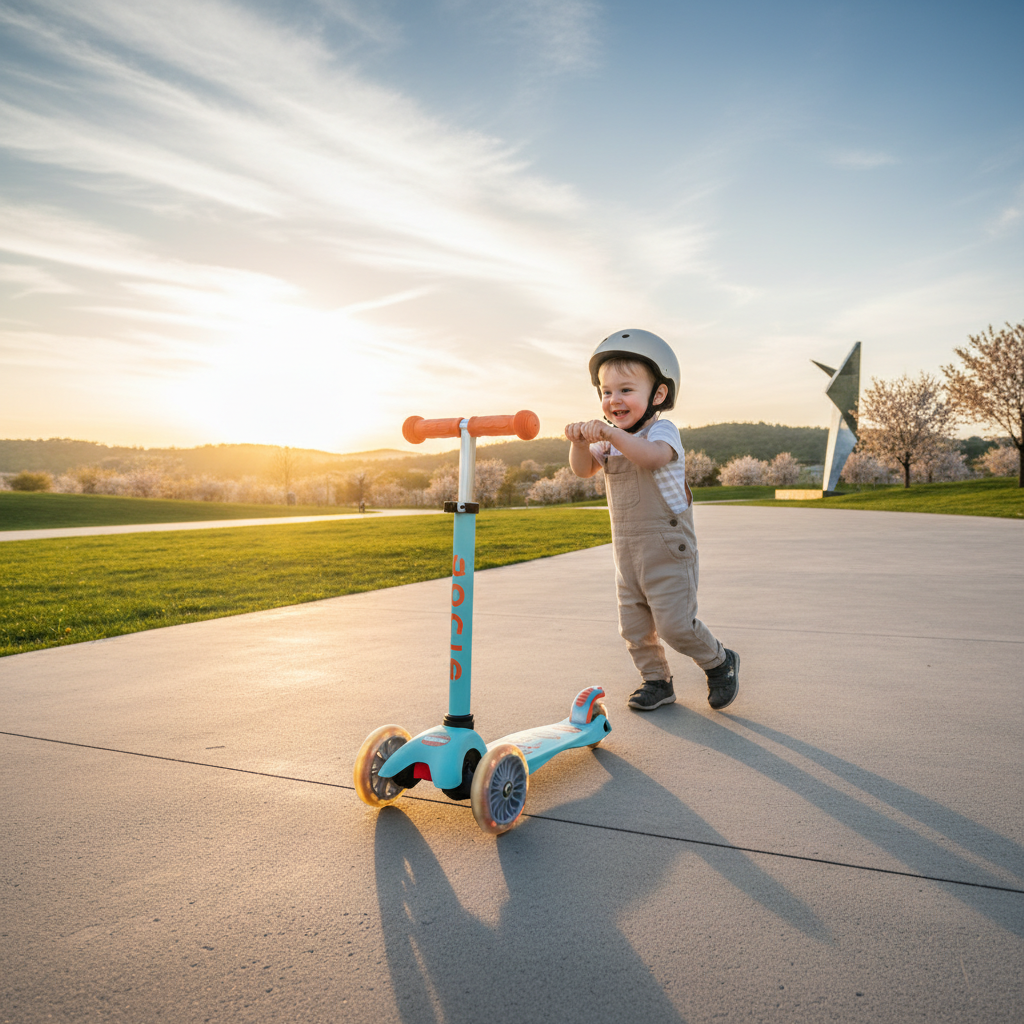
Children walkers are becoming increasingly important tools for fostering early childhood development globally. These devices, ranging from simple stationary activity centers to mobile walkers, provide a safe and stimulating environment for babies learning to explore their world. As populations grow and awareness of early developmental needs increases, the demand for safe, effective, and accessible children walkers continues to rise. Understanding the design, safety standards, and best practices associated with children walkers is paramount for parents, caregivers, and manufacturers alike.
The global children walker market is influenced by factors like birth rates, disposable income, and parental awareness regarding child development. According to recent data, the market is projected to experience steady growth in the coming years, particularly in emerging economies. However, concerns surrounding safety and potential developmental impacts require rigorous testing and adherence to international standards, such as those set by ISO and ASTM. This underscores the need for innovation in design and materials to create children walkers that are both engaging and secure for young children.
Addressing challenges such as ensuring accessibility for diverse families and promoting responsible use are crucial for maximizing the benefits of children walkers. Proper guidance and education for parents are essential, emphasizing the importance of supervised use and age-appropriateness. By prioritizing safety, development, and inclusivity, we can ensure that children walkers contribute positively to the well-being of infants and toddlers worldwide.
Introduction to Children Walkers
Children walkers are designed to aid in the crucial developmental stage where infants begin to explore mobility. They offer a supported environment for practicing leg strength and coordination, contributing to gross motor skill development. However, responsible use and proper selection are critical, focusing on stability, safety features, and age-appropriateness.
The evolution of the children walker reflects an ongoing commitment to safety and innovation. Modern walkers often incorporate interactive elements, such as toys and sound effects, to stimulate cognitive development alongside physical activity. It's important for parents to consider these factors when choosing a children walker that best suits their child's needs.
Defining Children Walkers
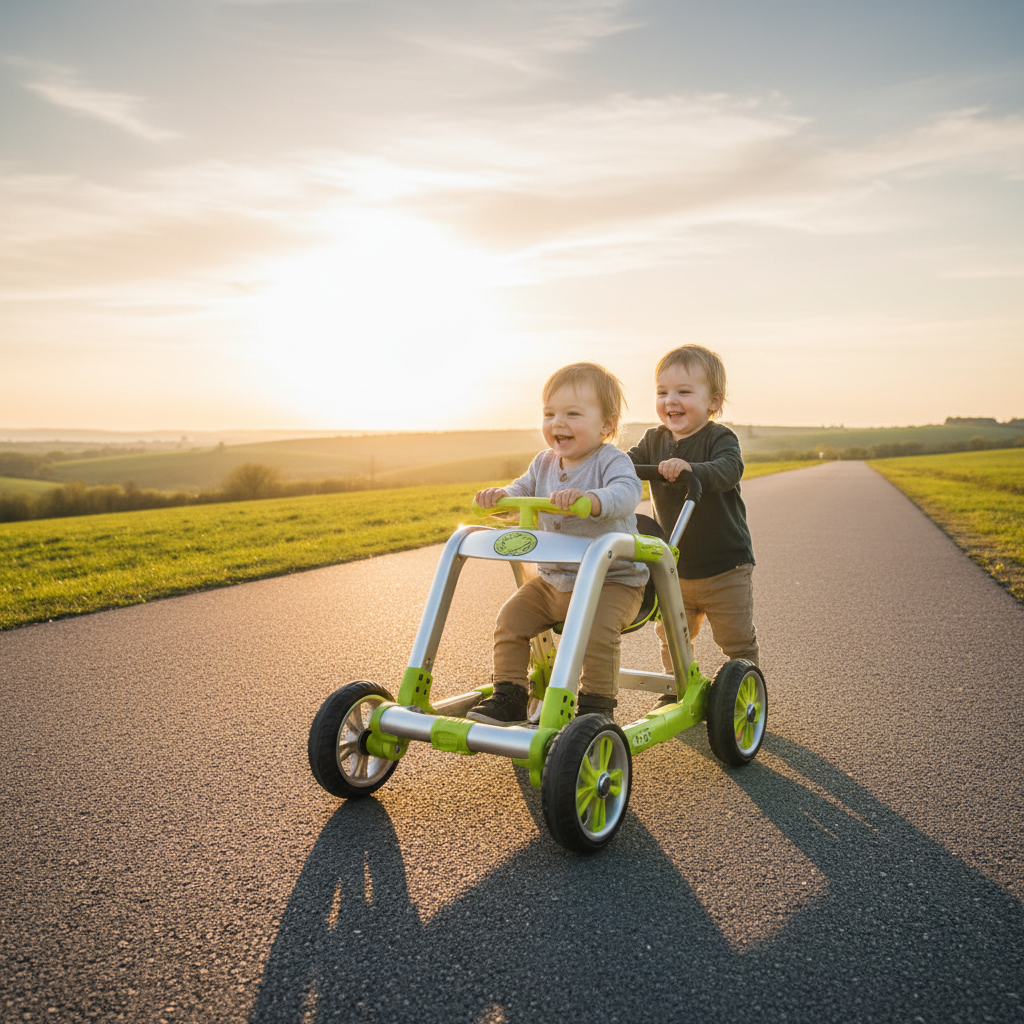
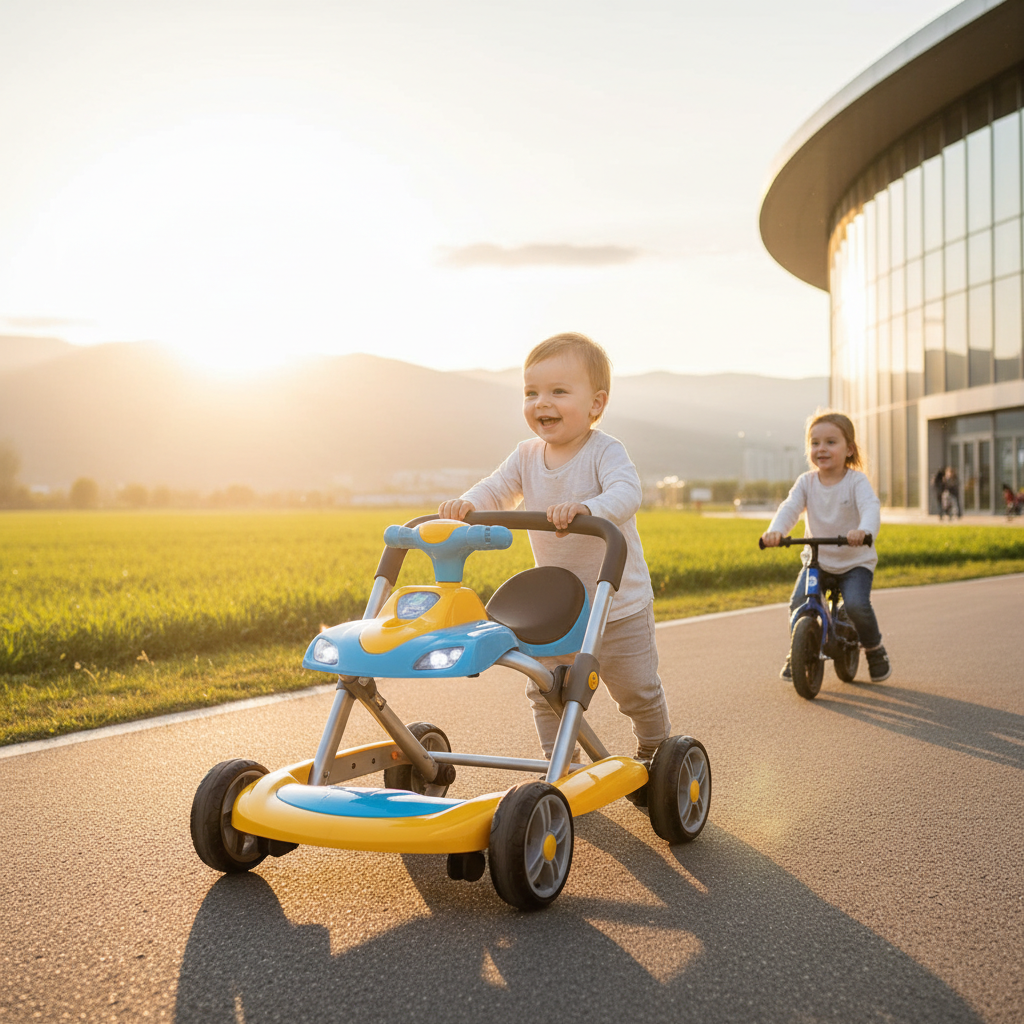
A children walker, in its simplest form, is a supportive device designed to assist infants who are not yet able to walk independently. It provides a stable base, allowing babies to practice standing and moving around, fostering leg muscle development and coordination. Walkers come in various designs, including stationary activity centers and mobile walkers with wheels.
The connection to modern industry and humanitarian needs lies in the constant pursuit of improved safety and accessibility. Manufacturers are continually refining designs to meet evolving safety standards and address concerns about potential developmental impacts. In humanitarian contexts, providing access to safe and developmentally appropriate children walkers can contribute to early childhood wellbeing in challenging environments.
Understanding the nuances of different walker types—from basic stationary models to more complex, interactive options—is crucial for parents and caregivers. The choice of a children walker should always prioritize safety, age-appropriateness, and the individual developmental needs of the child.
Core Components of Children Walkers
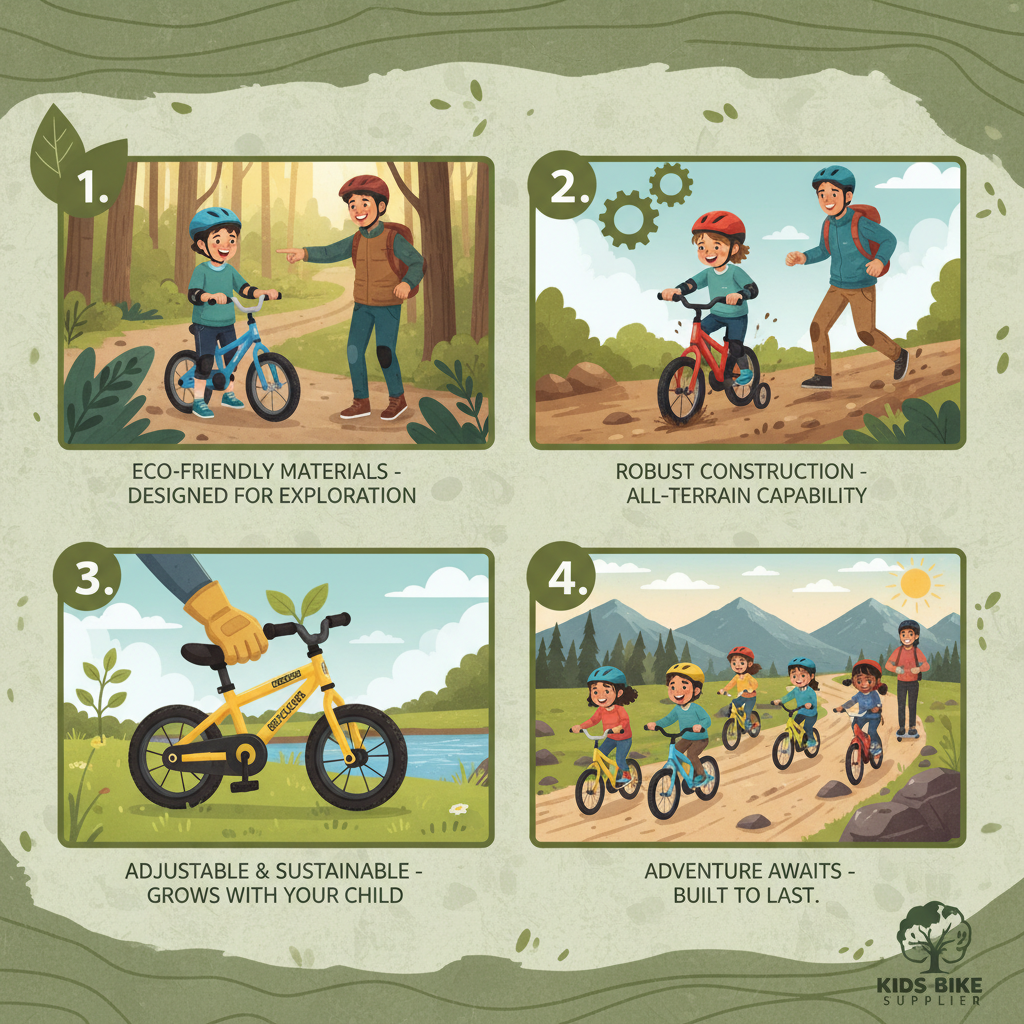
Durability is a paramount factor in children walker design. Walkers need to withstand repeated use and potential impacts, ensuring a long lifespan and continued safety. Materials like high-impact plastics, sturdy metal frames, and robust wheel mechanisms are essential for achieving this durability.
Safety features are non-negotiable. This includes a wide base for stability, a secure frame to prevent tipping, and braking mechanisms to control movement, particularly on uneven surfaces. Compliance with international safety standards (ASTM, ISO) is vital, as is the inclusion of features like non-toxic materials and pinch-point protection.
Adjustability allows the walker to grow with the child. Height-adjustable seats and activity trays ensure optimal positioning and comfort as the baby develops. This adaptability increases the walker's usability and prolongs its value.
Global Applications of Children Walkers
Children walkers are utilized globally in a variety of settings. In developed countries, they are a common household item, supporting early motor skill development in infants. Retail availability is widespread, with diverse models catering to different budgets and preferences.
In developing nations, access to children walkers can be more limited. However, their potential benefits for fostering early development are recognized, particularly in areas where access to quality childcare is restricted. Organizations often include walkers in aid packages aimed at supporting families and promoting child wellbeing.
In post-disaster relief operations, providing children walkers, alongside other essential supplies, can contribute to the psychological and physical recovery of affected families. Creating a sense of normalcy and providing opportunities for infants to engage in healthy development are critical aspects of disaster relief.
Children Walker Feature Ratings
Advantages and Long-Term Value
The primary advantage of children walkers is the promotion of early motor skill development. Providing a supported environment for practicing standing and walking helps infants build leg strength, improve coordination, and gain confidence. This contributes to overall physical development and prepares them for independent mobility.
Beyond physical benefits, children walkers can also foster cognitive development. Interactive features, such as toys and sound effects, stimulate the senses and encourage exploration, contributing to cognitive growth and problem-solving skills. The sense of independence and accomplishment they provide also contributes to emotional wellbeing.
Future Trends in Children Walker Design
A significant trend is the integration of smart technology. Future walkers may incorporate sensors to monitor a child’s movements, provide feedback on posture, and even offer personalized activity recommendations. These features could enhance developmental support and ensure safe usage.
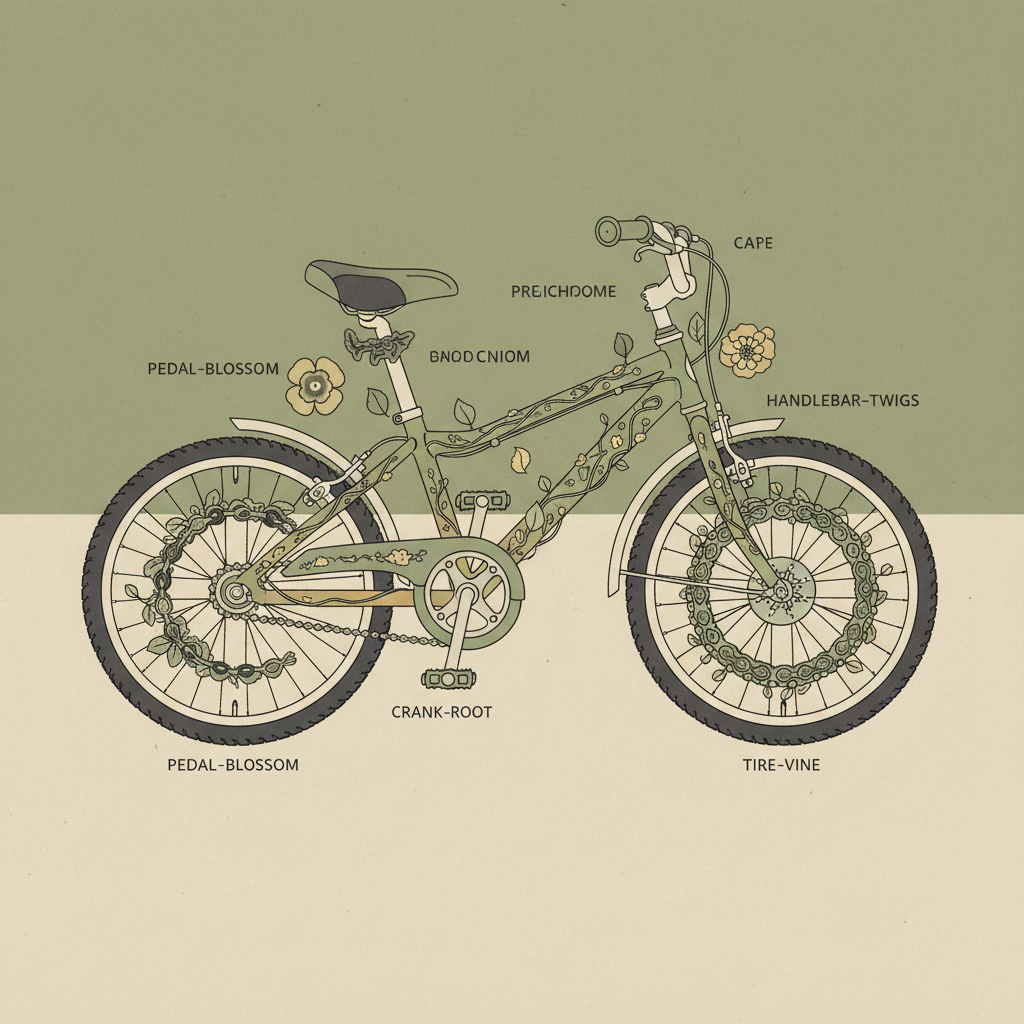
Sustainable materials and eco-friendly manufacturing processes are becoming increasingly important. Manufacturers are exploring the use of recycled plastics, bio-based materials, and energy-efficient production methods to reduce the environmental impact of children walkers.
We can expect to see a greater focus on customizable and modular designs. Walkers that can be easily adapted to a child’s evolving needs and preferences will offer greater value and longevity. This adaptability will also appeal to families with multiple children.
Challenges and Innovative Solutions
One key challenge is addressing safety concerns related to walker-related injuries. Falls, collisions, and access to hazardous objects are potential risks. Innovative solutions include improved braking systems, enhanced stability features, and built-in safety sensors.
Another challenge is ensuring equitable access to quality children walkers. Cost can be a barrier for some families, limiting their ability to provide their infants with these developmental tools. Innovative financing models, subsidized programs, and affordable design options can help address this disparity.
Addressing concerns about potential developmental delays associated with walker use requires ongoing research and the development of evidence-based guidelines for parents and caregivers. Promoting responsible use – supervised, limited duration, and age-appropriateness – is crucial.
Summary of Children Walker Challenges and Potential Solutions
| Challenge |
Severity (1-10) |
Potential Solution |
Implementation Cost (1-10) |
| Safety Risks (Falls, Collisions) |
8 |
Improved Braking Systems & Stability |
6 |
| Accessibility (Cost Barriers) |
7 |
Subsidized Programs & Affordable Designs |
5 |
| Developmental Impact Concerns |
6 |
Evidence-Based Usage Guidelines |
3 |
| Material Sustainability |
5 |
Use of Recycled & Bio-Based Materials |
7 |
| Lack of Customization |
4 |
Modular & Adaptable Designs |
8 |
| Information Gap for Parents |
6 |
Educational Resources & Support Networks |
4 |
FAQS
It’s generally recommended to wait until your baby can hold their head steady and sit independently, typically around 6-9 months old. Starting too early can hinder natural motor development. Always consult with your pediatrician to determine the best time for your child. Choosing a walker designed for your baby’s developmental stage is also crucial, and prioritizing stationary activity centers is often advised over mobile walkers due to safety concerns.
While children walkers can offer developmental benefits, safety is a primary concern. Mobile walkers have been linked to increased injury rates. If you choose to use a walker, opt for a stationary activity center and always supervise your baby closely. Ensure the walker is used on a level surface, away from stairs, and that pinch points are protected. Regular inspections for wear and tear are also essential.
Always supervise your baby while they’re using a children walker. Place the walker on a level surface away from stairs, pools, or other hazards. Adjust the seat height so your baby's feet are flat on the floor. Limit walker time to short intervals, encouraging floor play to promote natural development. Regularly inspect the walker for any loose parts or damage.
Stationary activity centers are generally considered safer than mobile walkers as they don’t allow the baby to move around independently, reducing the risk of falls and collisions. They still provide a stimulating environment for exploration and development, offering a variety of toys and activities. Mobile walkers, while providing mobility, can lead to increased injury rates and potentially delay certain developmental milestones.
Regular cleaning is crucial to maintain hygiene. Wipe down the walker with a damp cloth and mild soap. For fabric components, follow the manufacturer’s washing instructions. Regularly inspect the frame and wheels for any signs of wear and tear, tightening any loose screws or bolts. Avoid using harsh chemicals or abrasive cleaners.
Yes, children walkers should meet safety standards set by organizations like ASTM International and ISO. These standards cover aspects such as stability, braking mechanisms, pinch point protection, and material safety. Look for walkers that have been certified to meet these standards, and always read the manufacturer’s instructions carefully before use. Checking for recalls is also advisable.
Conclusion
In conclusion, children walkers offer a potential avenue for fostering early motor skill development and cognitive stimulation. However, their use requires careful consideration of safety, age-appropriateness, and responsible supervision. Prioritizing stationary activity centers, adhering to safety standards, and promoting a balanced play environment are essential for maximizing the benefits while minimizing potential risks.
Looking forward, continued innovation in design, materials, and technology will play a crucial role in creating children walkers that are not only engaging but also safe and sustainable. Empowering parents with education and resources, coupled with ongoing research into the developmental impacts of walker use, will ensure that these devices contribute positively to the wellbeing of infants and toddlers globally. To learn more about safe and effective children walkers, visit our website: www.gorgeousbike.com.