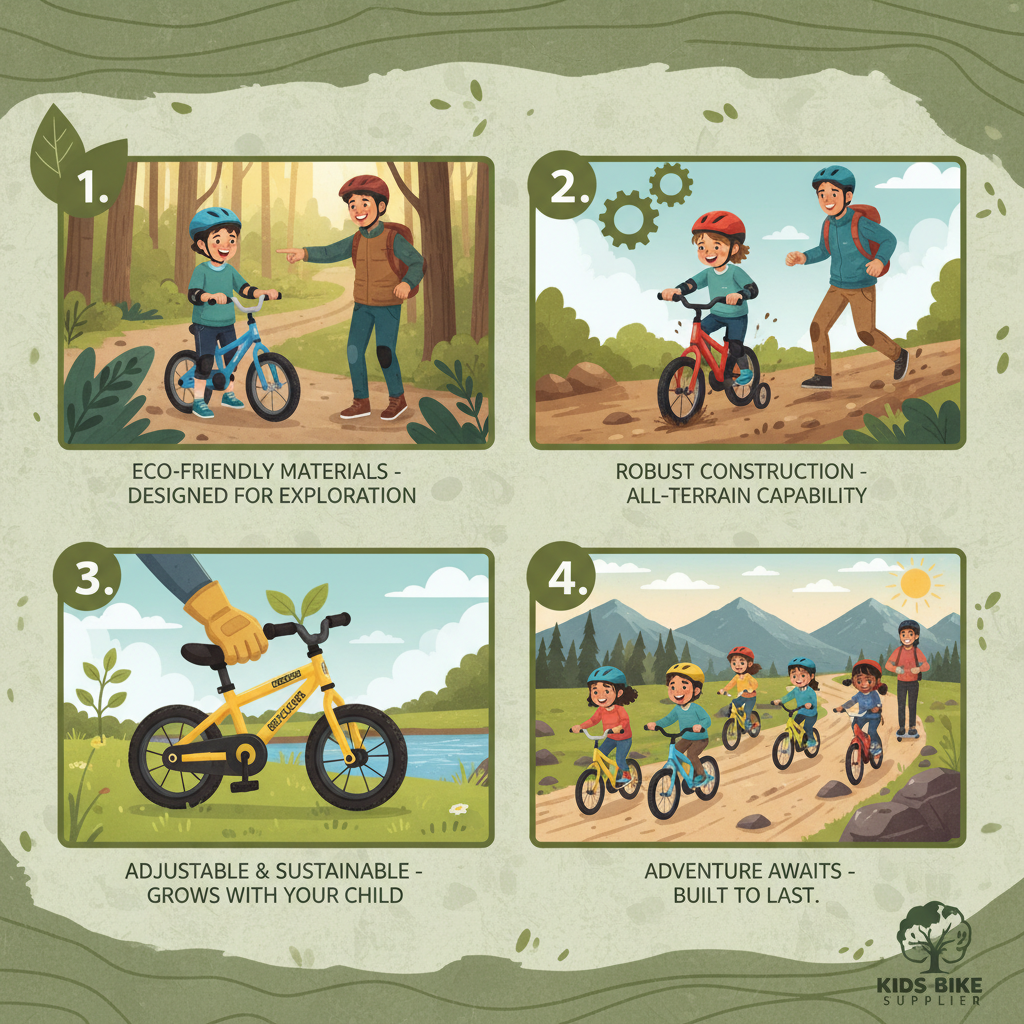
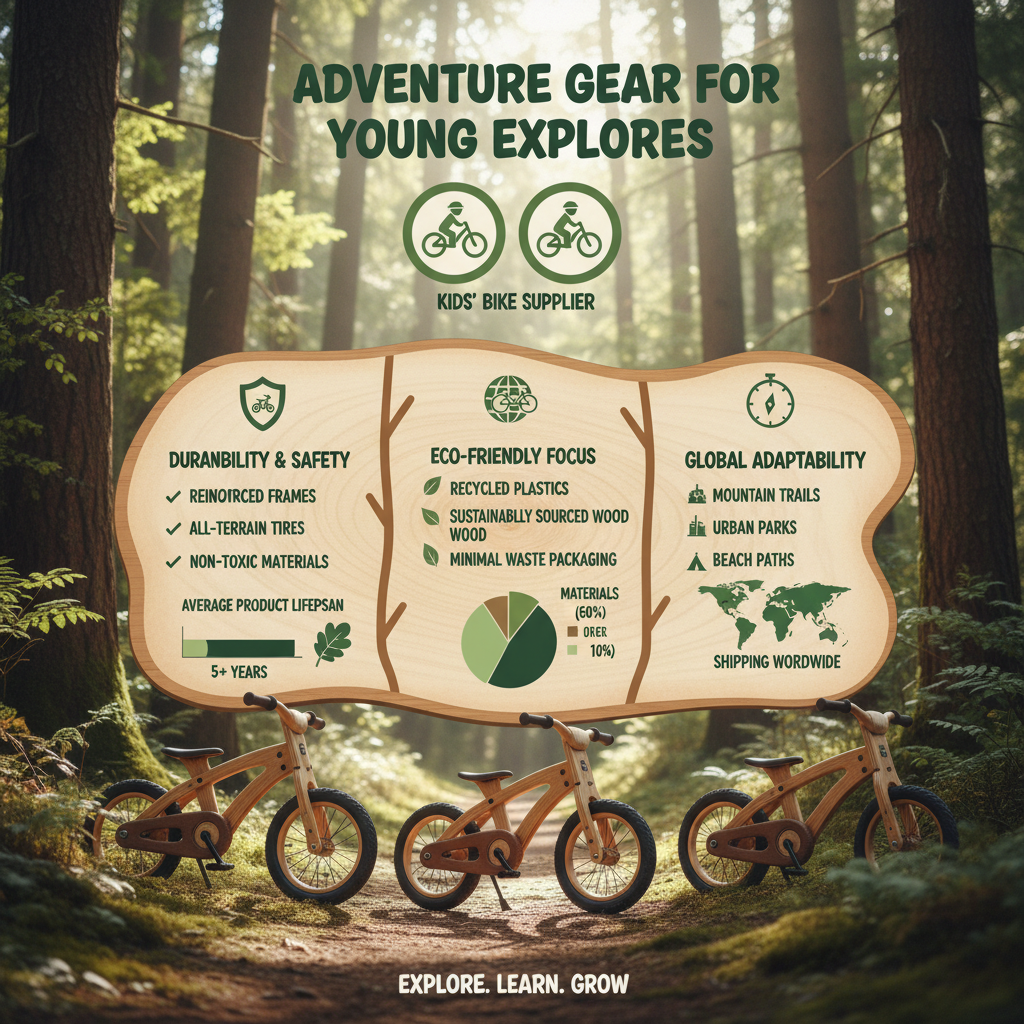
The global market for children’s bicycles is experiencing significant growth, fueled by increasing awareness of health and fitness among young people, as well as a growing demand for sustainable transportation options. As a leading kids bike supplier, we understand the importance of providing safe, reliable, and affordable bikes for children of all ages and abilities. This market isn't just about recreation; it's also tied to childhood development and promoting active lifestyles from a young age.
The role of a reliable kids bike supplier extends beyond simply providing a product. It encompasses quality control, adherence to stringent safety standards (like those set by the ISO), and the ability to efficiently meet the demands of a diverse customer base, from individual retailers to large-scale distributors. According to recent industry reports, the demand for specialized kids' bikes – including balance bikes, mountain bikes, and electric bikes – is increasing rapidly.
Understanding the intricacies of the kids bike supplier landscape is crucial for anyone involved in the cycling industry, from manufacturers and retailers to parents and educators. A quality supplier ensures children have access to safe and enjoyable riding experiences, fostering a lifelong love of cycling and contributing to a healthier future generation.
The Importance of Kids Bike Suppliers
A dependable kids bike supplier forms the cornerstone of a thriving children's cycling ecosystem. They are responsible for not just providing the bikes themselves, but also ensuring consistent quality, adherence to safety regulations, and efficient delivery to retailers and customers. Without a strong supply chain, access to safe and reliable bikes for children would be severely limited.
The significance extends beyond immediate access. Effective kids bike suppliers actively invest in research and development, constantly innovating to improve bike design, materials, and safety features. This commitment translates into better riding experiences and increased peace of mind for parents and guardians.
Defining a Kids Bike Supplier
A kids bike supplier is a company or organization that specializes in the manufacturing, sourcing, and distribution of bicycles specifically designed for children. This includes a wide range of bike types, from balance bikes for toddlers to mountain bikes for older children and teenagers. They often work directly with manufacturers or oversee the entire production process.
These suppliers typically cater to a diverse clientele, including independent bike shops, large retail chains, online retailers, and even schools and organizations that use bikes for educational or recreational purposes. A key aspect of their role is ensuring compliance with international safety standards and regulations.
The modern kids bike supplier plays a crucial role in promoting sustainable transportation and healthy lifestyles, providing children with a safe and enjoyable way to explore the world around them. They are a vital link in connecting manufacturers with the end consumer.
Key Factors for Choosing a Kids Bike Supplier
When selecting a kids bike supplier, several key factors must be considered. Durability is paramount – children's bikes need to withstand the wear and tear of regular use and potentially rough handling. The materials used, the construction quality, and the overall design all contribute to a bike's longevity.
Another critical factor is safety. A reputable kids bike supplier will prioritize safety features like reliable brakes, protective chain guards, and appropriately sized frames. They should also be able to provide documentation proving compliance with relevant safety standards, like EN 14765. Scalability is also important; can the supplier meet your demands as your business grows?
Cost-efficiency is, of course, a consideration, but it should never come at the expense of quality or safety. A good kids bike supplier will offer competitive pricing without compromising on essential features. Finally, consider the supplier's responsiveness, communication, and overall customer service.
Global Applications of Kids Bike Suppliers
The reach of kids bike suppliers is truly global. In North America and Europe, they serve a mature market with high demand for quality and innovation. In developing countries, they play a vital role in providing affordable transportation and promoting physical activity among children.
In regions facing transportation challenges, like rural areas or countries with limited public transport, kids’ bikes provide an essential means of getting to school and accessing other opportunities. Organizations like UNICEF and World Vision often rely on kids bike suppliers to provide bicycles as part of educational and development programs.
Even in disaster relief efforts, bicycles can be a crucial component, providing a means of transportation when infrastructure is damaged. The adaptability of kids bike suppliers allows them to cater to diverse needs and environments worldwide.
Kids Bike Supplier Performance Metrics
Advantages of Partnering with a Reputable Supplier
Choosing a reputable kids bike supplier offers numerous advantages. Firstly, it ensures consistent product quality, reducing the risk of defects and returns. Secondly, it provides access to a wider range of bike models and accessories, catering to diverse customer preferences.
Furthermore, a strong supplier relationship can lead to better pricing and favorable payment terms, improving your bottom line. They can also offer valuable support with product development, marketing, and logistics, helping you grow your business.
Future Trends in the Kids Bike Supply Chain
The kids bike supplier industry is evolving rapidly. Sustainability is becoming increasingly important, with a growing demand for bikes made from recycled materials and produced using eco-friendly manufacturing processes. Digitalization is also playing a key role, with suppliers leveraging data analytics to optimize their supply chains and improve customer service.
We're also seeing a rise in direct-to-consumer (DTC) models, where suppliers sell directly to customers online, bypassing traditional retailers. This allows for greater control over branding and pricing. Finally, the integration of smart technology into bikes, such as GPS tracking and performance monitoring, is opening up new possibilities for innovation.
Expect to see continued innovation in materials, like lightweight alloys and carbon fiber, and increased focus on electric bikes designed for children, providing assisted pedaling and expanding the range of possibilities for young riders.
Challenges and Solutions for Kids Bike Suppliers
Kids bike suppliers face several challenges, including fluctuating raw material costs, supply chain disruptions (as seen during the pandemic), and increasing competition. Maintaining consistent quality control across multiple manufacturing facilities can also be difficult.
Solutions include diversifying sourcing, investing in long-term contracts with suppliers, and implementing robust quality management systems. Embracing digital technologies, like blockchain, can also improve supply chain transparency and traceability.
Furthermore, fostering strong relationships with logistics providers and adopting agile manufacturing techniques can help suppliers respond quickly to changing market demands. Collaboration and information sharing within the industry are also crucial for overcoming shared challenges.
Overview of Kids Bike Supplier Performance Factors
| Supplier Category |
Quality Control Rigor |
Lead Time (Days) |
Price Competitiveness (1-10) |
| Tier 1 - Major Manufacturers |
High - ISO 9001 Certified |
60-90 |
7 |
| Tier 2 - Regional Specialists |
Medium - Consistent Standards |
45-60 |
8 |
| Tier 3 - Small-Scale Producers |
Variable - Dependent on Oversight |
30-45 |
6 |
| Trading Companies |
Dependent on Partner Factories |
75-100 |
5 |
| Direct Factory (Overseas) |
Potentially High - Requires Auditing |
90+ |
9 |
| Domestic Assemblers |
Medium - Focus on Final Inspection |
30-45 |
7 |
FAQS
When choosing a kids bike supplier, prioritize certifications like EN 14765 (European safety standard for bicycles) or similar standards relevant to your target market. ISO 9001 certification indicates a robust quality management system. These certifications demonstrate a commitment to safety, quality, and adherence to industry best practices, assuring you and your customers of a reliable product. Look for suppliers who can readily provide documentation proving their compliance with these standards.
Lead times for kids bike supplier orders can vary significantly based on the supplier's location, production capacity, and the complexity of the order. Generally, expect lead times ranging from 60 to 120 days for large orders, while smaller orders might have shorter lead times (30-60 days). It's crucial to discuss lead times upfront and factor them into your inventory planning. Consider also potential delays due to shipping and customs clearance.
Before committing to a large order, request samples from the kids bike supplier and conduct thorough quality inspections. Check for things like weld integrity, brake function, component quality, and overall finish. Consider hiring a third-party inspection service to assess the supplier's facilities and quality control processes. Building a strong relationship based on clear communication and mutual trust is also key.
Minimum order quantities (MOQs) for kids bike suppliers can vary greatly. Larger manufacturers often have higher MOQs (e.g., several hundred bikes per order), while smaller suppliers may be more flexible. MOQs depend on the specific bike models and your negotiation power. Be prepared to discuss MOQs upfront and explore options for customized orders or smaller initial orders to test the market.
Common payment terms with kids bike suppliers typically include a percentage upfront as a deposit (e.g., 30-50%), with the balance paid upon completion of production or before shipment. Letters of credit (LCs) are also frequently used, especially for large orders or when working with new suppliers. Negotiating favorable payment terms is essential for managing your cash flow effectively.
Staying informed about the latest trends requires consistent effort. Attend industry trade shows like Eurobike and Interbike, subscribe to relevant industry publications, and follow key influencers and bloggers in the cycling space. A proactive kids bike supplier will also keep you informed about new developments and innovations in their product line.
Conclusion
In conclusion, selecting the right kids bike supplier is a critical decision that impacts product quality, safety, cost-effectiveness, and your overall business success. Prioritizing factors like certifications, lead times, MOQs, and a strong commitment to quality control are essential. By carefully evaluating potential partners and building long-term relationships, you can ensure access to reliable and innovative bikes that meet the needs of young riders worldwide.
Looking ahead, the kids bike supplier industry will continue to evolve, driven by sustainability concerns, technological advancements, and changing consumer preferences. Embracing these trends and fostering collaboration throughout the supply chain will be vital for success. We encourage you to explore the possibilities and partner with a supplier who shares your commitment to providing safe, enjoyable, and sustainable cycling experiences for children.