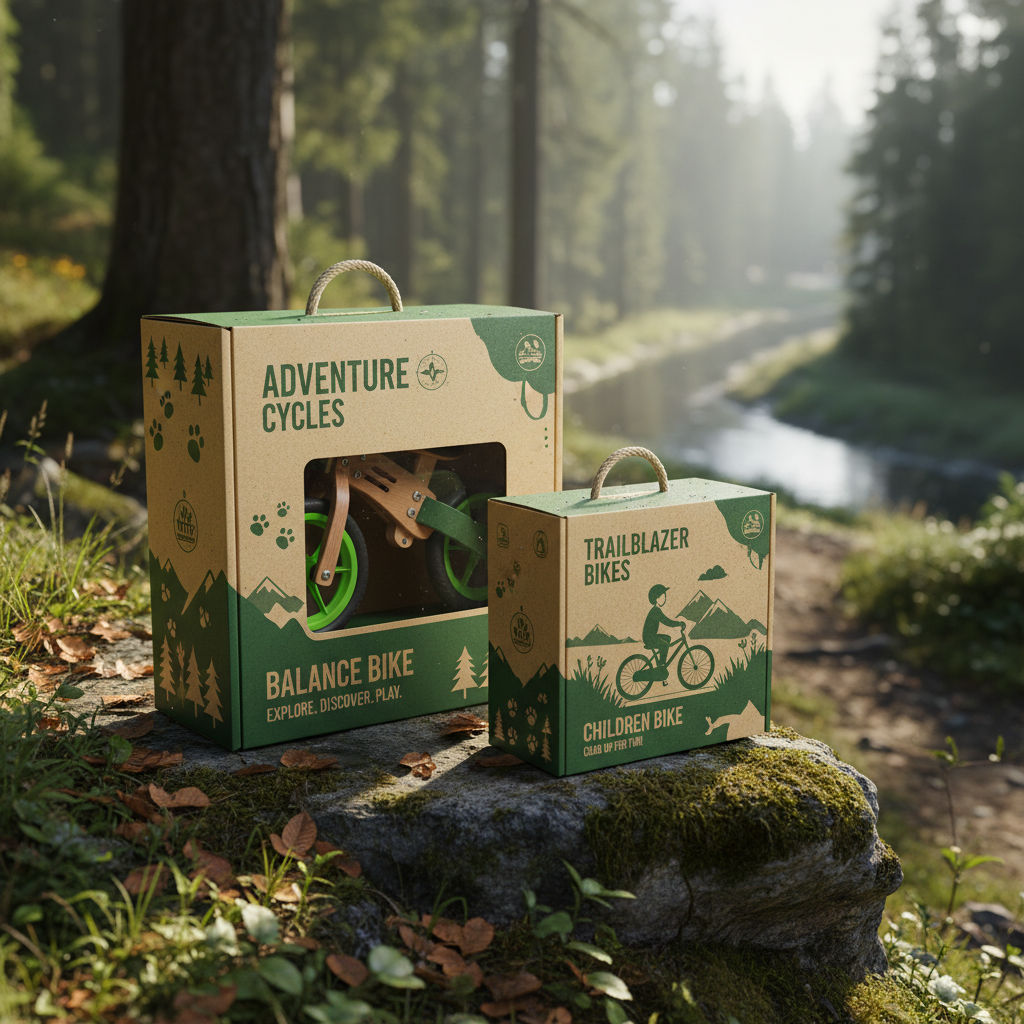
Choosing the right first ride is a pivotal moment in a child's development, blending the excitement of adventure with the necessity of safety. For parents, finding a high-quality bike for baby boy options means balancing structural integrity with ergonomic design to ensure that the transition from walking to cycling is seamless and encouraging.
Modern manufacturing has evolved to address the specific physiological needs of toddlers, focusing on lightweight materials and intuitive braking systems. The goal is to provide a stable platform that builds confidence while adhering to strict international safety standards, ensuring that every ride is a secure experience for the young rider.
Whether you are looking for a balance bike to develop motor skills or a full-featured kids' bike with training wheels, selecting a bike for baby boy requires a keen eye for detail regarding frame material, wheel size, and brake reliability to guarantee long-term durability.
Safety Engineering in Kids' Bikes
Safety is the cornerstone of any premium bike for baby boy, starting with a fully-enclosed bicycle chain. This critical design feature prevents small fingers and clothing from getting caught in the drivetrain, significantly reducing the risk of scratches or more serious injuries during the learning phase.
Beyond the chain guard, the integration of larger training wheels ensures that children can navigate bumps and obstacles with greater stability. This prevents sudden tips and allows the child to find their balance naturally, fostering a sense of independence and security as they explore their environment.
Ergonomic Design for Young Riders
Children's anatomy differs significantly from adults, requiring a specialized approach to ergonomics. A well-designed bike for baby boy prioritizes a low center of gravity and a frame geometry that allows the child to touch the ground easily, which reduces anxiety and increases control during the initial stages of riding.
The saddle is another key focal point, designed to be both comfortable and adjustable. By allowing the seat height to be modified, the bike can grow with the child, ensuring that their legs are at the correct angle to pedal efficiently without straining their joints.
Furthermore, the use of soft silicone coverage on critical contact points protects the child from hard edges. This attention to detail ensures that the physical interaction between the rider and the machine is gentle, minimizing bruising and enhancing the overall comfort of the ride.
Material Science and Durability
The choice of materials directly impacts the longevity and safety of a bike for baby boy. High-tensile steel (Hi-ten Steel) is frequently utilized for its exceptional strength and ability to withstand the rough handling typical of toddlers, providing a rigid and secure frame.
For those seeking a more lightweight option, aerospace-grade aluminum alloy frames offer a superior strength-to-weight ratio. This makes the bike for baby boy much easier to maneuver and transport, while the discreet PU foam accents add a layer of aesthetic refinement and protective cushioning.
Complementing the frame are pneumatic air tires, which provide essential shock absorption on complex terrains. Unlike solid tires, air-filled tires offer a smoother ride by absorbing vibrations from the road, protecting the child's spine and joints from repetitive impact.
Braking Systems and Control Mechanisms
Effective deceleration is critical for safety, which is why a dual-protection braking system is implemented in high-end models. The combination of a front V-brake (caliper brake) and a rear coaster brake provides a redundant safety layer, ensuring the bike for baby boy can stop reliably in various conditions.
The V-brake is praised for its superior stopping power and reliability compared to traditional kids' brakes, while the coaster brake—operated by pedaling backward—is intuitive for children who haven't yet mastered hand-lever coordination.
Braking Performance Comparison for Kids' Bikes
Versatility Across Age Groups
A quality bike for baby boy is designed to accommodate a wide range of growth spurts. With available wheel sizes ranging from 12" to 20", parents can select a model that fits the child's current height while knowing the frame can support them as they transition from age 2 up to 12 years.
The flexibility in sizing is matched by customized color options and OEM branding, allowing the product to fit different market preferences globally while maintaining the same rigorous manufacturing standards in Hebei, China.
Impact on Childhood Development
Beyond transportation, a bike for baby boy serves as a tool for physical and cognitive development. The act of pedaling strengthens the lower body and improves cardiovascular health, while steering helps in developing hand-eye coordination and spatial awareness.
Psychologically, the mastery of a bicycle builds self-esteem. Overcoming the challenge of balancing on two wheels gives children a sense of accomplishment that transcends sports, teaching them persistence and resilience in the face of failure.
Furthermore, cycling encourages outdoor exploration, reducing screen time and connecting children with nature. This active lifestyle is essential for combating sedentary habits and promoting a lifelong love for physical activity.
Technical Specifications and Standards
To ensure global marketability, these bikes are manufactured to meet the EN71 certification, ensuring all materials are non-toxic and the structural design is safe for children. Every bike for baby boy undergoes strict quality control to maintain its "Premium grade" status.
The logistics of these products are optimized for efficiency, often shipped as 85% SKD (Semi-Knocked Down). This method reduces packaging volume and shipping costs while ensuring that the final assembly is straightforward for the end consumer.
From the plastic pedals designed for grip to the steel rims that resist deformation, every component is chosen to balance cost-efficiency with high-performance durability.
Core Technical Comparison of Kids' Bike Configurations
| Wheel Size |
Recommended Age |
Frame Material |
Brake Type |
| 12" |
2-4 Years |
Steel / Alloy |
Caliper/Coaster |
| 14" |
3-6 Years |
Steel / Alloy |
V-Brake/Coaster |
| 16" |
4-8 Years |
Hi-ten Steel |
V-Brake/Caliper |
| 18" |
5-9 Years |
Hi-ten Steel |
V-Brake |
| 20" |
6-12 Years |
Alloy / Steel |
V-Brake |
| Custom |
Variable |
Customized |
OEM Options |
FAQS
For a 3-year-old, typically a 12" or 14" wheel size is ideal. The 14-inch model is specifically recommended for children between 3-6 years old with a height of 2’11” to 3’11”, providing a stable balance and an easy-to-reach saddle for growing toddlers.
The dual protection system uses a V-brake on the front wheel for high reliability and stopping power, and a coaster brake on the rear wheel. The coaster brake is operated by pedaling backward, which is intuitive for young children who may struggle with hand brakes.
We offer both. Standard models use durable Hi-ten steel for maximum strength and stability. For a more portable and lighter experience, we provide aerospace-grade aluminum alloy frames which reduce the overall weight of the bike without sacrificing safety.
Yes, our bikes feature pneumatic air tires made from environmentally friendly materials. These provide excellent shock absorption and durability, making them suitable for complex terrains, parks, and neighborhood sidewalks.
The bikes are shipped 85% SKD, meaning most of the core structure is pre-assembled. You will only need to perform basic assembly for the pedals, handlebars, and saddle, making it a quick process for most parents.
Our kids' bikes are manufactured to meet EN71 certification standards. This ensures that all components, from the plastic pedals to the paint, are safe, non-toxic, and structurally sound for children's use.
Conclusion
Investing in a high-quality bike for baby boy is more than just purchasing a toy; it is an investment in a child's physical health, coordination, and confidence. By prioritizing safety features like enclosed chains and dual-braking systems, and selecting ergonomic materials like aerospace alloy or high-tensile steel, parents can ensure a safe and rewarding introduction to cycling.
As the industry moves toward more sustainable materials and refined ergonomics, the focus remains on creating a product that grows with the child. We encourage parents to consider the height and age of their children to choose the perfect wheel size, ensuring every journey is filled with joy and security. Visit our website: www.gorgeousbike.com