The world of childhood development is deeply intertwined with opportunities for active play, and few toys embody this more effectively than the humble kids tricycle. Providing a foundation for motor skill development, coordination, and simply, fun, the kids tricycle continues to be a staple in households globally. Its enduring popularity stems from its accessibility, safety, and the joy it brings to young children as they experience a sense of independence and movement. Understanding the nuances of kids tricycle design, materials, and safety standards is crucial for parents, educators, and manufacturers alike, ensuring a positive and enriching experience for every child.
Globally, the market for kids tricycle is experiencing steady growth, driven by increasing parental awareness of the benefits of physical activity in early childhood. According to a recent report by the UN, promoting active lifestyles from a young age is vital for combating rising obesity rates and fostering overall well-being. The kids tricycle provides an ideal introduction to cycling, building confidence and laying the groundwork for more advanced biking skills. However, challenges remain in ensuring equitable access to safe and affordable kids tricycle, particularly in developing nations.
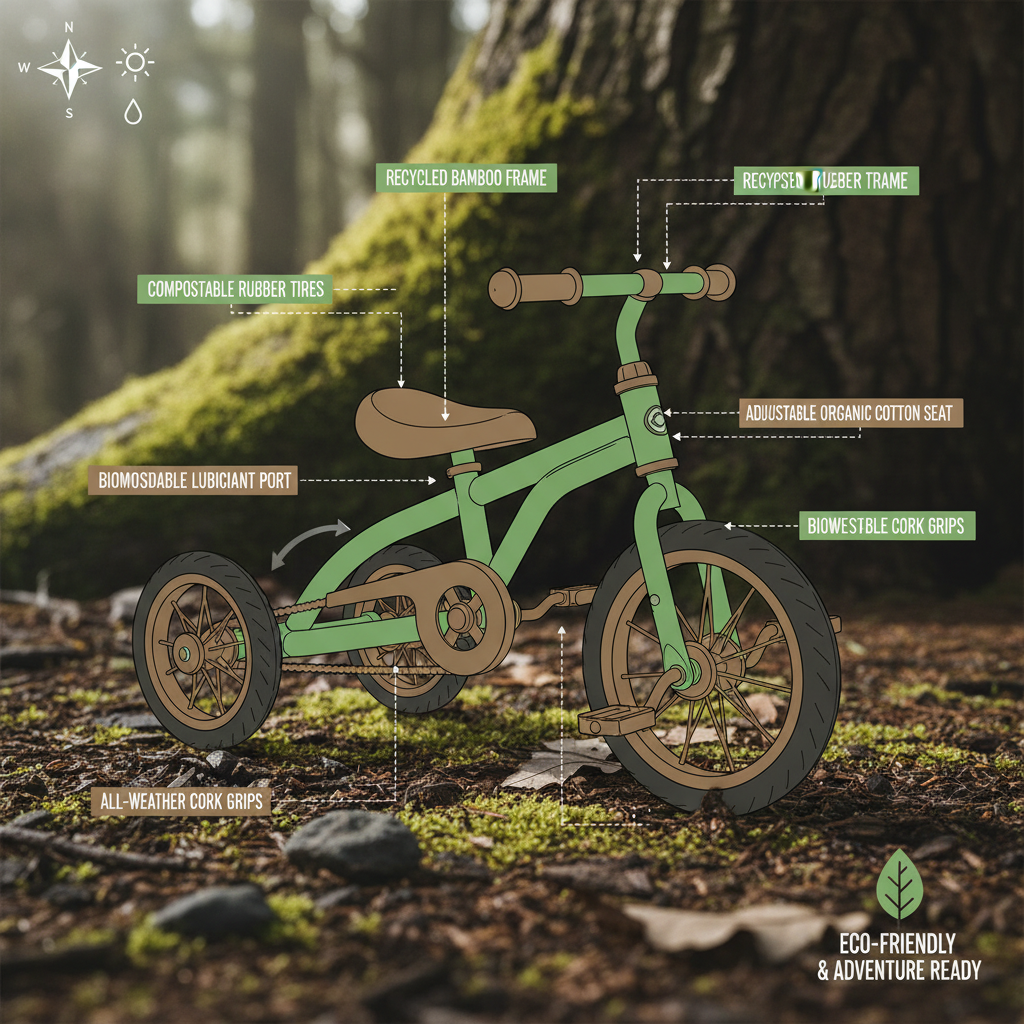
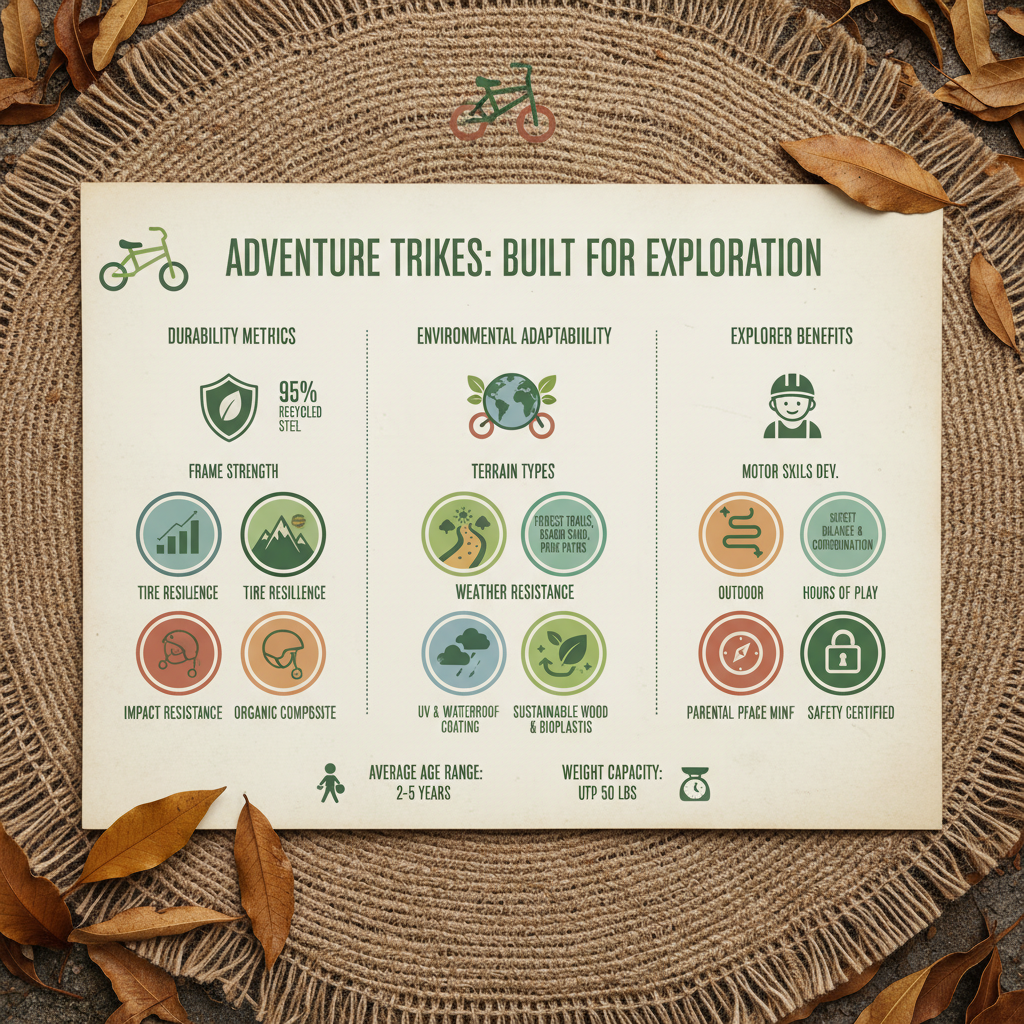
Furthermore, advancements in materials science and manufacturing are leading to more durable, lightweight, and eco-friendly kids tricycle models. This focus on sustainability aligns with broader global efforts to reduce environmental impact and promote responsible consumption, making the modern kids tricycle a blend of tradition and innovation.
The Core Principles of kids tricycle
At the heart of every successful kids tricycle lies a commitment to safety and stability. A wide wheelbase and low center of gravity are essential for preventing tipping, while durable construction ensures the tricycle can withstand the rigors of everyday play. The principles of ergonomic design are also crucial, ensuring the seat, handlebars, and pedals are appropriately sized and positioned for young riders.
Beyond physical design, the core principles extend to material selection. Lightweight yet robust materials like high-grade plastics and aluminum alloys are preferred, making the tricycle easy for children to maneuver while maintaining its structural integrity. Non-toxic paints and finishes are also paramount, prioritizing the health and safety of the young riders.
Defining a kids tricycle
A kids tricycle is a three-wheeled vehicle propelled by the rider’s feet, specifically designed for young children learning to balance and coordinate their movements. Unlike bicycles, tricycles offer inherent stability, making them an ideal first vehicle for toddlers and preschoolers. They are typically characterized by a single front wheel and two rear wheels, providing a wider base of support.
The modern kids tricycle has evolved significantly from its early iterations. Today’s models often incorporate features like adjustable seats, ergonomic handlebars, and durable plastic or metal frames. The connection to modern industry lies in the application of advanced manufacturing techniques and materials science, continually improving the safety, durability, and design of these vehicles.
In terms of humanitarian needs, access to safe and reliable transportation, even in the form of a simple kids tricycle, can significantly improve a child’s quality of life, providing opportunities for play, exploration, and social interaction.
Key Components of a kids tricycle
Durability is a cornerstone of quality kids tricycle construction. The frame, typically made of steel or aluminum, must withstand constant use and potential impacts. The wheels, often featuring rubber tires for traction, need to be puncture-resistant and capable of handling various terrains. A robust drivetrain, including pedals and chains, ensures smooth and efficient power transfer.
Scalability in design refers to the tricycle's ability to adapt to a child's growth. Adjustable seats and handlebars are essential features, allowing the tricycle to accommodate different heights and leg lengths. Some models even offer convertible designs, transforming from a parent-controlled tricycle to a self-propelled one as the child gains confidence and skill.
Cost efficiency is a crucial factor for many parents. A well-designed kids tricycle offers a balance between affordability and quality, providing long-lasting value without breaking the bank. The choice of materials and manufacturing processes significantly impacts cost, and manufacturers often strive to optimize these factors to offer competitive pricing.
Global Applications of kids tricycle
The use of kids tricycle extends far beyond recreational play. In early childhood education settings, they are invaluable tools for developing gross motor skills, coordination, and spatial awareness. Therapists also utilize tricycles in rehabilitation programs for children with physical disabilities, helping them build strength and improve their range of motion.
In post-disaster relief operations, the distribution of kids tricycle can provide a sense of normalcy and joy for children affected by trauma. Simple play activities can help them cope with stress and rebuild a sense of security. Organizations like UNICEF often include play equipment, including tricycles, in their emergency relief packages.
Furthermore, in remote rural communities, where access to other forms of transportation is limited, a kids tricycle can provide children with a means of independent mobility, allowing them to travel to school or visit friends and family. This enhanced mobility can have a significant impact on their educational opportunities and social development.
kids tricycle Methods Comparison
Advantages and Long-Term Value of kids tricycle
The most tangible benefit of a kids tricycle is its contribution to physical development. Riding a tricycle strengthens leg muscles, improves coordination, and encourages an active lifestyle. From a sustainability standpoint, a well-maintained tricycle can be passed down through generations, reducing the need for frequent replacements.
Emotionally, a tricycle fosters a sense of independence and accomplishment in young children. The ability to propel themselves forward instills confidence and encourages exploration. Logically, investing in a quality tricycle provides a safe and reliable means of transportation, reducing the risk of injuries compared to more precarious alternatives.
Future Trends in kids tricycle
The future of kids tricycle is likely to be shaped by advancements in materials science and technology. We can expect to see more lightweight and durable materials, such as carbon fiber and recycled plastics, used in tricycle construction. Electric assist models, providing a gentle boost to pedaling, may become increasingly popular, making cycling more accessible to younger or less physically fit children.
Digital integration is another potential trend. Smart tricycles equipped with sensors and GPS tracking could provide parents with real-time location data and monitor their child’s activity levels. Augmented reality features, projected onto the tricycle’s frame, could enhance the riding experience with interactive games and educational content.
Challenges and Solutions for kids tricycle
One of the primary challenges facing the kids tricycle industry is ensuring affordability and accessibility for all children. High-quality tricycles can be expensive, putting them out of reach for low-income families. Solutions include developing more affordable manufacturing processes and establishing charitable programs to donate tricycles to children in need.
Another challenge is maintaining safety standards. Counterfeit or poorly manufactured tricycles may lack essential safety features, posing a risk to children. Stricter regulations and quality control measures are needed to ensure that all tricycles meet established safety standards. Furthermore, educating parents about the importance of proper helmet use and regular tricycle maintenance is crucial.
Finally, addressing the environmental impact of tricycle production is essential. Using sustainable materials and implementing responsible manufacturing practices can help minimize the industry’s carbon footprint and promote a more circular economy.
Analysis of Key Aspects of kids tricycle Performance
| Material Quality |
Safety Features |
Ergonomic Design |
Overall Durability |
| High-Grade Steel |
Chain Guard, Non-Slip Pedals |
Adjustable Seat & Handlebars |
Rating: 9/10 |
| Aluminum Alloy |
Reflectors, Foot Brakes |
Padded Seat, Ergonomic Grips |
Rating: 8/10 |
| Recycled Plastic |
Low Center of Gravity |
Lightweight Design |
Rating: 7/10 |
| Carbon Fiber |
Advanced Braking System |
Customizable Fit |
Rating: 10/10 |
| Low-Carbon Steel |
Standard Safety Brakes |
Basic Seat Adjustment |
Rating: 6/10 |
| Durable ABS Plastic |
Bright Color Scheme |
Easy-Grip Handlebars |
Rating: 7/10 |
FAQS
Typically, kids tricycle are suitable for children aged 2 to 5 years old. This range allows them to develop the necessary coordination and strength to pedal and steer effectively. However, the ideal age can vary depending on the child’s individual development and the tricycle’s adjustable features. It's always best to choose a model that allows for customization to ensure a comfortable and safe fit.
Safety is paramount. Always ensure your child wears a properly fitted helmet when riding a kids tricycle. Supervise young children closely, especially in areas with traffic or potential hazards. Check the tricycle regularly for any loose parts or damage, and teach your child basic safety rules, such as looking both ways before crossing and staying within designated riding areas.
Consider features like adjustable seats and handlebars to accommodate your child’s growth, a low center of gravity for stability, and durable tires for traction. A chain guard is essential to prevent clothing from getting caught in the mechanism. Look for models made from non-toxic materials and with rounded edges to minimize the risk of injury.
Regular maintenance is key to ensuring a long lifespan. Clean the tricycle regularly with soap and water, and lubricate the chain and moving parts. Check the tire pressure and tighten any loose bolts or screws. Store the tricycle indoors or in a covered area to protect it from the elements.
A traditional tricycle remains a three-wheeled vehicle throughout its use, providing constant stability. A convertible tricycle starts as a parent-controlled tricycle and can be converted to a self-propelled one as the child gains confidence. This allows for a gradual transition and helps the child develop independence.
Yes, there is a growing trend towards eco-friendly kids tricycle made from recycled materials or sustainable resources. Look for models constructed from recycled plastics or wood, and consider brands that prioritize responsible manufacturing practices. These options help reduce environmental impact and promote a greener lifestyle.
Conclusion
In conclusion, the kids tricycle remains a vital tool for child development, fostering physical activity, coordination, and a sense of independence. From its core principles of safety and durability to its evolving designs and materials, the kids tricycle continues to adapt to the needs of modern families and promote a healthy, active lifestyle for children worldwide. Its applications extend beyond recreation, playing a role in education, therapy, and even humanitarian aid.
Looking ahead, innovation in materials, design, and digital integration will further enhance the benefits of kids tricycle. Prioritizing affordability, safety, and sustainability will be crucial for ensuring that all children have access to this valuable form of transportation and play. We encourage parents, educators, and manufacturers to continue exploring new ways to improve the kids tricycle experience and empower the next generation of riders. Visit our website at www.gorgeousbike.com to explore our range of kids tricycles.