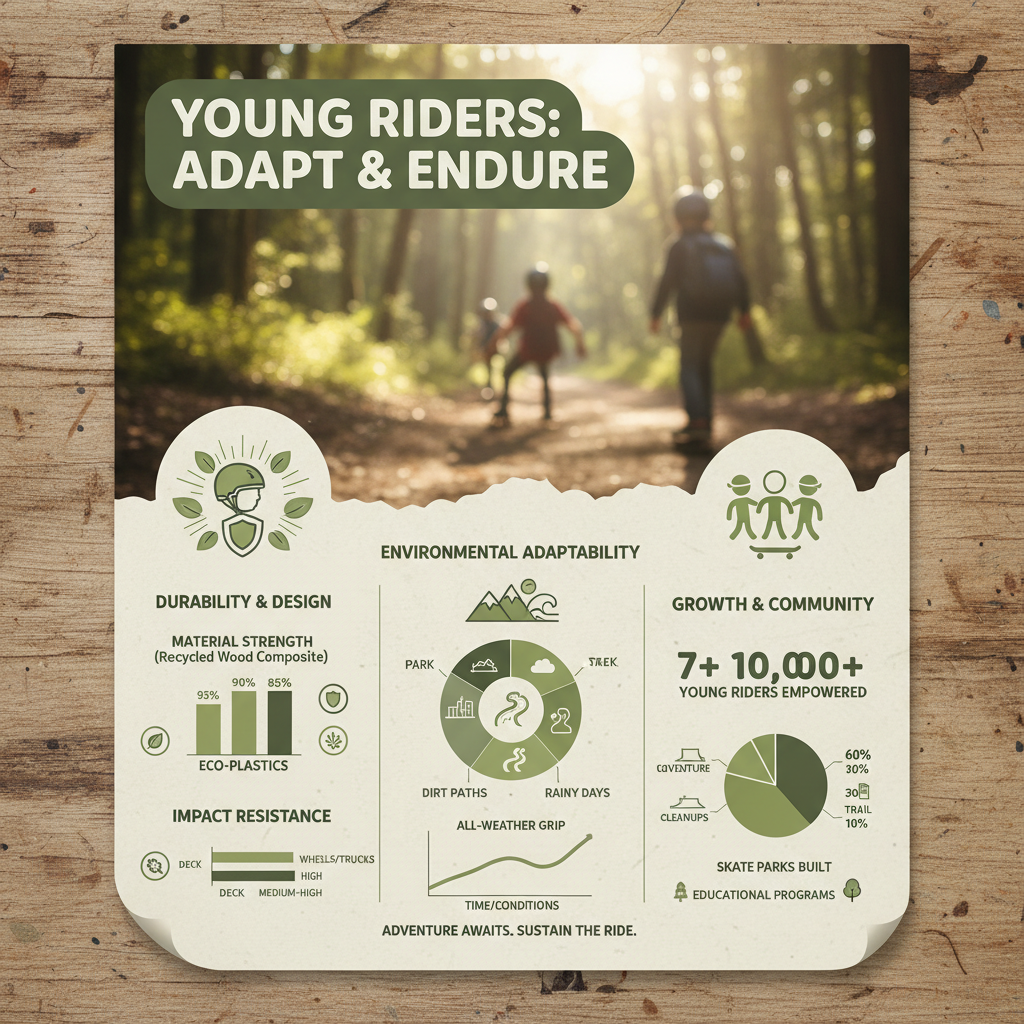
The skateboard, a seemingly simple platform of wood and wheels, represents far more than just a recreational activity. It's a cultural icon, a dynamic sport, and a rapidly evolving form of personal transportation. Globally, skateboarding's influence extends beyond dedicated skateparks, permeating art, fashion, and urban landscapes. With an estimated 8.4 million participants in the United States alone (according to the SGMA report of 2022), and growing international participation, skateboarding is a significant force in youth culture and athletic development.
The skateboarding industry contributes billions to the global economy annually, driving innovation in materials science, footwear, apparel, and video production. However, beyond its economic impact, skateboarding provides accessible physical activity, fosters creativity, and builds communities. Its inherent challenges encourage perseverance, risk assessment, and problem-solving skills – valuable attributes applicable far beyond the skatepark.
Understanding the evolution, technology, and cultural significance of the skateboard is crucial for recognizing its potential beyond recreation. From its humble beginnings in the 1950s to its Olympic debut in 2020, the skateboard continues to reshape our understanding of sport, self-expression, and urban living.
The Historical Development of skateboard
The origins of the skateboard can be traced back to the surf culture of 1950s California. Surfers, seeking a land-based equivalent to wave riding, began attaching roller skate wheels to wooden boards. These early iterations, often referred to as "sidewalk surfing," were rudimentary but ignited a passion that would evolve into the modern skateboard.
Throughout the 1960s, improvements in wheel technology and board design began to take shape. The introduction of clay wheels offered better grip and control, while the development of kicktails allowed for more dynamic maneuvers. This period saw the rise of the first skateboarding teams and competitions, laying the foundation for the sport's future growth.
Core Components of a skateboard
A skateboard isn’t just a single piece of wood; it's a carefully assembled system of components working in harmony. The deck, typically constructed from seven plies of maple wood, provides the foundational platform. Trucks, which attach to the deck, allow for steering and control. These consist of the baseplate, hanger, and kingpin.
Wheels, varying in size and hardness (measured on the durometer scale), dictate speed and smoothness. Bearings, housed within the wheels, reduce friction and enable a smooth ride. Finally, grip tape, applied to the top of the deck, provides essential traction for the rider's feet. Each component plays a vital role in the overall performance and feel of the skateboard.
Beyond these core elements, hardware – bolts and nuts – securely holds everything together. The quality and combination of these parts dramatically impact a skater's experience, influencing their ability to perform tricks, navigate different terrains, and enjoy the ride.
The Materials Science Behind skateboard Construction
The choice of materials in skateboard construction is driven by the need for strength, flexibility, and durability. Maple wood, particularly Canadian maple, is the preferred material for decks due to its high strength-to-weight ratio and responsiveness. The wood is laminated in multiple layers with the grain running in alternating directions to enhance its structural integrity and prevent warping. The skateboard benefits from the careful selection of materials.
Trucks are typically made from aluminum alloys, chosen for their strength and lightweight properties. High-carbon steel is often used for the axles and kingpins, providing exceptional durability and resistance to bending. Wheels are commonly made from polyurethane, a polymer renowned for its abrasion resistance, elasticity, and ability to maintain grip.
Ongoing research explores alternative materials like carbon fiber, fiberglass, and bamboo to further enhance skateboard performance. These materials offer potential advantages in terms of weight reduction, increased strength, and improved responsiveness, pushing the boundaries of skateboard technology.
Performance Metrics of Different skateboard Setups
Analyzing skateboard performance requires understanding how different setups affect key metrics like speed, control, and responsiveness. Wheel size and durometer (hardness) are critical factors: larger, softer wheels (lower durometer) excel on rough surfaces, providing a smoother ride and better grip, while smaller, harder wheels (higher durometer) are ideal for skateparks and street skating due to their speed and precision.
Truck tightness influences turning radius and stability. Looser trucks allow for more responsive turning but can feel unstable at high speeds, while tighter trucks offer greater stability but require more effort to turn. Deck concave (the curvature of the deck's surface) also impacts control and responsiveness, with deeper concave providing more leverage for tricks.
skateboard Setup Performance Ratings
Global Skateboarding Culture and Communities
Skateboarding transcends geographical boundaries, fostering a vibrant global culture. From the iconic skateparks of California to the burgeoning skate scenes in South America, Asia, and Africa, skateboarding unites individuals through a shared passion for creativity, athleticism, and self-expression. Local skate shops serve as hubs for these communities, offering not only equipment but also mentorship and a sense of belonging.
The rise of social media has further amplified skateboarding's reach, connecting skaters worldwide and facilitating the sharing of techniques, inspiration, and event information. Online platforms showcase the diverse styles and talents of skaters from all corners of the globe, breaking down barriers and fostering a sense of collective identity.
The Economic Impact of the skateboard Industry
The skateboard industry is a multi-billion dollar global market encompassing the manufacturing, distribution, and retail of skateboards, apparel, footwear, and accessories. The industry supports a vast network of businesses, from small independent skate shops to large multinational corporations.
Beyond direct sales, skateboarding contributes to related industries such as video production, event promotion, and tourism. Skateparks themselves generate economic activity, attracting visitors and creating employment opportunities. The increasing mainstream acceptance of skateboarding, fueled by its Olympic inclusion, is expected to further boost its economic impact in the years to come.
Furthermore, the skateboard industry stimulates innovation in materials science and design, driving advancements that extend beyond the realm of skateboarding itself.
Future Trends in skateboard Technology and Design
The future of skateboarding is poised for significant innovation. Electric skateboards are gaining popularity, offering a convenient and sustainable alternative for commuting and recreation. Advancements in materials science are leading to the development of lighter, stronger, and more durable skateboard components.
Digital technologies, such as wearable sensors and virtual reality, are being explored to enhance the skateboarding experience, providing real-time performance data and immersive training environments. Customization and personalization will become increasingly prevalent, allowing skaters to tailor their boards to their specific preferences and needs.
Sustainability is another key trend, with manufacturers seeking to reduce their environmental impact through the use of recycled materials and eco-friendly production processes.
Summary of Future Trends in skateboard Development
| Trend Category |
Description |
Potential Impact |
Implementation Timeline |
| Electric Skateboards |
Integration of electric motors and batteries into traditional skateboard designs. |
Increased accessibility, longer distances, and reduced physical exertion. |
Short-Term (1-3 years) |
| Advanced Materials |
Utilizing carbon fiber, graphene, and other lightweight, high-strength materials. |
Enhanced performance, durability, and responsiveness. |
Medium-Term (3-5 years) |
| Wearable Tech |
Integration of sensors to track performance metrics (speed, jump height, g-force). |
Data-driven training, improved technique, and injury prevention. |
Medium-Term (3-5 years) |
| VR/AR Integration |
Virtual and augmented reality applications for training and simulation. |
Safe practice environments, skill development, and enhanced learning. |
Long-Term (5-10 years) |
| Sustainable Manufacturing |
Use of recycled materials, eco-friendly production processes, and reduced waste. |
Reduced environmental impact and increased brand responsibility. |
Ongoing (Continuous Improvement) |
| Personalized Customization |
On-demand manufacturing and design options tailored to individual skater preferences. |
Optimized performance, comfort, and aesthetic appeal. |
Short-to-Medium Term (1-3 years) |
FAQS
Longboards and skateboards differ significantly in their design and intended use. Longboards are typically longer and more flexible than skateboards, making them better suited for cruising, downhill riding, and carving. Skateboards, on the other hand, are shorter and more rigid, designed for tricks, skatepark riding, and street skating. Wheel size, truck base width, and deck shape all contribute to these differences, influencing stability, maneuverability, and overall riding experience.
Choosing the right skateboard depends heavily on your experience and intended riding style. Beginners should opt for a standard skateboard with a moderate concave and medium-sized wheels (around 52-56mm) for stability. As your skills progress, you can experiment with different deck shapes, wheel sizes, and truck setups to fine-tune your board for specific tricks or terrain. Consider your height and weight when selecting a deck width, ensuring it provides comfortable foot placement and control.
Safety is paramount in skateboarding. Essential gear includes a helmet, knee pads, elbow pads, and wrist guards. A helmet is the most important piece of equipment, protecting against serious head injuries. Knee and elbow pads provide cushioning during falls, while wrist guards prevent fractures. Skate shoes with reinforced soles offer better grip and ankle support. Always skate in a safe environment and be aware of your surroundings.
Regular maintenance is crucial for extending the life of your skateboard. Clean your bearings periodically with a bearing cleaner to remove dirt and debris. Check your trucks for looseness and tighten the kingpin and axle nuts as needed. Inspect your deck for cracks or delamination and replace it if necessary. Keep your grip tape clean by using a grip gum or brush. Proper care will ensure your skateboard performs optimally and lasts longer.
Learning basic skateboard tricks requires patience, practice, and a methodical approach. Start with the fundamentals, such as riding comfortably and learning to ollie. Break down tricks into smaller, manageable steps and practice each step individually. Watch instructional videos and seek guidance from experienced skaters. Don't be afraid to fall – it's a natural part of the learning process. Consistency and persistence are key to progressing your skills.
Wheel hardness, measured on the durometer scale, significantly impacts the skateboarding experience. Softer wheels (lower durometer – 78A to 87A) provide a smoother ride and better grip on rough surfaces, making them ideal for cruising and filming. Harder wheels (higher durometer – 97A to 101A+) offer faster speeds and greater responsiveness on smooth surfaces like skateparks, making them better suited for tricks and technical skating. The choice depends on your riding style and the terrain you frequent.
Conclusion
From its origins as a surfer's pastime to its current status as a global sport and cultural phenomenon, the skateboard has undergone a remarkable evolution. Its impact extends beyond recreation, influencing art, fashion, urban design, and athletic development. The continuous innovation in materials, technology, and design promises an exciting future for skateboarding, with new possibilities for performance, accessibility, and sustainability.
Embracing the skateboard culture and understanding its nuances provides a unique lens through which to view creativity, resilience, and community building. Whether you're a seasoned skater, a curious observer, or a potential investor, recognizing the long-term value of the skateboard ecosystem is essential. Explore further and discover the endless possibilities at skateboard.