Look, kids swing car… honestly, it’s been a year of running around construction sites, getting dust in my teeth, and arguing with engineers. Everyone's chasing the next big thing, right? Lately, it's all been about maximizing space and speed of assembly. Pre-fab everything, ship it flatpack, and have someone put it together on site. Sounds good in a meeting, doesn’t always translate to reality.
I’ve seen so many designs try to be too clever, too streamlined. Have you noticed how often the simplest solutions are the best? Fancy locking mechanisms that jam, complicated hinges that rust...it's a constant battle against over-engineering. It’s the little things that kill you.
And the materials! We’re using a lot more high-density polyethylene (HDPE) for the swing car body these days. It's tough, surprisingly lightweight, and doesn't splinter like some of the older plastics. Smells a bit like...well, plastic, I guess. Not a pleasant smell, but you get used to it. The frames, though, that’s where things get interesting. Mostly steel, obviously, but the gauge makes all the difference. Thicker isn’t always better – adds weight, complicates transport. You want something that can take a beating, but won’t break your back carrying it.

The market for kids swing car is… surprisingly robust. It's not just playgrounds anymore. We’re seeing them in indoor play areas, community centers, even some fancy hotels are using them as a quirky amenity. Strangely, there's been a surge in demand for heavier-duty models for special needs kids. Something that can really take a pounding and provide a stable ride. It’s good to see, actually.
A lot of manufacturers are trying to undercut each other on price, which is… worrying. You get what you pay for, you know? I encountered a batch of incredibly cheap swing cars at a factory in Ningbo last time – the plastic was brittle, the welds were sloppy. It wouldn’t have lasted a week with real kids on it. Honestly, it felt dangerous.
Generally, a standard kids swing car is rated for up to 100 pounds. However, we always recommend checking the specific model's specifications, as some heavier-duty versions can accommodate up to 150 pounds. We’ve seen some real abuse on construction sites, and exceeding the weight limit can compromise safety and durability. It’s about being sensible, you know?
That depends heavily on usage and environment. A well-maintained swing car, used in a typical playground setting, should last at least 3-5 years. If it's constantly exposed to harsh weather or subjected to rough handling, that lifespan might be shorter. We recommend regular inspections for wear and tear, and replacing any damaged parts promptly.
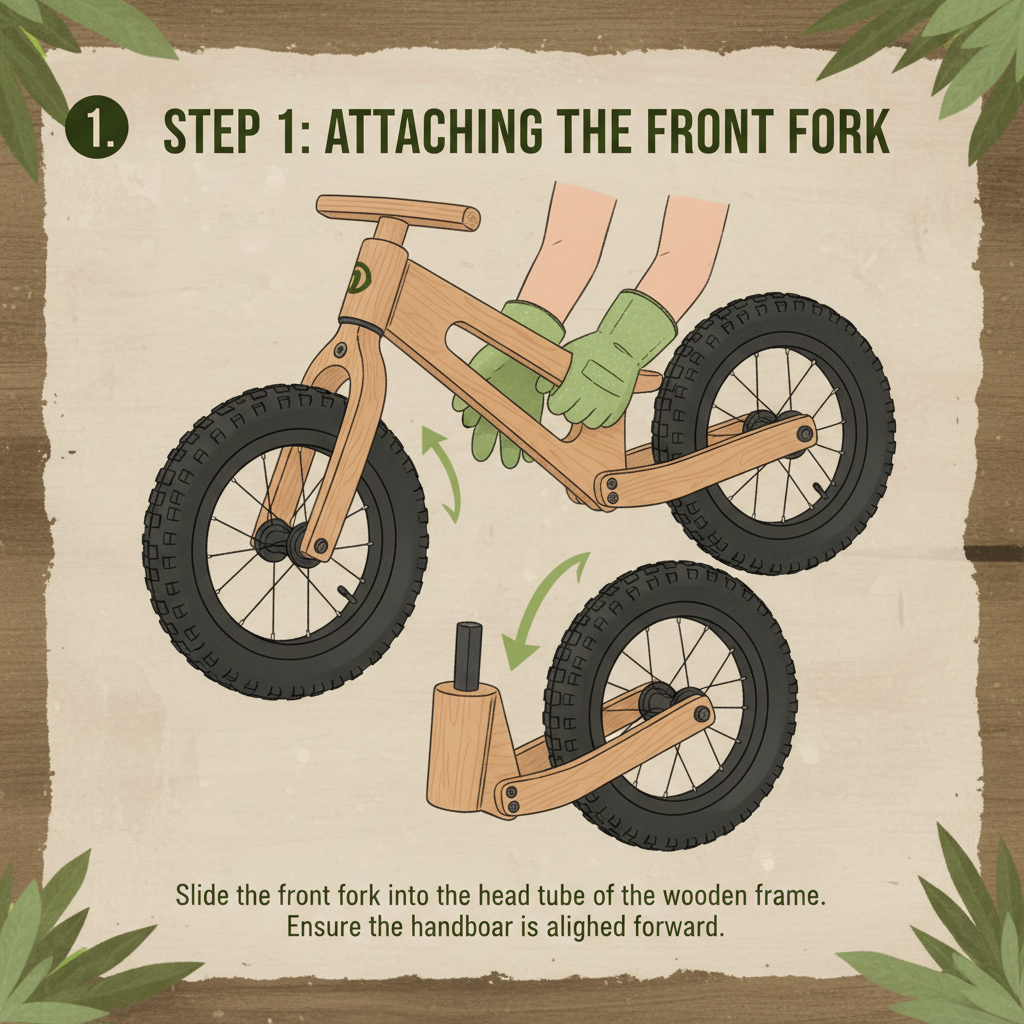
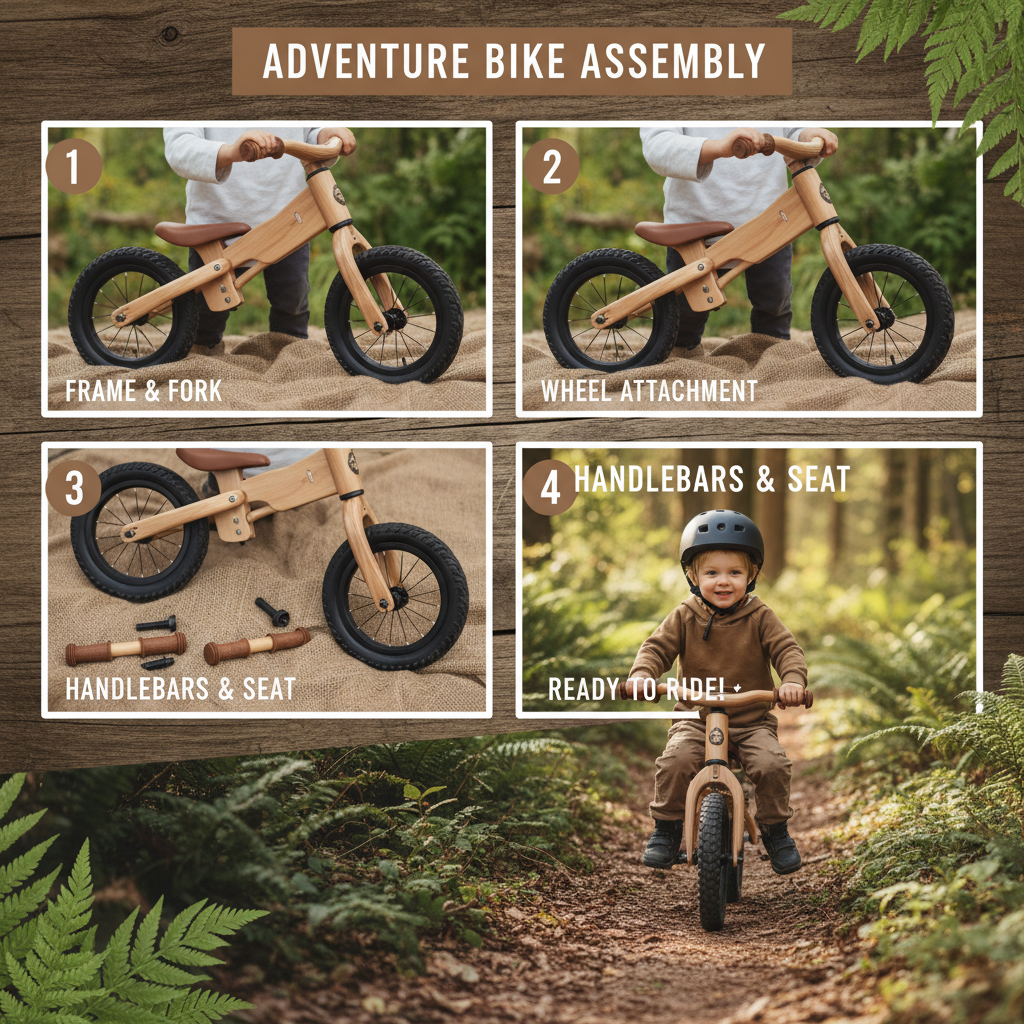
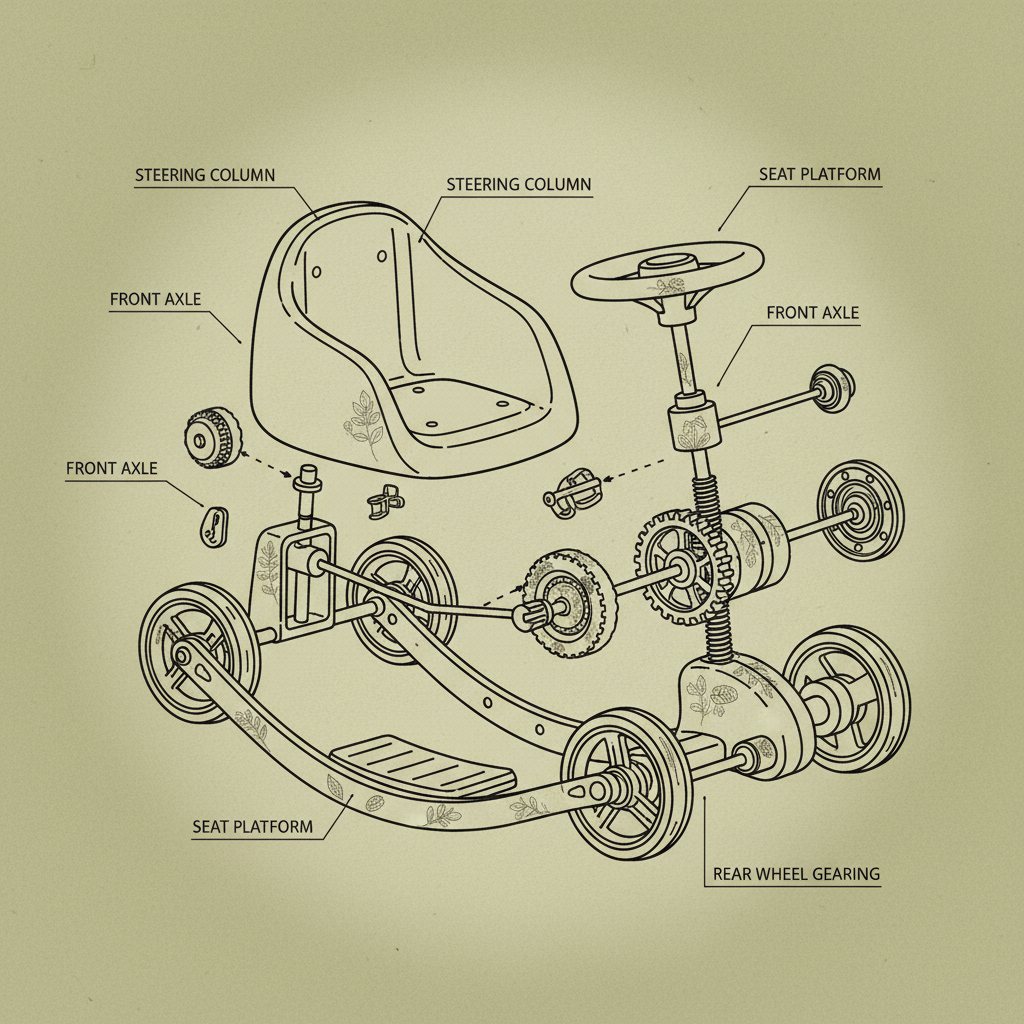
Most of our models are designed for easy assembly, with clear instructions and minimal tools required. Typically, it takes around 15-20 minutes for one person to put it together. We provide detailed diagrams and a parts list to ensure a smooth process. We’ve also got videos on our website, if you’re more of a visual learner.
The maintenance is fairly straightforward. Regular cleaning with soap and water is essential to remove dirt and debris. Check for loose bolts and tighten them as needed. Periodically inspect the plastic components for cracks or damage. Lubricating the moving parts can also help to extend their lifespan. It’s not rocket science, really.
Absolutely! We offer a range of customization options, including custom colors, logo printing, and even modifications to the frame design. We work with schools, parks, and businesses to create swing cars that match their branding and aesthetic preferences. Minimum order quantities may apply, of course.
Yes, all our swing cars are rigorously tested and certified to meet relevant safety standards, including EN71 and ASTM F1487. We prioritize safety in our design and manufacturing processes to ensure that children can enjoy our products with peace of mind. We take this seriously, you know, it’s kids we’re talking about.
So, there you have it. Kids swing car – it’s more than just a bit of playground equipment. It’s a product of engineering, material science, and a whole lot of on-the-ground experience. We’ve learned a lot over the years, from the importance of simple designs to the need for robust materials and rigorous testing. It's about balancing cost, durability, and, of course, fun.
Ultimately, whether this thing works or not, the worker will know the moment he tightens the screw. If it feels solid, if it moves smoothly, if it looks like it can take a beating… then you’ve got something good. And that's what really matters.