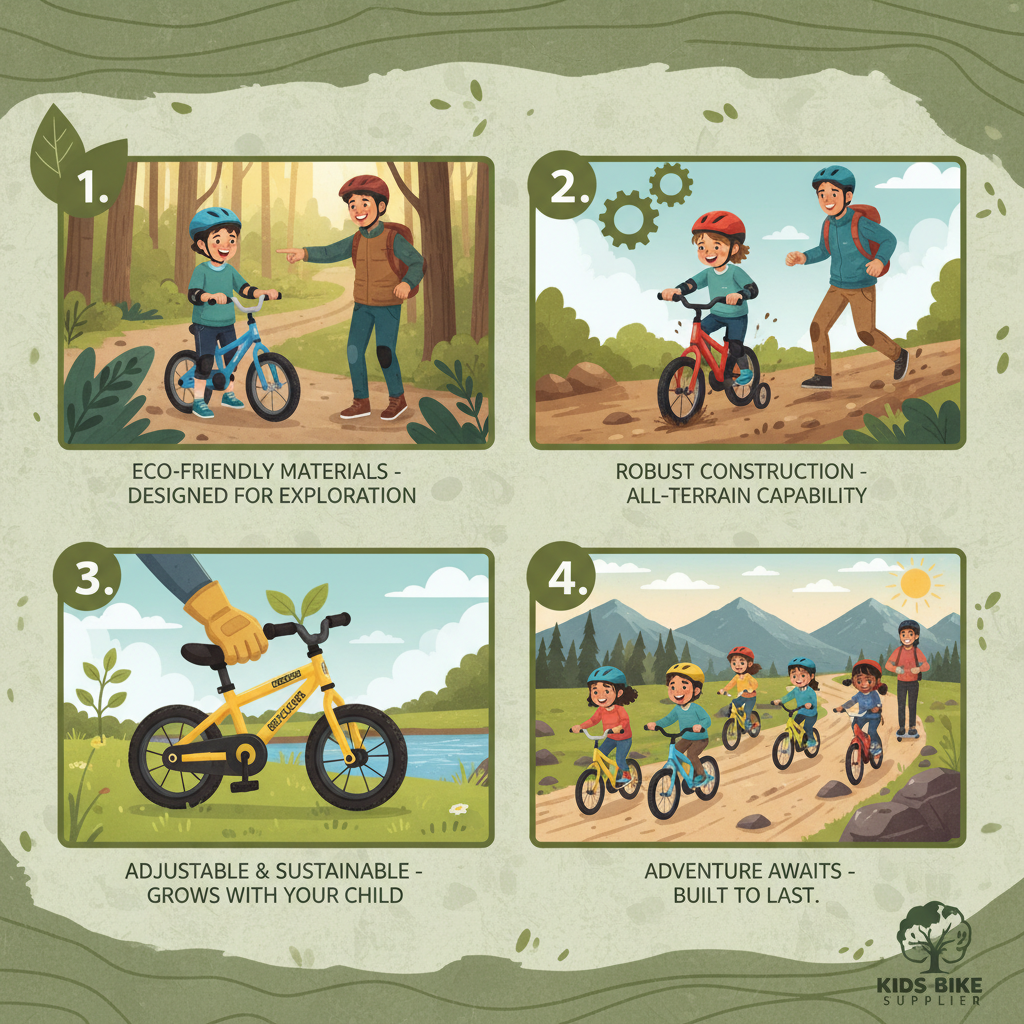
The global demand for safe, reliable, and affordable transportation solutions for young children is consistently high, making the role of a baby bicycle supplier critically important. These suppliers aren't just providing products; they're contributing to the development of gross motor skills, promoting outdoor activity, and fostering a sense of independence in toddlers and preschoolers. Understanding the nuances of this industry – from safety standards to manufacturing practices – is essential for parents, retailers, and policymakers alike.
The market for baby bicycles is experiencing steady growth, driven by increasing awareness of the benefits of early physical activity and a rising disposable income in developing nations. A reliable baby bicycle supplier must navigate complex supply chains, adhere to stringent safety regulations (such as EN 71 and ASTM F963), and innovate to meet evolving consumer preferences. This creates both opportunities and challenges for businesses operating in this sector.
Choosing the right baby bicycle supplier impacts not only product quality and safety but also the environmental sustainability of production. A commitment to ethical sourcing, durable materials, and responsible manufacturing practices is becoming increasingly vital for building trust and maintaining a competitive edge in today’s market.
The Significance of a Baby Bicycle Supplier
A dependable baby bicycle supplier plays a pivotal role in bringing joy and developmental benefits to young children worldwide. Beyond simply providing a product, these suppliers facilitate access to a crucial tool for physical and cognitive growth. The quality and safety of these bicycles directly impact a child’s experience and well-being.
The significance extends to economic benefits as well. Reliable supply chains ensure retailers can maintain stock, meet consumer demand, and contribute to local economies. A strong baby bicycle supplier invests in quality control and adherence to international safety standards, providing peace of mind to parents and retailers alike.
Defining a Baby Bicycle Supplier
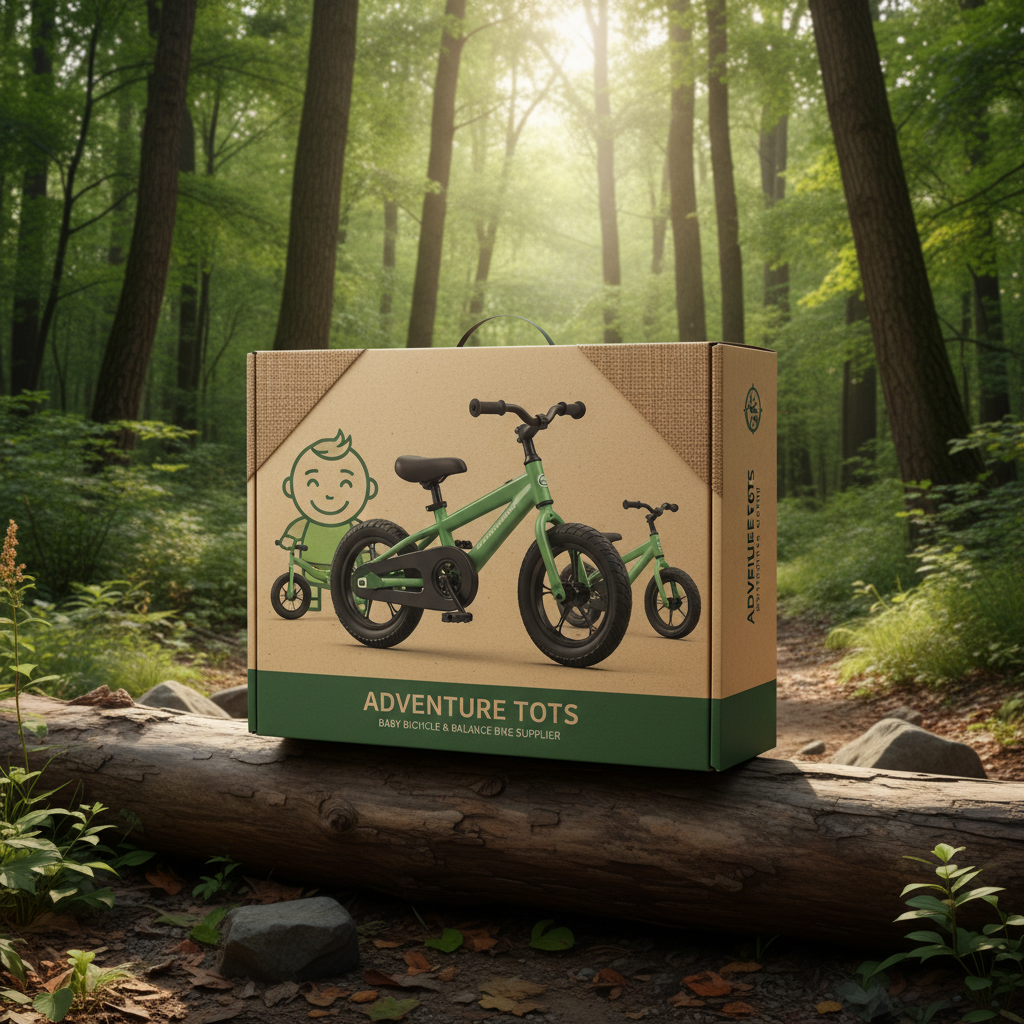
A baby bicycle supplier is a company specializing in the manufacture, distribution, and wholesale of bicycles designed for infants and toddlers. These companies typically cater to retailers, distributors, and occasionally, direct-to-consumer markets. They handle everything from raw material sourcing and manufacturing to quality control, packaging, and logistics.
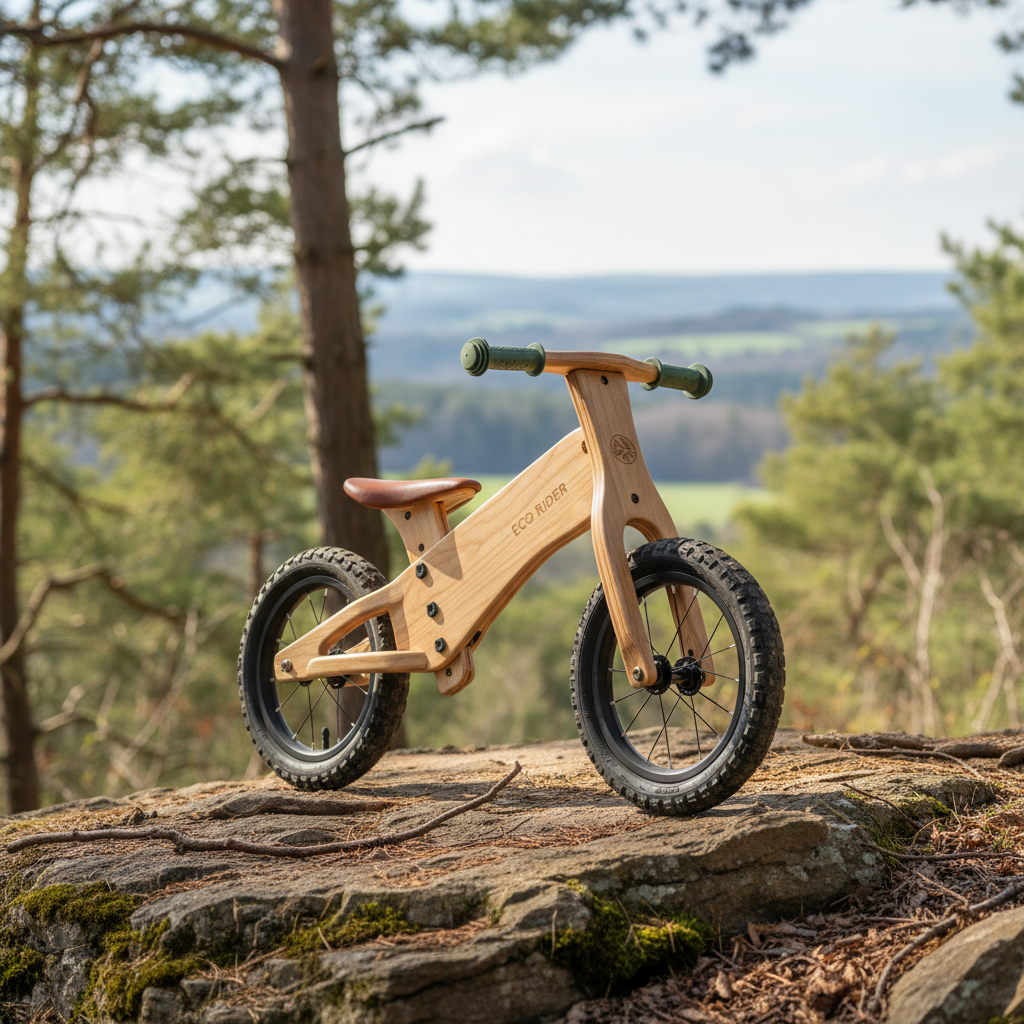
In the modern industry, these suppliers often emphasize sustainability and ethical manufacturing practices. They may offer a range of bicycle types, including balance bikes, tricycle-style bicycles, and pedal-powered bikes with training wheels, adapting to various developmental stages.
The connection to humanitarian needs, while less direct, exists through the promotion of healthy lifestyles and physical activity from a young age. Providing access to safe and affordable bicycles can contribute to improved child development and well-being, particularly in regions with limited resources.
Core Components of Reliable Supply
Durability is paramount. A reliable baby bicycle supplier prioritizes using high-quality materials – typically steel, aluminum, or durable plastics – that can withstand the rough handling typical of young riders. Rigorous testing ensures the bicycle can support the appropriate weight and endure various conditions.
Safety is non-negotiable. This encompasses adherence to international safety standards (EN 71, ASTM F963), features like rounded edges, secure fasteners, and non-toxic paint finishes. A reputable baby bicycle supplier will provide comprehensive safety documentation and certifications.
Scalability is crucial for meeting fluctuating demand. A supplier capable of scaling production quickly and efficiently is essential for retailers seeking to capitalize on seasonal trends or unexpected surges in popularity. This requires robust manufacturing processes and a well-managed supply chain.
Global Applications and Market Reach
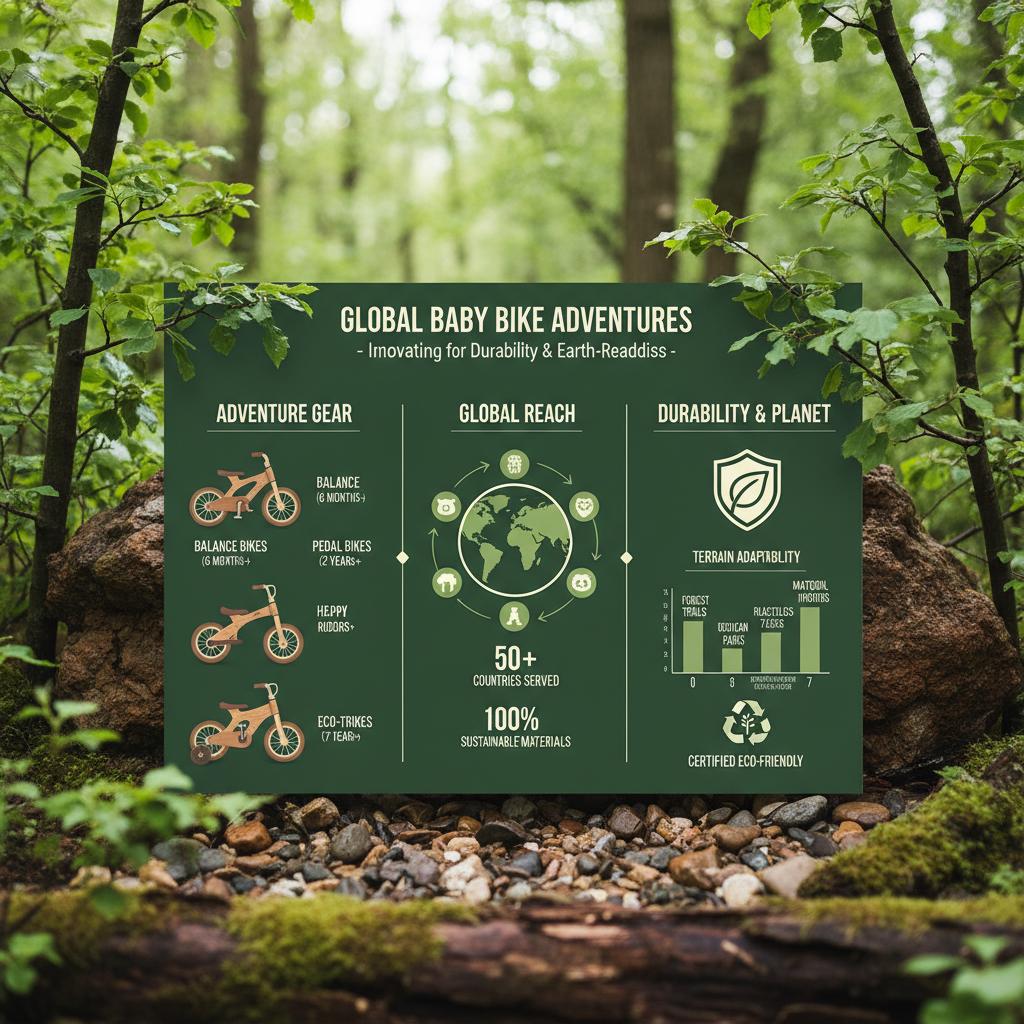
Baby bicycles, supplied by companies like baby bicycle supplier, are utilized globally, representing a significant segment of the children’s transportation market. Demand is particularly high in developed nations with a strong emphasis on outdoor activity and early childhood development.
In Europe, stringent safety regulations drive demand for certified bicycles from suppliers with established quality control systems. North America follows a similar pattern. Emerging markets in Asia and Latin America present growth opportunities, fueled by rising disposable incomes and an increasing awareness of the benefits of early physical activity.
Organizations involved in promoting child well-being often partner with baby bicycle supplier to provide bicycles for community programs or charitable initiatives. For example, in post-disaster relief operations, providing recreational items like bicycles can help children regain a sense of normalcy and cope with trauma.
Baby Bicycle Supplier Performance Metrics
Advantages of Partnering with a Leading Supplier
Cost efficiency is a major benefit. A leading baby bicycle supplier leverages economies of scale, streamlining production processes to offer competitive pricing without compromising quality. This translates to higher profit margins for retailers.
Reliability and consistency are also key. A reputable supplier maintains strict quality control measures, ensuring each batch of bicycles meets specified standards. This reduces the risk of product recalls and minimizes customer dissatisfaction.
Future Trends in Baby Bicycle Supply
Sustainability is becoming a driving force. Consumers are increasingly demanding eco-friendly products, prompting suppliers to adopt sustainable materials and manufacturing practices. This includes using recycled plastics, reducing waste, and minimizing carbon emissions.
Digital transformation is streamlining supply chains. The use of AI and data analytics is optimizing inventory management, forecasting demand, and improving logistics. This allows baby bicycle supplier to respond more quickly to market changes.
Automation is increasing efficiency. Robotics and automated assembly lines are reducing labor costs and improving production speed, contributing to lower prices and faster turnaround times.
Overcoming Challenges in Baby Bicycle Sourcing
Supply chain disruptions are a persistent challenge. Geopolitical events, natural disasters, and logistical bottlenecks can all impact the availability of raw materials and finished products. Diversifying sourcing and establishing backup suppliers are crucial mitigation strategies.
Maintaining quality control across a global supply chain requires rigorous oversight. Implementing robust inspection procedures, conducting regular audits, and collaborating closely with suppliers are essential for ensuring consistent product quality. The best baby bicycle supplier will prioritize this.
Navigating complex international regulations and trade barriers can be challenging. Staying informed about evolving standards and working with experienced logistics partners can help streamline import/export processes.
Summary of Key Challenges and Mitigation Strategies
| Challenge |
Impact on Baby Bicycle Supply |
Mitigation Strategy |
Priority Level (1-5) |
| Supply Chain Disruptions |
Delayed deliveries, increased costs |
Diversify sourcing, build buffer inventory |
5 |
| Quality Control Issues |
Product recalls, damage to brand reputation |
Rigorous inspections, supplier audits |
5 |
| Rising Raw Material Costs |
Reduced profit margins |
Negotiate contracts, explore alternative materials |
4 |
| Regulatory Compliance |
Import/export delays, fines |
Stay updated on regulations, utilize expert guidance |
4 |
| Logistical Bottlenecks |
Port congestion, shipping delays |
Diversify shipping routes, build relationships with carriers |
3 |
| Changing Consumer Preferences |
Inventory obsolescence, reduced demand |
Market research, product innovation |
3 |
FAQS
When evaluating a baby bicycle supplier, prioritize certifications like EN 71 (European Standard) and ASTM F963 (American Society for Testing and Materials). These certifications indicate the bicycle has undergone rigorous testing for safety, durability, and material quality. Look for suppliers that provide documented proof of compliance with these standards, ensuring the product meets stringent safety requirements and minimizes risks for young riders. Additionally, inquire about any internal quality control processes the supplier has in place.
Ethical sourcing is crucial. Ask your baby bicycle supplier about their sourcing policies and practices. Inquire about their commitment to fair labor standards, responsible environmental practices, and traceability of materials. Look for suppliers with certifications like BSCI or SA8000, which demonstrate a commitment to social responsibility. Request documentation verifying the origin of materials and ensuring they are sourced ethically and sustainably. Transparency is key.
Lead times from a baby bicycle supplier can vary significantly depending on the order size, complexity, and supplier’s production capacity. Generally, you can expect lead times ranging from 30 to 90 days for standard orders. For larger or customized orders, lead times may be longer. It’s crucial to discuss lead times upfront and confirm the supplier’s ability to meet your deadlines before placing an order. Factor in potential delays due to shipping and customs clearance.
Several factors influence the cost, including the materials used (steel vs. aluminum), the complexity of the design, the order volume, and shipping costs. Higher-quality materials and more intricate designs will generally result in higher prices. Larger orders typically qualify for volume discounts. Shipping costs can vary depending on the destination and mode of transport. A reputable baby bicycle supplier will provide a transparent breakdown of costs.
Assess quality control by requesting documentation of their procedures, including inspection reports, testing data, and certifications. Ask about their defect rate and how they handle returns or complaints. Consider conducting a factory audit to verify their processes firsthand. A reliable baby bicycle supplier will be transparent and willing to provide evidence of their commitment to quality. Also, ask for samples to assess the build quality yourself.
Emerging trends include the use of lightweight materials like aluminum and recycled plastics, ergonomic designs for improved comfort and handling, and integrated safety features like adjustable helmets and reflective elements. There's also a growing demand for bicycles with customizable options, such as color choices and accessory attachments. baby bicycle supplier are increasingly focusing on sustainable manufacturing practices and eco-friendly materials to appeal to environmentally conscious consumers.
Conclusion
In conclusion, a reliable baby bicycle supplier is far more than just a manufacturer; they are a partner in promoting child development, ensuring safety, and supporting a sustainable future. Prioritizing quality control, ethical sourcing, and innovation is crucial for navigating the complexities of this dynamic industry and delivering exceptional value to consumers. Choosing the right supplier impacts everything from product safety to brand reputation.
Looking ahead, embracing sustainable practices, leveraging digital technologies, and fostering strong supplier relationships will be essential for long-term success. We encourage retailers and distributors to conduct thorough due diligence, prioritize transparency, and select partners committed to exceeding industry standards. Visit our website at www.gorgeousbike.com to learn more about how we can meet your baby bicycle supply needs.