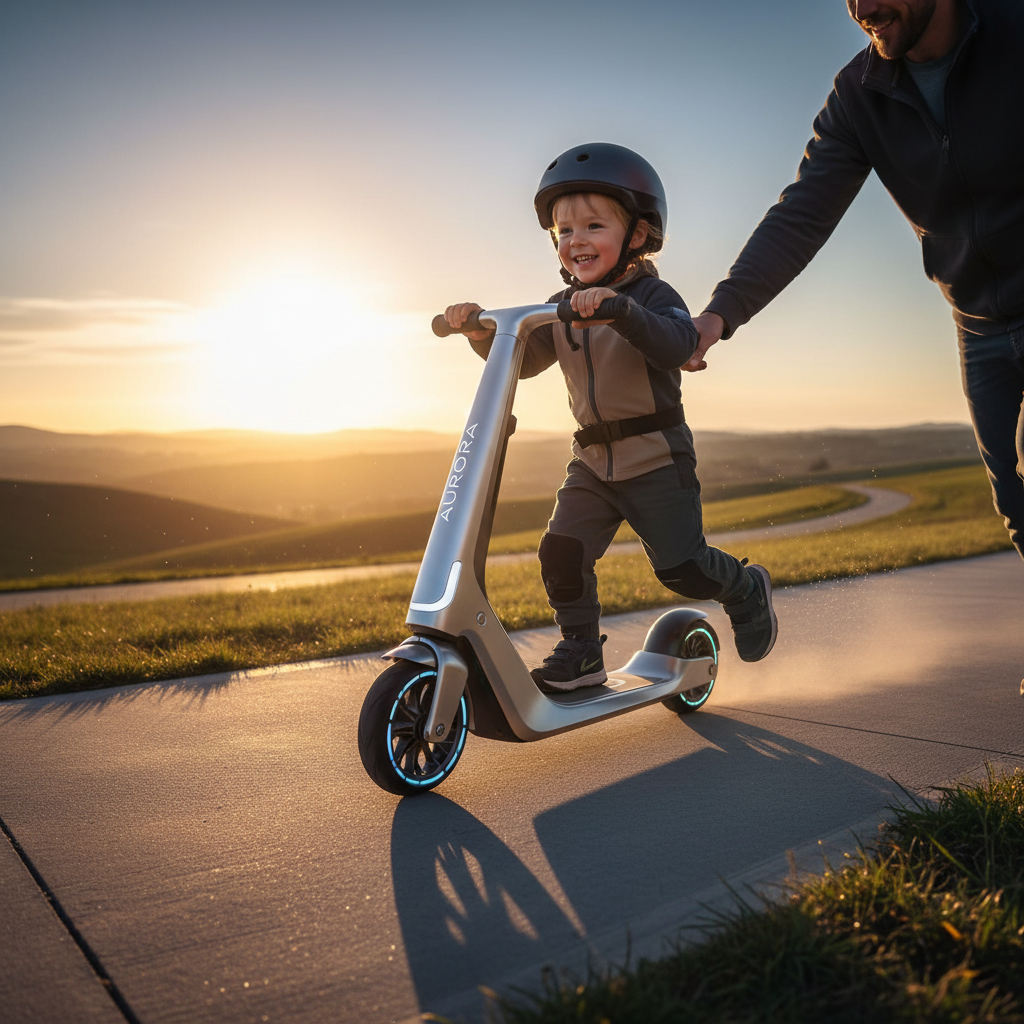
The world of personal transportation is constantly evolving, with the baby scooter emerging as a popular and practical choice for young children. These scooters provide a fun and engaging way for kids to develop balance, coordination, and a sense of independence. As urbanization increases and families seek convenient solutions for short-distance travel, the demand for safe, durable, and easily maneuverable baby scooters is steadily rising globally. Understanding the features, benefits, and safety considerations associated with these scooters is crucial for parents and caregivers.
The growth of the baby scooter market is intrinsically linked to shifts in lifestyle and urban planning. Increased emphasis on outdoor activity and a desire to limit car usage for short trips contribute to their appeal. Data suggests a significant increase in sales across developed nations, with emerging markets also demonstrating growing interest. However, challenges remain in ensuring adequate safety standards and promoting responsible scooter usage among children, requiring collaborative efforts from manufacturers, regulators, and educators.
Beyond personal use, the rising popularity of baby scooters impacts related industries, like helmet and protective gear manufacturing, creating economic opportunities and fostering innovation in child-focused transportation solutions. Their portability and ease of storage also make them attractive alternatives to larger, more cumbersome modes of transport for young children.
Introduction to Baby Scooters
Baby scooters have become a ubiquitous sight in parks and playgrounds, offering children a thrilling and engaging way to explore their surroundings. These scooters are designed specifically for young riders, prioritizing safety and ease of use. They differ significantly from adult scooters in terms of size, weight, and features, catering to the developmental needs of toddlers and preschoolers.
The appeal of the baby scooter lies in its ability to foster physical activity and independence. As children master the art of scooting, they develop gross motor skills, coordination, and confidence. Parents appreciate the scooter as a healthy alternative to screen time, encouraging outdoor play and a more active lifestyle for their little ones.
Defining the Baby Scooter
A baby scooter is a foot-powered vehicle designed for young children, typically between the ages of 2 and 5. Unlike bicycles, scooters require children to propel themselves by pushing off the ground with one foot while balancing on the other. Modern baby scooters often feature three or four wheels for enhanced stability, as well as adjustable handlebars to accommodate growing riders.
The evolution of the baby scooter reflects advancements in materials science and ergonomic design. Early models were often constructed from heavier materials, making them difficult for young children to maneuver. Today, lightweight aluminum and high-strength plastics are commonly used, resulting in scooters that are both durable and easy to control.
Beyond just a toy, the baby scooter represents a stepping stone towards more complex forms of transportation, helping children develop the balance and coordination necessary for riding bicycles and other wheeled vehicles. It’s a developmental tool disguised as fun.
Key Components of a Safe Baby Scooter
Several key components contribute to the safety and functionality of a baby scooter. These include a sturdy deck, providing a stable platform for the rider; handlebars with comfortable grips, allowing for secure steering; and wheels designed for smooth rolling and optimal traction. The braking system, though not always present on entry-level models, is a crucial safety feature for older children.
Material selection is equally important. High-quality aluminum alloys offer a good balance of strength and lightweight construction. Durable plastics are used for components like handlebars and wheel housings. Importantly, the baby scooter should adhere to relevant safety standards (like ASTM F963 in the US or EN 71 in Europe) to ensure it has been tested for potential hazards.
Beyond the physical components, features like adjustable handlebars and non-slip foot decks contribute to a safe and comfortable riding experience. The handlebar adjustment allows the scooter to grow with the child, while the non-slip deck ensures a secure footing, preventing accidental slips and falls.
Durability and Materials in Baby Scooter Construction
The durability of a baby scooter is paramount, as it’s subjected to repeated use and potential impacts. Materials play a vital role in ensuring longevity. Aluminum alloy frames are favored for their strength-to-weight ratio, resisting bending and corrosion. Polyurethane (PU) wheels offer excellent grip, shock absorption, and wear resistance compared to cheaper PVC alternatives.
Different baby scooter construction methods affect durability. Welded aluminum frames offer superior strength compared to bolted assemblies. Reinforced deck plates prevent cracking and deformation under pressure. Investing in a scooter with high-quality construction materials and robust build quality translates to a longer lifespan and reduced risk of breakage.
Durability Ratings for Different Scooter Materials
Global Usage and Applications of Baby Scooters
The baby scooter has seen widespread adoption across the globe, becoming a popular recreational activity for young children in numerous countries. Europe and North America represent significant markets, with increasing demand in Asia-Pacific regions as disposable incomes rise. Parks, playgrounds, and designated scooter trails are common locations for use.
Beyond recreational use, baby scooters are increasingly being incorporated into early childhood education programs, fostering gross motor skill development and promoting physical activity in a fun and engaging manner. Some schools are even using them as part of their physical education curricula.
Advantages and Long-Term Value
Investing in a quality baby scooter offers numerous advantages. The primary benefit is the promotion of physical activity, combating sedentary lifestyles and promoting healthy development. The scooter’s simplicity encourages independent exploration and builds confidence in young children. Furthermore, it provides a cost-effective alternative to more expensive forms of transportation or entertainment.
The long-term value extends beyond physical health. Learning to balance and coordinate on a scooter fosters problem-solving skills and spatial awareness. The sense of accomplishment derived from mastering the skill boosts self-esteem and encourages a lifelong love of physical activity. The scooter’s portability and ease of storage also add to its convenience and overall value.
A well-maintained baby scooter can often be passed down to younger siblings, extending its lifespan and maximizing its value. This sustainability aspect aligns with growing consumer preferences for durable and long-lasting products.
Future Trends and Safety Innovations
The future of the baby scooter industry is likely to be shaped by advancements in safety technology and sustainable materials. We can anticipate the integration of features like LED lights for enhanced visibility, improved braking systems for greater control, and smart sensors to monitor speed and prevent collisions.
There is growing interest in developing baby scooters constructed from recycled plastics and other eco-friendly materials, reducing their environmental impact. Furthermore, research into ergonomic design will continue to optimize comfort and reduce the risk of injuries. Expect to see more personalized and customizable scooters catering to individual preferences and needs.
Regulatory standards are also likely to become stricter, ensuring that all baby scooters meet stringent safety requirements. This increased focus on safety will further enhance consumer confidence and drive innovation in the industry.
Summary of Emerging Trends in Baby Scooter Safety and Design
| Trend Category |
Specific Innovation |
Impact on Safety |
Projected Adoption Rate |
| Lighting Systems |
Integrated LED Headlights and Taillights |
Increased visibility in low-light conditions, reducing collision risk. |
8/10 |
| Braking Mechanisms |
Foot-Activated Rear Fender Brake |
Provides reliable stopping power for young riders. |
7/10 |
| Material Science |
Use of Recycled Plastics in Deck Construction |
Reduces environmental impact without compromising durability. |
6/10 |
| Ergonomic Design |
Adjustable Handlebars with Soft Grips |
Ensures comfortable riding posture and reduces hand fatigue. |
9/10 |
| Smart Technology |
Speed Limiters & Geo-Fencing Capabilities |
Allows parents to set boundaries and control scooter speed remotely. |
4/10 |
| Wheel Technology |
PU wheels with improved shock absorption |
Provides a smoother, more comfortable ride, reducing strain on joints. |
7/10 |
FAQS
Generally, children around 2.5 to 3 years old are developmentally ready to begin using a baby scooter, but this varies. Look for signs of good balance and coordination. Always start with a three-wheeled scooter for greater stability. Ensure the child can comfortably reach the handlebars and has the strength to propel themselves forward. Supervision is critical, and protective gear (helmet, knee and elbow pads) should always be worn.
A properly fitted helmet is essential and non-negotiable. Knee and elbow pads are highly recommended, especially for beginners, to protect against scrapes and bruises. Closed-toe shoes are also crucial for providing a secure footing. Consider wrist guards for added protection, and brightly colored clothing to increase visibility. Regularly inspect the scooter for any damage or loose parts before each use.
Handlebar height is the key factor. When standing on the scooter, your child's arms should be slightly bent at the elbows. Adjustable handlebars are ideal, allowing you to customize the height as your child grows. The deck size should also be comfortable for their feet – not too small that they feel cramped, and not too large that it’s difficult to control. Consider your child's height and inseam when making your selection.
Three-wheeled scooters are generally considered better for beginners as they provide more stability than two-wheeled scooters. The extra wheel helps children maintain balance while they learn the basics of scooting. Four-wheeled scooters offer even greater stability, but can be less maneuverable. Once a child has mastered the three-wheeled scooter, they may be ready to transition to a two-wheeled model for greater freedom and control.
Regular maintenance is essential for ensuring your baby scooter remains safe and functional. Periodically check the wheel bearings for smooth rotation and lubricate them if necessary. Inspect the handlebars for tightness and adjust as needed. Examine the deck for cracks or damage. Clean the scooter regularly with a damp cloth to remove dirt and debris. Store the scooter indoors or in a dry place to prevent rust and corrosion.
Aluminum alloy is a great choice for the frame as it’s lightweight and durable. Polyurethane (PU) wheels offer excellent grip and shock absorption. Avoid scooters made with PVC wheels, as they are less durable and provide less traction. Ensure any plastics used are non-toxic and free of harmful chemicals. Look for scooters that comply with safety standards like ASTM F963 or EN 71.
Conclusion
In conclusion, the baby scooter represents more than just a toy – it's a valuable tool for promoting physical activity, developing coordination, and fostering independence in young children. Selecting a scooter with appropriate safety features, durable construction, and proper fit is crucial for ensuring a positive and enjoyable experience. As technology and materials science continue to advance, we can expect to see even safer, more innovative, and sustainable baby scooters emerge in the years to come.
Investing in a quality baby scooter provides lasting benefits for both children and parents. By prioritizing safety and responsible usage, we can empower our little ones to explore their world with confidence and joy. For more information and to browse our selection of baby scooters, visit our website today: www.gorgeousbike.com.