The world of early childhood development is constantly evolving, with a growing emphasis on fostering independence and coordination in young children. A crucial tool in achieving this is the children balance bike, a pedal-less bicycle designed to teach children the fundamental skills of balancing before they transition to a traditional pedal bike. This approach not only makes learning to ride easier but also builds confidence and a love for cycling from a young age.
The popularity of children balance bikes has surged globally, driven by increasing parental awareness of the benefits of early balance skill development. Statistics indicate a consistent year-over-year growth in sales, with major markets in Europe, North America, and Asia-Pacific leading the charge. This trend highlights a shift in parenting philosophy, prioritizing active play and skill-building over traditional training wheels.
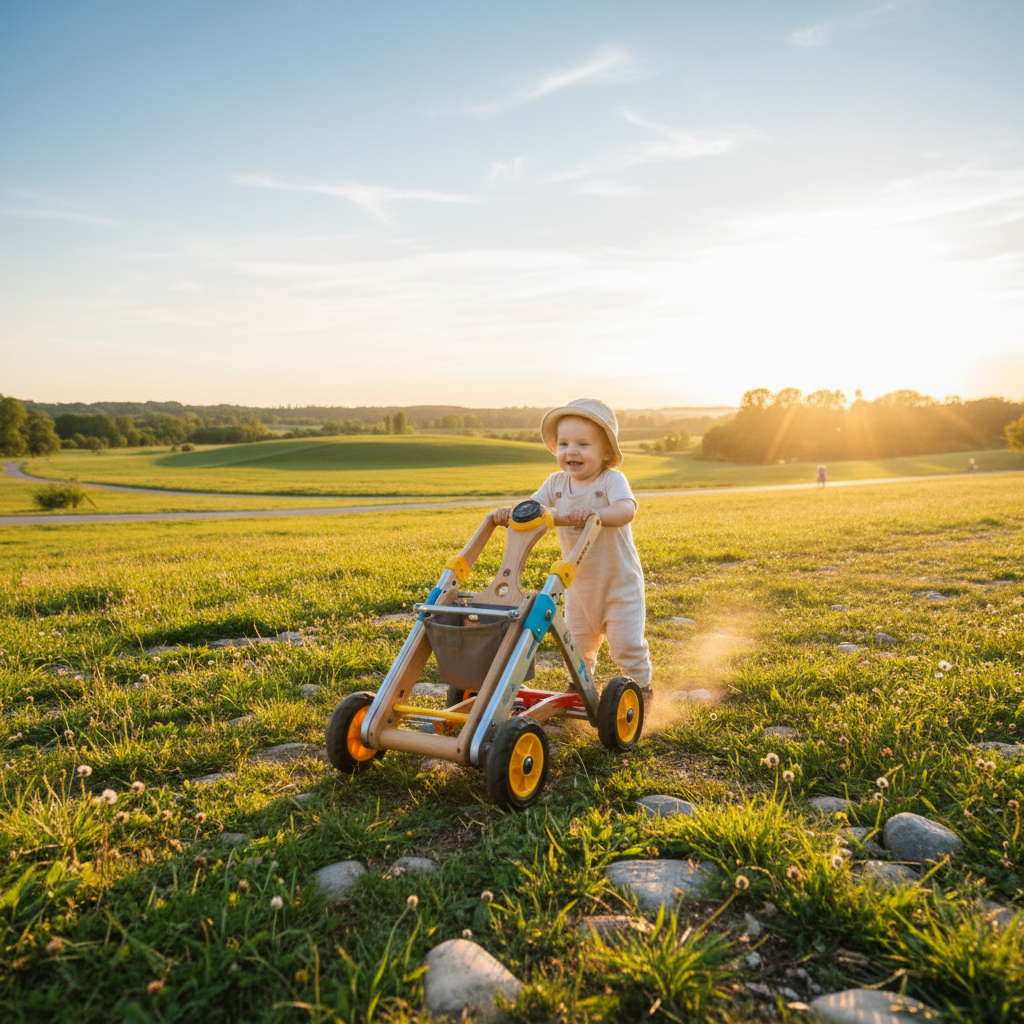
Addressing a challenge faced by many parents – the fear and frustration associated with teaching their children to ride a bicycle – the children balance bike offers a safe and effective solution. By removing the complexity of pedaling, children can focus solely on developing their balance, steering, and coordination, leading to a smoother and more enjoyable learning experience.
The Importance of Children Balance Bike
The growing recognition of the benefits of early balance skill development has driven the demand for children balance bikes. These bikes aren't just toys; they are tools designed to enhance a child's motor skills, spatial awareness, and overall physical literacy. This foundation is crucial for success in a wide range of activities, from sports and recreation to everyday life.
Investing in a children balance bike is an investment in a child’s future. The skills acquired translate into increased confidence, independence, and a lifelong love of physical activity. This active start helps to combat rising rates of childhood obesity and promotes healthy habits from a young age.
Defining Children Balance Bike
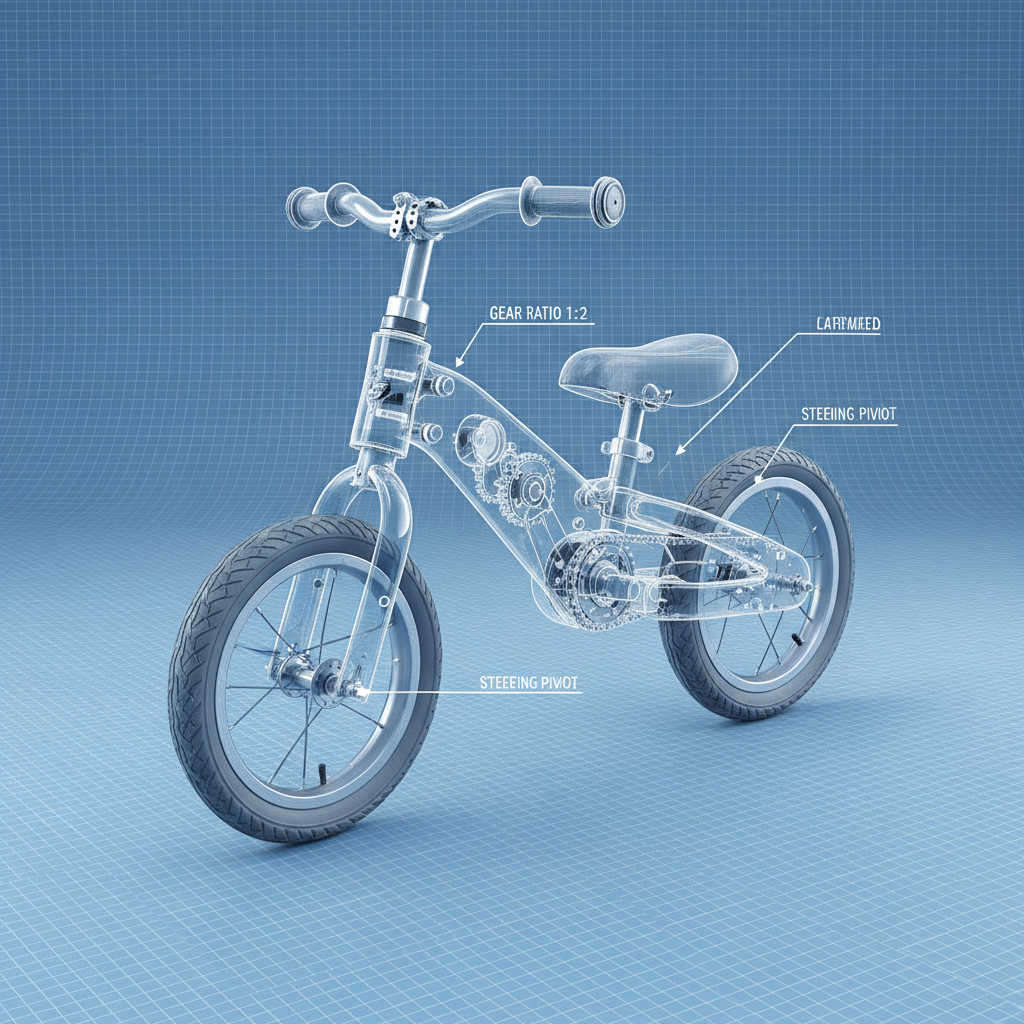
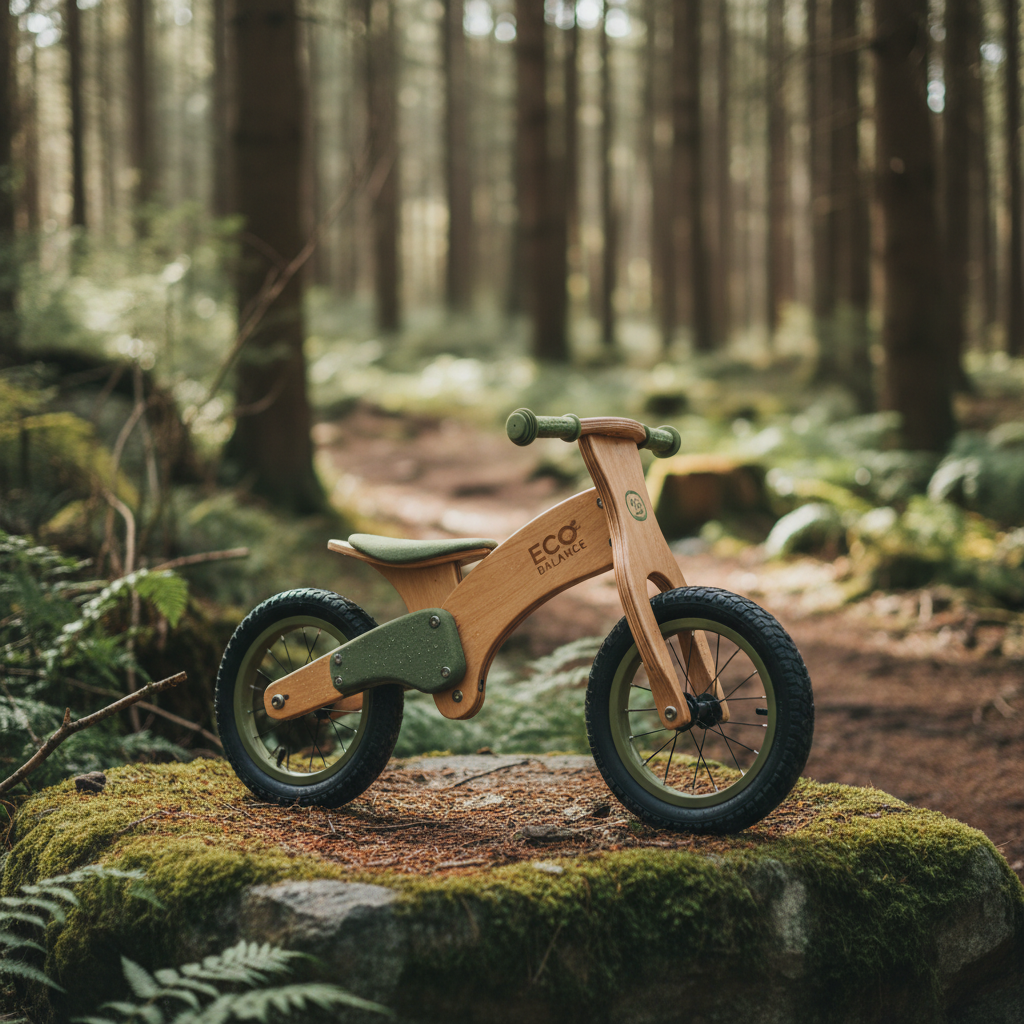
A children balance bike is a lightweight, pedal-less bicycle designed to allow children to learn to balance by using their feet to propel themselves forward. Unlike traditional bicycles with training wheels, balance bikes encourage children to develop their equilibrium naturally, creating a more intuitive and effective learning process.
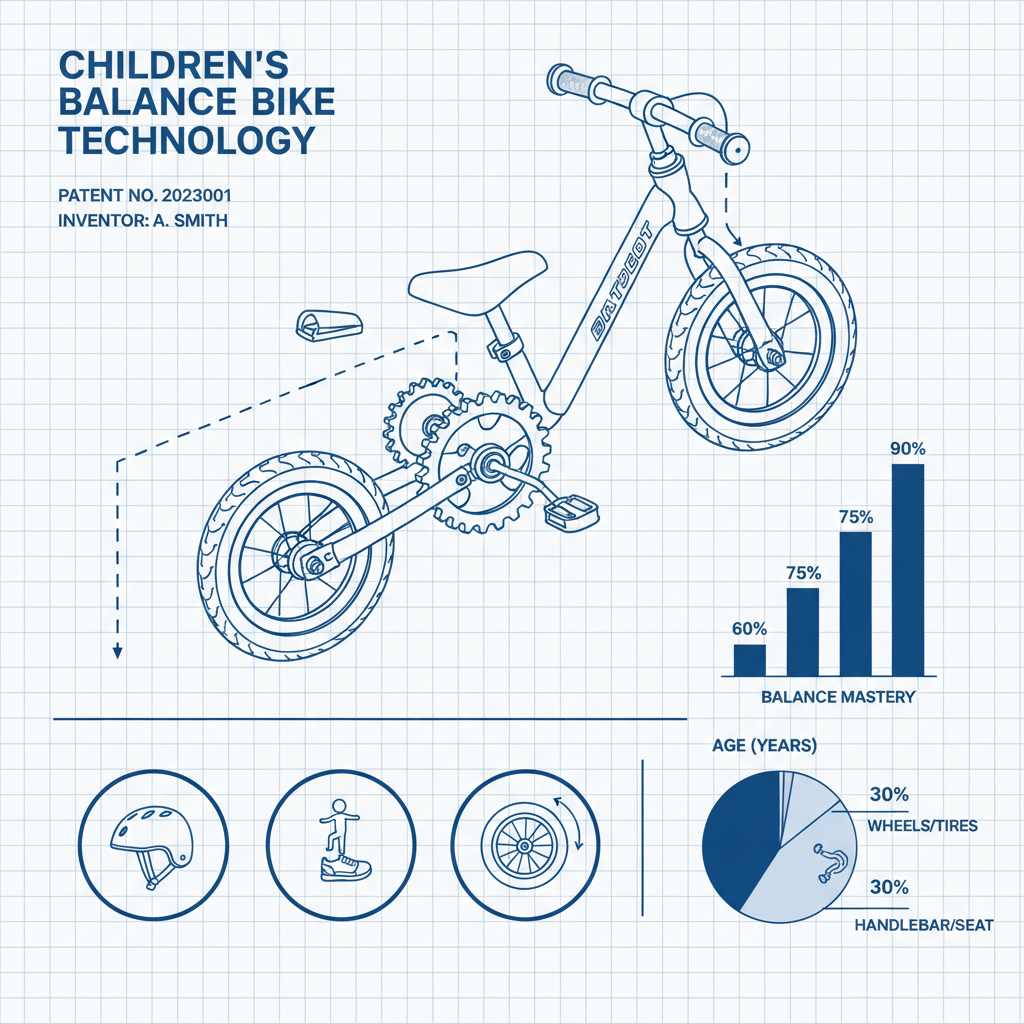
This approach is rooted in the understanding of how humans learn to balance – first mastering balance, then steering, and finally, pedaling. children balance bikes isolate the balance component, enabling children to progress at their own pace and build a strong foundation for future cycling success.
The simplicity of a balance bike connects it to fundamental principles of child development and motor skill acquisition. Its relevance extends beyond simply learning to ride; it’s about developing core competencies that contribute to a child’s overall physical and cognitive development.
Core Components of Effective Balance Bikes
Several key factors contribute to the effectiveness of a children balance bike. First, weight is critical – a lighter bike is easier for a child to maneuver and control. Secondly, adjustable seat height allows the bike to grow with the child, providing a comfortable and appropriate riding position.
Third, tire type influences ride comfort and traction. Pneumatic tires offer better shock absorption and grip, while solid tires are more durable and require less maintenance. Fourth, frame geometry plays a role in stability and handling, with a lower center of gravity generally providing more control.
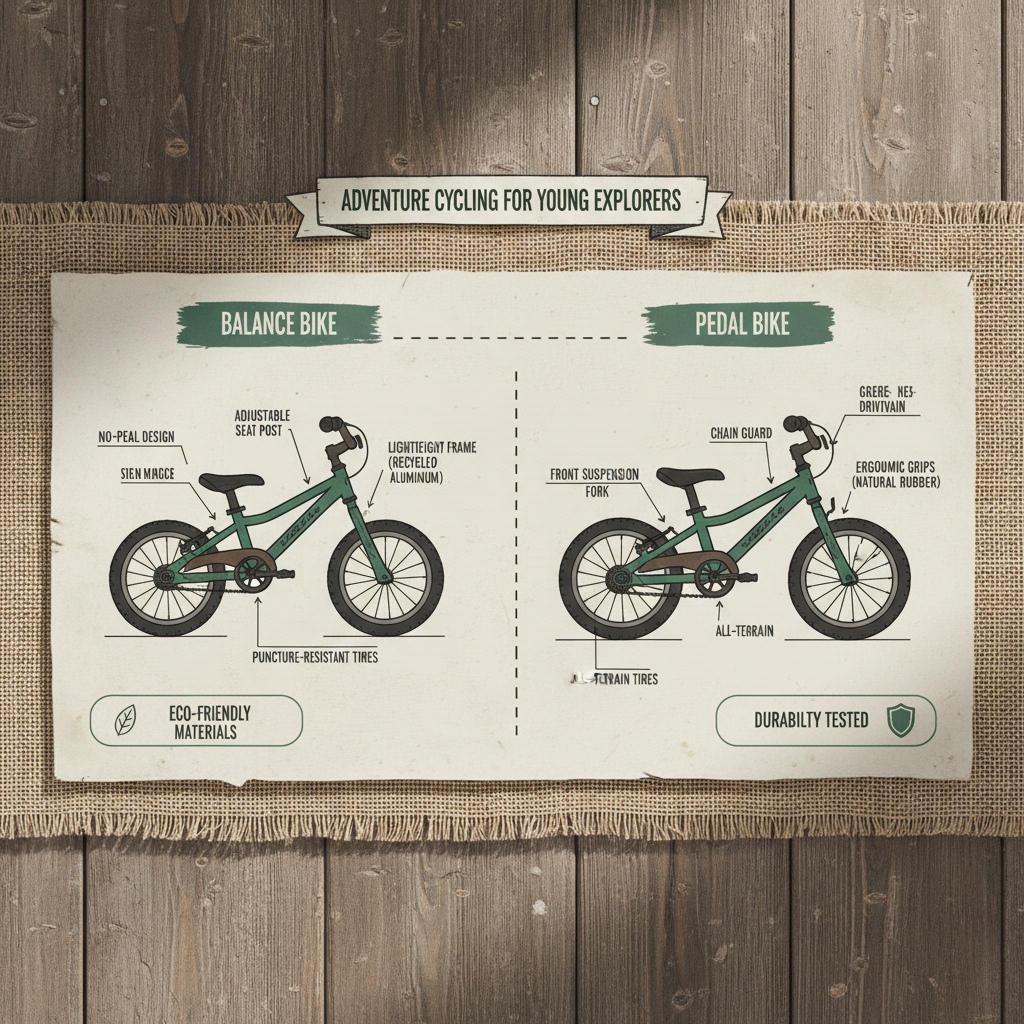
Finally, the quality of the braking system (if equipped) is important for safety. However, many balance bikes are designed without brakes, relying on the child's natural ability to use their feet to slow down and stop, further emphasizing the balance-focused learning process.
Global Applications and Use Cases
The use of children balance bikes extends far beyond individual recreational use. They are increasingly incorporated into early childhood education programs, preschools, and even physical therapy settings. These settings recognize the benefits of balance bike training in developing fundamental motor skills.
In several European countries, including Germany and Switzerland, balance bikes are becoming a standard part of preschool curricula, fostering active play and promoting physical literacy from a young age. North America is also witnessing increased adoption in schools and daycare centers, driven by similar educational benefits.
Furthermore, children balance bikes are gaining popularity in adaptive sports programs, providing a safe and accessible way for children with disabilities to experience the joy of cycling and develop essential motor skills. The simplicity of the design allows for modifications to accommodate diverse needs.
Comparative Assessment of children balance bike Models
Advantages and Long-Term Value
The advantages of using a children balance bike are numerous and extend beyond simply learning to ride. The faster learning curve reduces frustration for both child and parent. Furthermore, the development of balance and coordination gained through balance bike riding translates to improved performance in other physical activities.
From a long-term perspective, investing in a children balance bike can lead to a healthier, more active lifestyle for the child. The confidence and skills gained foster a lifelong love of cycling and promote physical well-being.
Future Trends and Innovations
The future of children balance bikes is poised for innovation, with a growing focus on sustainable materials and enhanced safety features. Manufacturers are exploring the use of recycled plastics and bamboo in bike construction, reducing environmental impact.
Furthermore, the integration of smart technology is emerging, with some models incorporating sensors to track riding progress and provide feedback to parents. This data-driven approach can help personalize the learning experience and optimize skill development.
We can anticipate more adjustable and lightweight designs, tailored to specific age groups and developmental stages. These advancements will further enhance the effectiveness and appeal of children balance bikes as a cornerstone of early childhood physical development.
Challenges and Solutions in Balance Bike Adoption
Despite the clear benefits, some challenges remain in widespread children balance bike adoption. One common concern is the perceived lack of safety, particularly regarding the absence of brakes on some models. However, this concern can be addressed through proper instruction and supervision.
Another challenge is cost, as higher-quality balance bikes can be relatively expensive. Solutions include promoting affordable options and exploring rental programs to make balance bikes more accessible to families.
Finally, educating parents and caregivers about the benefits of balance bike training is crucial. Demonstrations, workshops, and online resources can help overcome misconceptions and encourage the adoption of this effective learning method.
Key Considerations for Balance Bike Implementation
| Age Range |
Bike Weight (kg) |
Seat Height Adjustability (cm) |
Typical Cost (USD) |
| 18 months – 3 years |
2.5 – 3.5 |
30 – 40 |
50 – 100 |
| 2 – 4 years |
3.0 – 4.0 |
35 – 45 |
75 – 150 |
| 3 – 5 years |
3.5 – 4.5 |
40 – 50 |
100 – 200 |
| 4 – 6 years |
4.0 – 5.0 |
45 – 55 |
125 – 250 |
| 5 – 7 years |
4.5 – 5.5 |
50 – 60 |
150 – 300 |
| 6 – 8 years |
5.0 – 6.0 |
55 – 65 |
175 – 350 |
FAQS
Generally, children as young as 18 months can start using a children balance bike, as long as they can comfortably sit on the seat and place their feet flat on the ground. The key is to ensure they have the leg strength and coordination to propel themselves forward. Starting early allows them to develop balance skills naturally before introducing the complexities of pedaling. It’s about readiness, not age, but most children are ready between 18 months and 3 years.
children balance bikes are very safe for young children when used with appropriate supervision and safety gear. Because they are low to the ground, falls are typically minor. Choosing a bike with adjustable seat height and ensuring the child wears a properly fitted helmet are crucial. Teaching children how to safely slow down and stop using their feet is also essential for maximizing safety.
The learning curve for children balance bikes is generally quite short. Most children can master the basics of balancing and gliding within a few hours of practice. The transition to a pedal bike is often seamless, as they already have the fundamental balance skills needed, often requiring very little additional instruction.
Choosing the right size children balance bike is critical for a comfortable and effective learning experience. The child should be able to sit on the seat with their feet flat on the ground and a slight bend in their knees. Most manufacturers provide sizing guides based on inseam length, which is a helpful tool for determining the appropriate size.
Many children balance bikes do not have brakes, and that's often intentional. The goal is for children to learn to control their speed and stop using their feet, which further develops their balance and coordination. However, some models offer hand brakes for children who are ready for them, providing an added layer of control and safety.
children balance bikes offer significant advantages over traditional bikes with training wheels. Training wheels hinder the development of natural balance skills, while balance bikes encourage children to learn to balance intuitively. This leads to a faster and more confident transition to a pedal bike, without the need to unlearn the reliance on training wheels.
Conclusion
In conclusion, the children balance bike represents a significant advancement in early childhood cycling education. By prioritizing balance and coordination over the complexities of pedaling, these bikes empower children to learn to ride with confidence and enjoyment. The benefits extend beyond simply learning a skill; they encompass physical development, cognitive growth, and a lifelong love of active play.
Looking ahead, the continued innovation in materials, design, and technology will further enhance the effectiveness and accessibility of children balance bikes. We encourage parents and educators to embrace this approach to cycling education, fostering a generation of confident, skilled, and active riders. Visit our website today at www.gorgeousbike.com to explore our range of balance bikes and resources.