The world of mobility for children is constantly evolving, and at the heart of this evolution lies the humble children scooter. More than just a toy, a children scooter provides a foundation for developing crucial motor skills, encouraging outdoor activity, and fostering independence in young ones. As urbanization increases and lifestyles become more fast-paced, the demand for convenient and engaging transportation options for children continues to grow globally. Understanding the nuances of children scooter design, safety standards, and evolving trends is essential for parents, educators, and manufacturers alike.
Globally, the market for children scooters is experiencing significant expansion, driven by rising disposable incomes, increased awareness of the benefits of physical activity, and the desire for sustainable transportation solutions. According to recent reports, the global scooter market (including children's models) is projected to reach \$4.5 billion by 2028, demonstrating a considerable growth rate. However, this growth presents challenges, including ensuring product safety, addressing environmental concerns related to manufacturing, and making these options accessible to children from all socioeconomic backgrounds.
A children scooter, simply put, is a foot-powered vehicle designed for children, typically featuring a platform to stand on and handlebars for steering. They come in a variety of designs, ranging from simple two-wheeled models to more advanced three-wheeled scooters for younger children learning balance. Beyond recreation, children scooter are increasingly recognized as valuable tools for promoting active lifestyles and reducing reliance on car travel for short distances, aligning with broader sustainability goals and contributing to healthier communities.
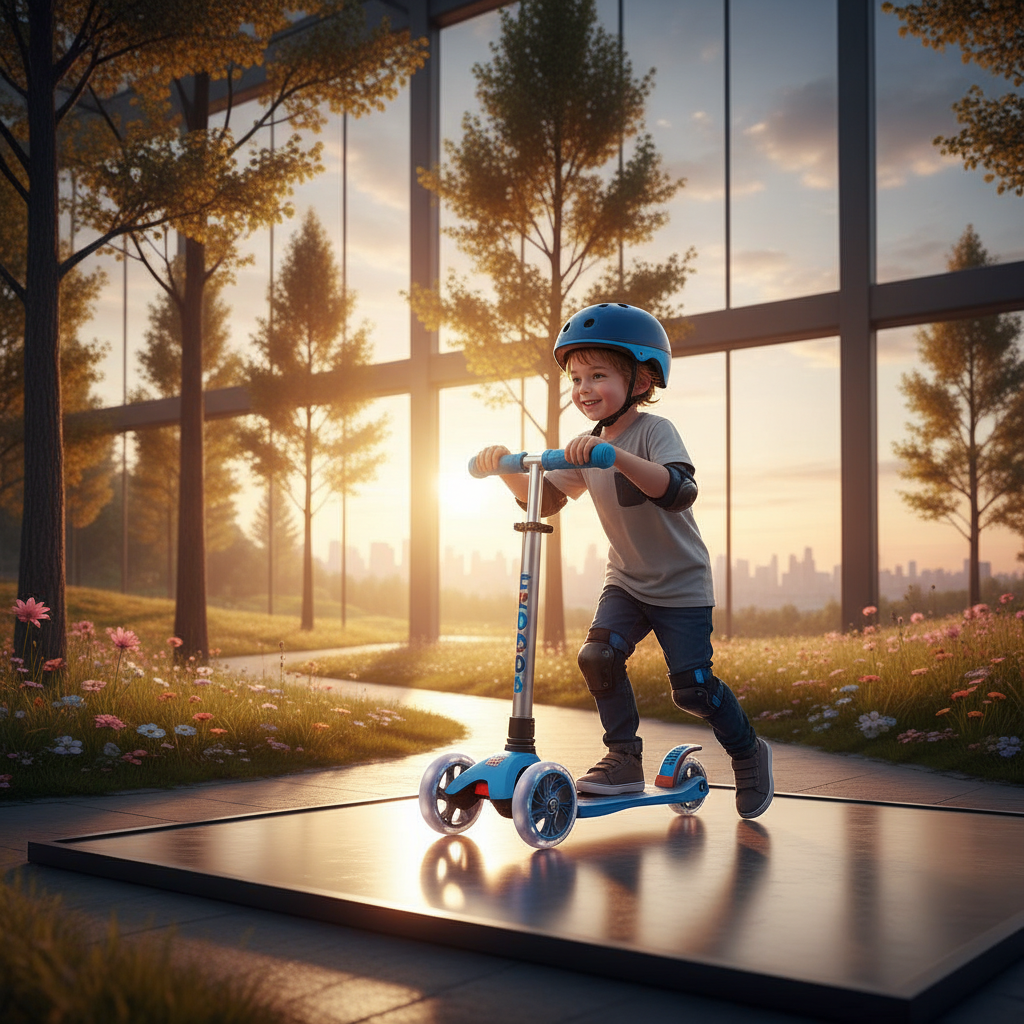
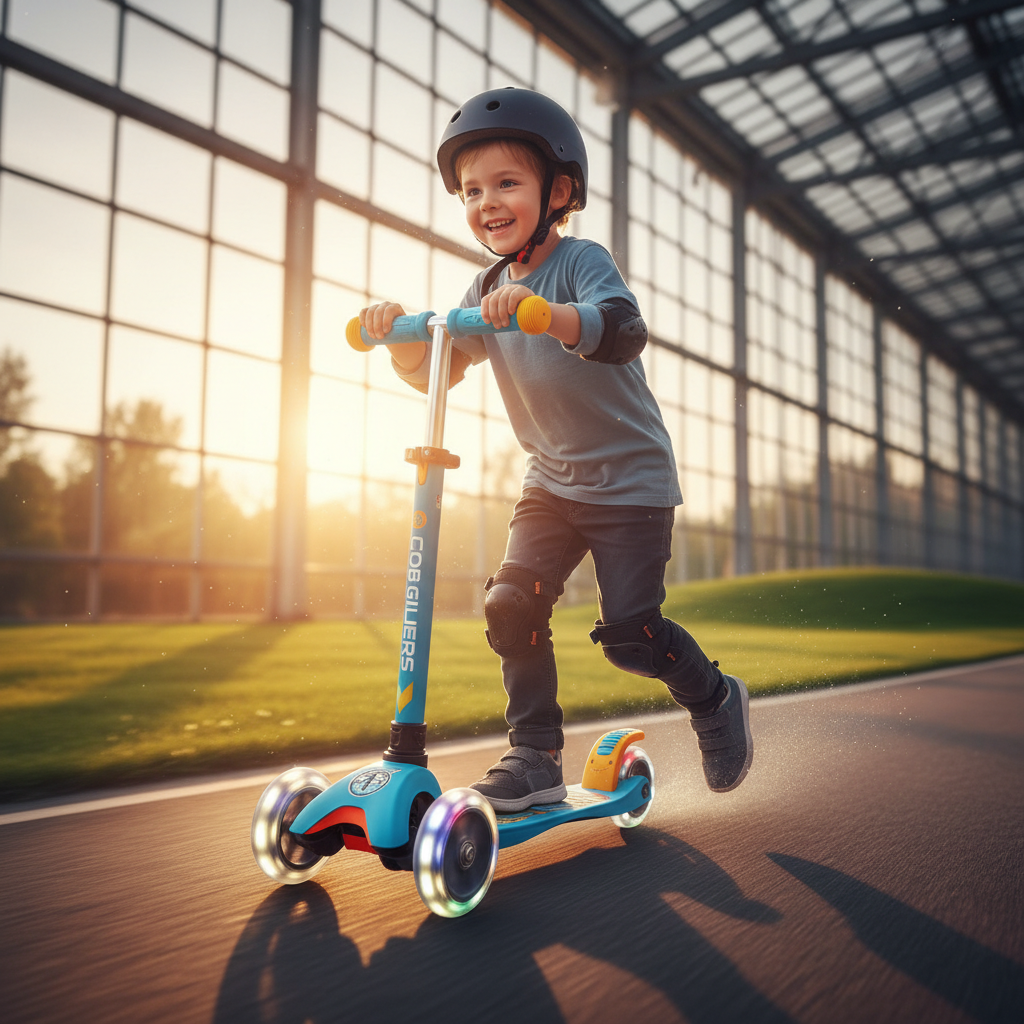
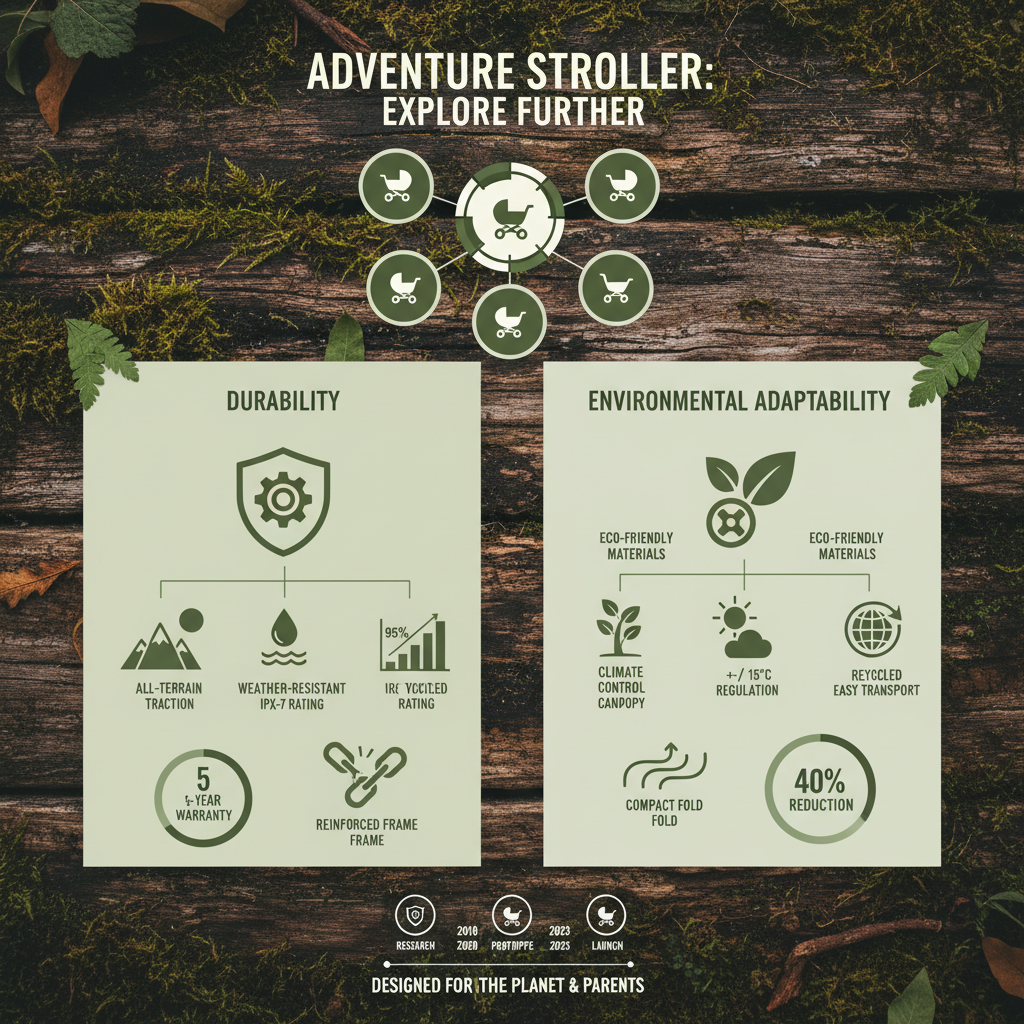
A key consideration when selecting a children scooter is its durability. Children aren't known for gentle handling, and a scooter must withstand daily use, bumps, and potentially rough terrain. Durable scooters are constructed with high-quality materials and robust designs that can resist wear and tear, ensuring a longer lifespan and better value for money.
Durability isn’t just about the materials used; it also involves the quality of construction. Look for scooters with reinforced frames, sturdy decks, and secure handlebar connections. A well-built scooter will not only last longer but also offer increased safety, reducing the risk of breakage or component failure during use.
Generally, children around 3-5 years old can begin riding a three-wheeled scooter to develop their balance and coordination. Two-wheeled scooters are typically suitable for children aged 5-8, once they have a good sense of balance. Always ensure the scooter is appropriately sized for your child and that they wear a helmet and protective gear.
Regularly inspect the scooter for any loose parts, such as handlebars, wheels, or brakes. Check the brakes to ensure they are functioning correctly. Make sure the deck has a non-slip surface. Always supervise young children while they are riding and ensure they wear a properly fitted helmet and protective gear.
Three-wheeled scooters offer more stability and are ideal for younger children who are just learning to balance. Two-wheeled scooters require more balance and coordination but allow for greater maneuverability. As a child's balance improves, they can transition from a three-wheeled to a two-wheeled scooter.
Electric scooters for children can be safe if they are designed with speed limits and safety features like automatic shut-off. However, it's crucial to supervise children closely while they are using an electric scooter and ensure they wear a helmet and protective gear. Always check local regulations regarding the use of electric scooters.
Store the children scooter in a dry, covered area to protect it from the elements. Avoid storing it in direct sunlight, as this can damage the plastic components. If possible, store it upright to prevent the wheels from becoming flat.
Always check the manufacturer’s specified weight limit before purchasing a scooter. Choosing a scooter with an appropriate weight limit ensures its structural integrity and safe operation. Exceeding the weight limit can lead to damage or failure, increasing the risk of injury.
In conclusion, the children scooter offers a multitude of benefits, ranging from promoting physical activity and developing motor skills to fostering independence and providing a sustainable transportation option. Choosing a durable, safe, and appropriately sized scooter is essential for ensuring a positive and enjoyable experience. Prioritizing safety gear and responsible riding habits are crucial for minimizing risks and maximizing the benefits.
Looking ahead, continued innovation in materials, technology, and design will undoubtedly shape the future of children scooter. By embracing these advancements and prioritizing safety, we can empower children to embrace active lifestyles and enjoy the freedom and fun that scooters provide. Visit our website at www.gorgeousbike.com to explore our range of high-quality children scooters.