The modern stroller is far more than just a means of transporting infants and young children. It represents a cornerstone of modern family life, facilitating mobility, independence, and social engagement for both parents and children. Globally, the demand for strollers is consistently high, fueled by rising birth rates in developing nations and an increasing emphasis on child safety and convenience in developed countries. The stroller market reflects broader societal trends, including a focus on active lifestyles, compact living, and innovative product design. Understanding the nuances of stroller design, functionality, and safety standards is crucial for manufacturers, retailers, and, most importantly, parents ensuring the well-being of their children.
The global stroller market is a multi-billion dollar industry, with significant growth projected in the coming years. According to market research reports, the Asia-Pacific region is currently the largest market for strollers, driven by population growth and increased disposable income. Europe and North America represent mature markets, characterized by a demand for premium, feature-rich strollers. The ISO standards relating to stroller safety are internationally recognized and ensure a baseline level of quality and security. The increasing awareness of ergonomic design and the need for strollers that adapt to various terrains are also key drivers.
A fundamental challenge lies in providing affordable yet safe and durable strollers to families in lower-income communities, both domestically and internationally. Many existing options are either prohibitively expensive or lack the necessary safety features. The development of sustainable and eco-friendly stroller designs, as well as innovative solutions for urban mobility, represents significant opportunities for growth and positive social impact. The stroller industry is therefore responding to both consumer demand and a broader call for responsible manufacturing and distribution.
The history of the stroller is surprisingly rich, evolving from elaborate carriages pushed by nannies to the lightweight, maneuverable designs we see today. Early precursors, dating back to the mid-18th century, were essentially adapted carriages, reflecting the social norms of the time. The true turning point came in the 19th century with the development of more practical and affordable models, driven by the needs of the growing middle class.
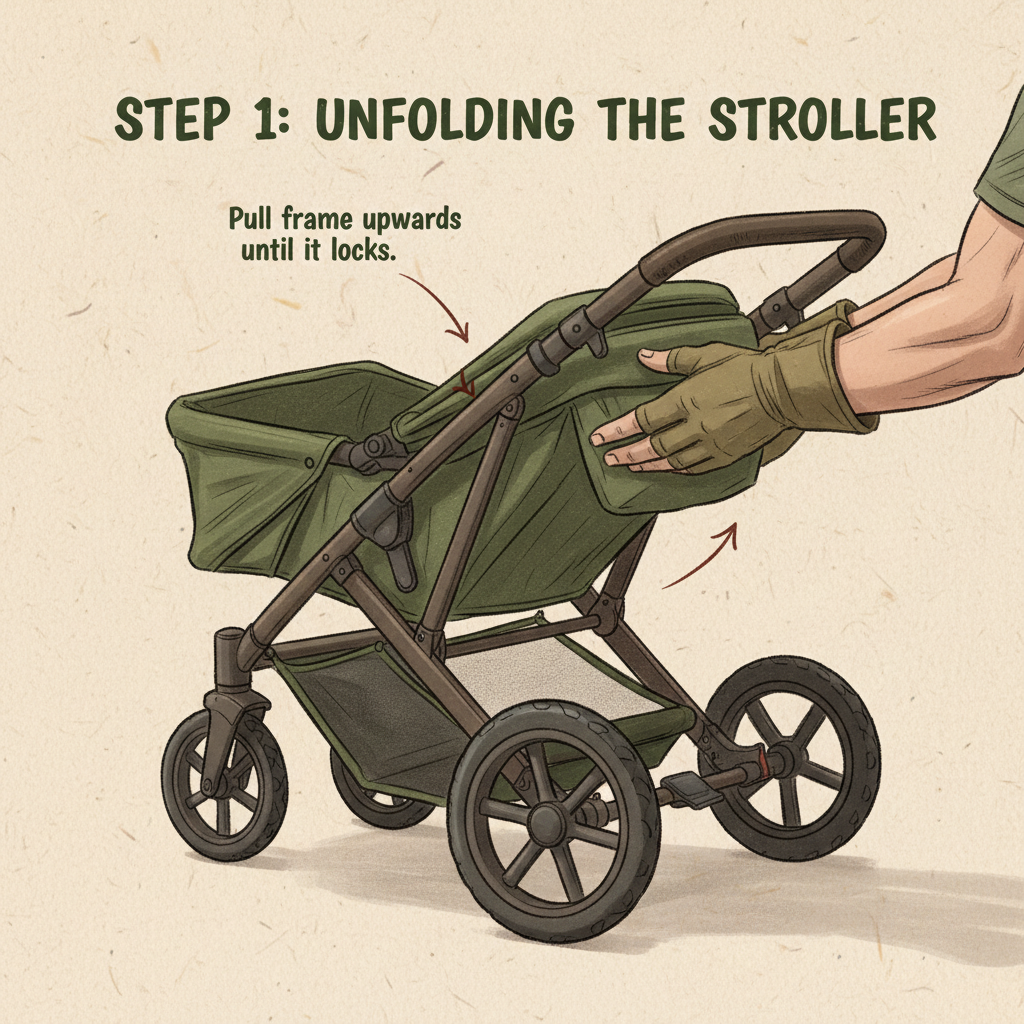
Throughout the 20th and 21st centuries, innovations in materials, engineering, and safety standards have revolutionized the stroller. The introduction of aluminum frames, adjustable handles, and folding mechanisms significantly enhanced usability and portability. Modern strollers prioritize safety features like five-point harnesses, robust braking systems, and impact-absorbing designs, ensuring the secure transport of children.
When choosing a stroller, prioritize safety features. A five-point harness is essential to secure your child, alongside a reliable braking system that locks all wheels. Check for stability—the stroller shouldn’t easily tip over. Look for certifications from reputable safety organizations. Finally, ensure the fabric is non-toxic and flame-retardant. Proper installation and regular checks are also crucial to maintaining these safety measures.
The best stroller depends on your lifestyle. For city dwellers, a lightweight and compact stroller is ideal for navigating public transport. Active parents may prefer a jogging stroller with suspension for running. If you need to transport multiple children, a double stroller is necessary. Travel systems, which include a car seat, are convenient for transitioning between car and stroller. Consider your typical terrain and usage scenarios when making your selection.
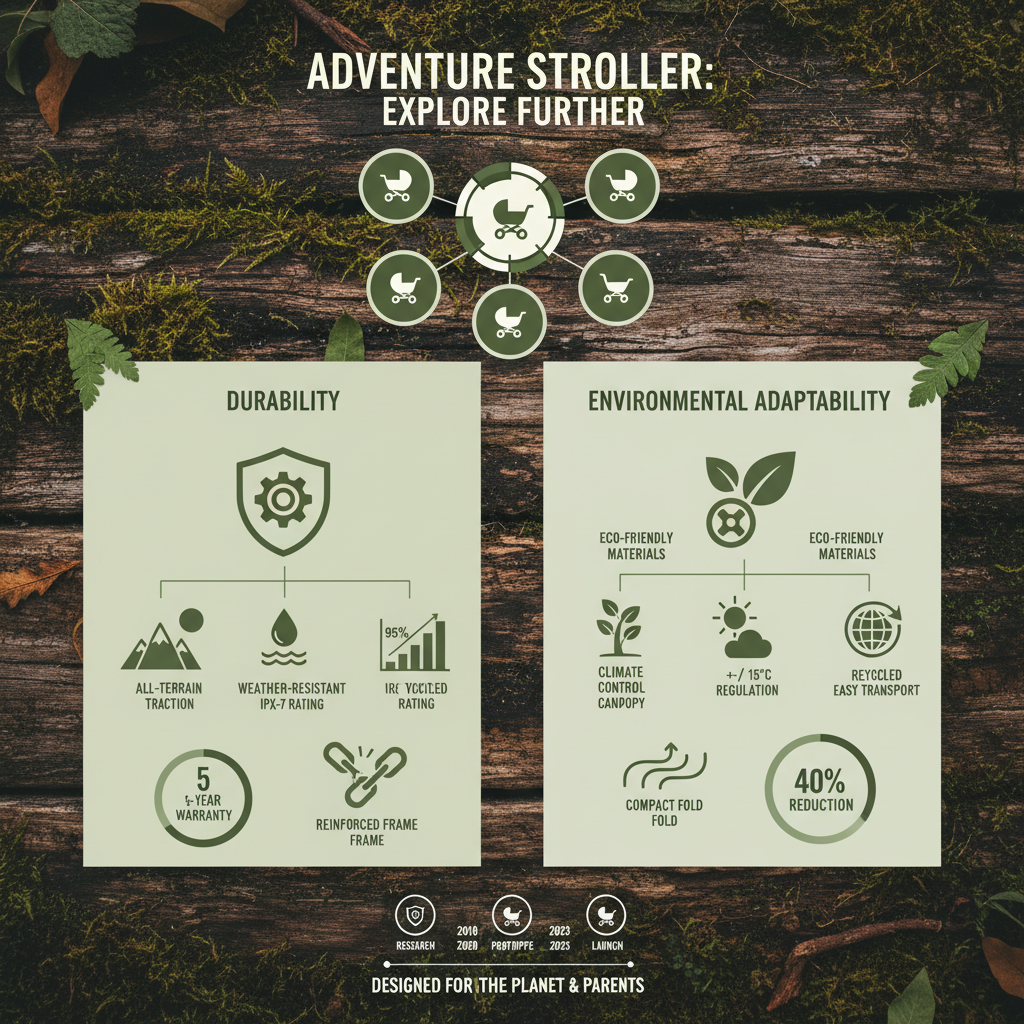
Stroller frames are typically made of aluminum or steel. Aluminum is lightweight and corrosion-resistant, while steel offers greater durability. Fabrics often include polyester, nylon, or canvas. For durability, look for strollers with aluminum frames, reinforced stitching, and water-resistant fabrics. High-density fabrics will also withstand wear and tear better over time. Check the manufacturer’s specifications for material details.
Stroller weight and maneuverability significantly impact usability. A lighter stroller is easier to lift, fold, and transport, particularly for frequent travelers. Maneuverability is enhanced by swivel front wheels and a smooth steering mechanism. Consider your physical strength and the typical environments where you'll use the stroller. A heavier stroller might be more stable but harder to maneuver in tight spaces.
With proper care, a well-maintained stroller can last for 5-10 years, or even longer. Regular cleaning, lubrication of moving parts, and prompt repair of any damage are crucial for extending its lifespan. Factors such as usage frequency, terrain, and storage conditions also play a role. Investing in a durable stroller with quality components can significantly increase its longevity.
Regular cleaning is essential. Wipe down the frame and fabric with a damp cloth and mild detergent. For stubborn stains, use a specialized stroller cleaner. Lubricate moving parts, such as wheels and hinges, with silicone spray. Check for loose screws or bolts and tighten them as needed. Store the stroller in a dry, covered location to protect it from the elements.
In conclusion, the stroller is an essential component of modern family life, representing a fusion of safety, convenience, and innovation. From its humble beginnings as an adapted carriage to its current state-of-the-art designs, the stroller has continually evolved to meet the changing needs of parents and children. Understanding its core components, global applications, and future trends is crucial for both manufacturers and consumers alike.
Looking ahead, the stroller industry is poised for further advancements in sustainability, technology, and personalization. Continued investment in research and development, coupled with a commitment to safety and affordability, will ensure that strollers continue to provide a valuable service to families around the world. Visit our website at www.gorgeousbike.com to explore our range of strollers and find the perfect fit for your family!