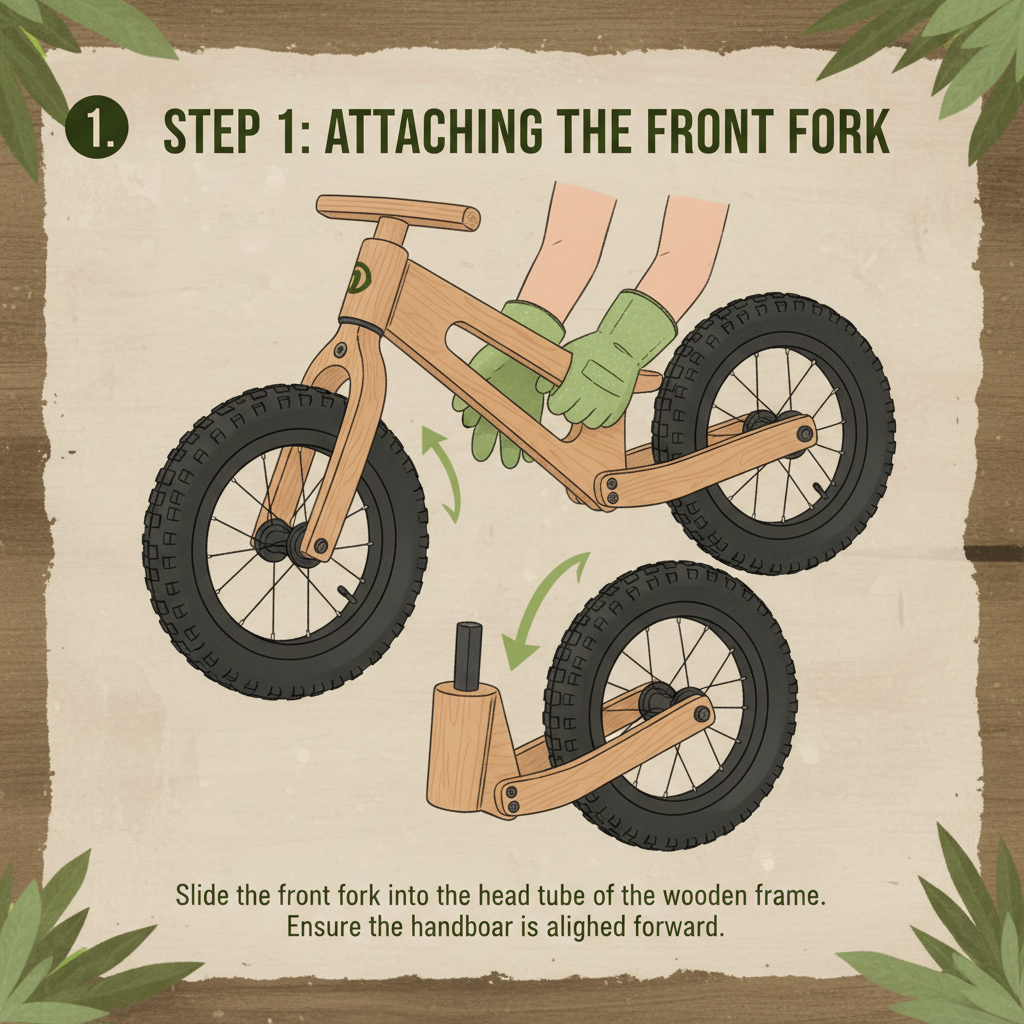
The global demand for safe, reliable, and affordable children's transportation is consistently high, driving the growth of the baby bike supplier industry. This demand is fueled by increasing parental awareness of the benefits of early physical activity, coupled with a desire for convenient and independent mobility for their young children. Understanding the intricacies of sourcing from a quality baby bike supplier is crucial for retailers, distributors, and even direct-to-consumer brands aiming to meet this expanding market.
The baby bike supplier landscape is evolving rapidly, with innovations in materials, design, and manufacturing processes constantly emerging. Competition is fierce, and businesses need to carefully vet potential suppliers to ensure product safety, compliance with international standards, and consistent quality. Selecting the right baby bike supplier is no longer simply about price; it’s about building a sustainable and trustworthy partnership.
A reliable baby bike supplier isn't merely a manufacturer; they are a vital component of the entire supply chain, impacting brand reputation, customer satisfaction, and ultimately, business success. This exploration delves into the critical aspects of identifying, evaluating, and collaborating with effective baby bike suppliers to navigate this dynamic industry.
The Importance of Baby Bike Supplier Selection
Selecting the right baby bike supplier is a foundational decision for any business involved in the children’s product market. A strong supplier relationship directly impacts product quality, safety, and ultimately, consumer trust. Neglecting this aspect can lead to costly recalls, damage to brand reputation, and loss of market share.
The complexity of modern supply chains necessitates a thorough vetting process. Factors beyond just cost – such as ethical sourcing, sustainable manufacturing practices, and adherence to stringent safety standards – are now paramount considerations when choosing a baby bike supplier.
Defining a Baby Bike Supplier
A baby bike supplier is a company specializing in the manufacturing and distribution of bicycles designed for infants and toddlers. These suppliers typically offer a range of products, including balance bikes, tricycles, and early-rider bicycles with training wheels, catering to different developmental stages. They may operate as Original Equipment Manufacturers (OEMs) producing bikes under another brand’s label, or as Original Design Manufacturers (ODMs) creating their own designs.
The role of a baby bike supplier extends beyond simply manufacturing the product. They are often involved in research and development, quality control, packaging, and logistics. A truly comprehensive baby bike supplier will also provide support with regulatory compliance, ensuring products meet safety standards in various international markets.
In today's interconnected world, a baby bike supplier can range from a local manufacturer to a global enterprise, highlighting the need for businesses to conduct extensive due diligence to ensure they’re partnering with a reliable and trustworthy source.
Core Components of a Successful Baby Bike Supplier
Several key components define a successful baby bike supplier. Firstly, Product Safety and Compliance is paramount. Suppliers must adhere to rigorous safety standards such as EN 71 in Europe, ASTM F963 in the US, and relevant national regulations. Secondly, Manufacturing Capabilities are crucial, including access to advanced machinery, skilled labor, and efficient production processes.
Thirdly, Quality Control systems must be robust and consistent, encompassing all stages of production – from raw material sourcing to final product inspection. Fourthly, Communication and Responsiveness are vital for effective collaboration. A good supplier will be proactive, transparent, and readily available to address concerns and provide updates.
Finally, Supply Chain Management expertise ensures timely delivery and efficient logistics. This includes managing inventory, coordinating transportation, and handling customs clearance. A reliable baby bike supplier understands the importance of a streamlined supply chain.
Global Applications of Baby Bike Suppliers
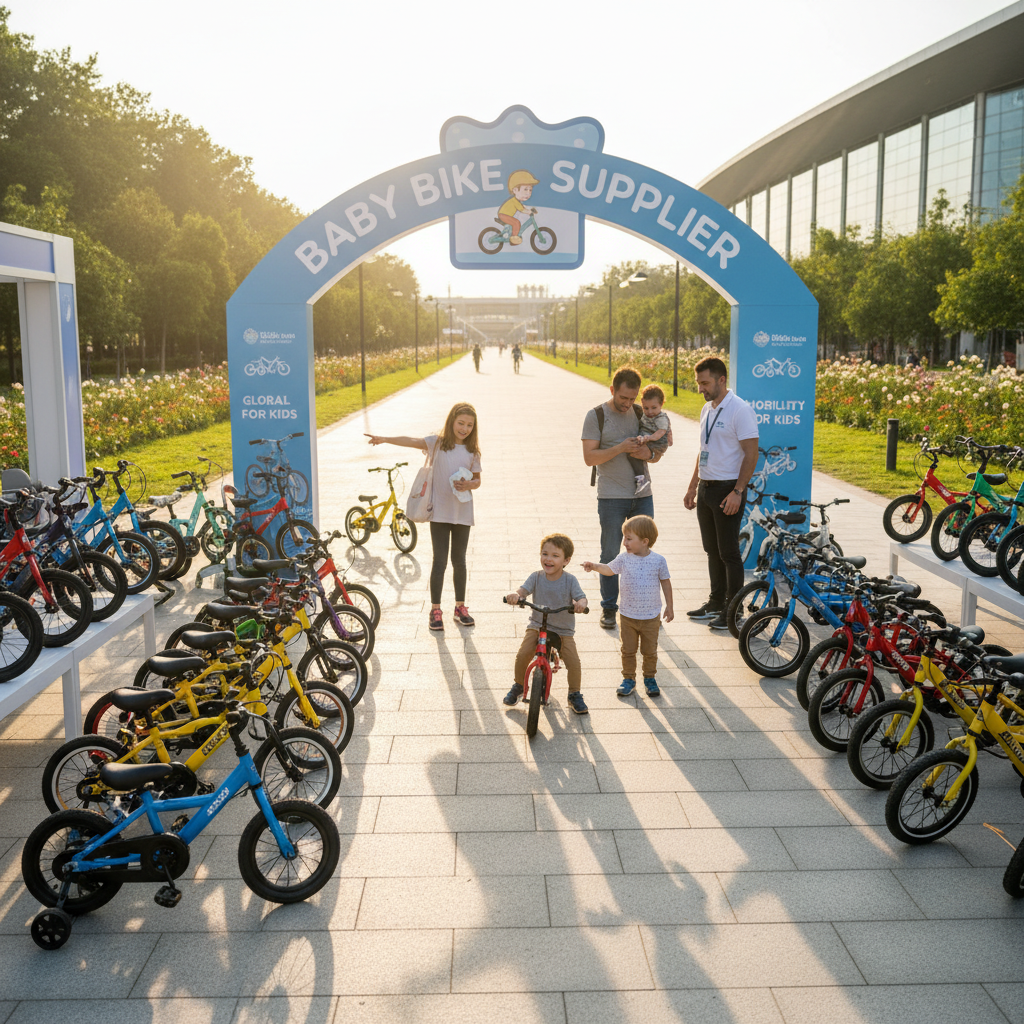
Baby bike suppliers operate on a global scale, serving diverse markets with varying needs and preferences. In Europe and North America, demand is strong for high-quality, innovative designs with a focus on safety and sustainability. Emerging markets in Asia and Latin America often prioritize affordability and durability.
These suppliers cater to a wide range of clients, including large retail chains, online marketplaces, independent bike shops, and direct-to-consumer brands. They often provide customized solutions, offering options for branding, packaging, and product specifications.
In post-disaster relief operations, simple, robust balance bikes can provide children with a sense of normalcy and promote physical activity in challenging circumstances. In remote industrial zones, baby bike suppliers contribute to the accessibility of safe and reliable transportation for young families.
Baby Bike Supplier Performance Metrics
Advantages and Long-Term Value
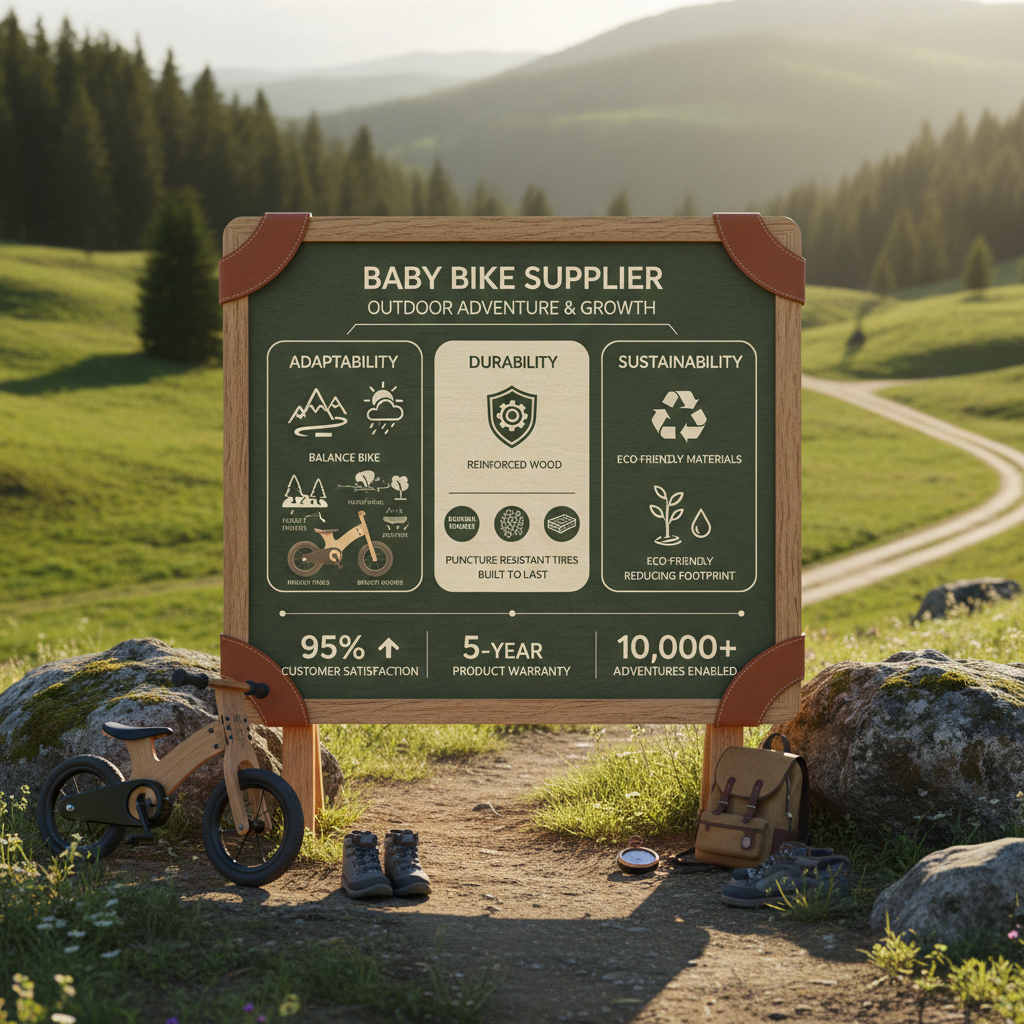
Partnering with a reputable baby bike supplier delivers numerous advantages. Cost efficiency is a key benefit, particularly through economies of scale and optimized manufacturing processes. Sustainability is also increasingly important, with suppliers adopting eco-friendly materials and reducing their carbon footprint.
From a social impact perspective, choosing a supplier committed to ethical labor practices and fair wages is crucial. Reliability and consistency in product quality build customer trust and enhance brand reputation. The long-term value extends beyond immediate cost savings to encompass a strengthened supply chain and a more sustainable business model.
Future Trends in the Baby Bike Supplier Industry
The baby bike supplier industry is poised for continued innovation. We can anticipate increased use of lightweight, durable materials like carbon fiber and advanced plastics. Smart bike technology, incorporating sensors and connectivity features, is also emerging.
Digital transformation, including the adoption of AI-powered design and manufacturing processes, will further enhance efficiency and customization. Sustainability will remain a key driver, with a focus on circular economy principles and responsible sourcing of materials.
Challenges and Solutions for Baby Bike Suppliers
Baby bike suppliers face challenges such as fluctuating raw material costs, increasing regulatory scrutiny, and intense competition. Maintaining consistent quality across large production volumes is another hurdle.
Solutions include diversifying sourcing strategies, investing in advanced quality control systems, and embracing digital technologies to optimize operations. Building strong relationships with key suppliers and fostering a culture of continuous improvement are also essential.
Adopting lean manufacturing principles and implementing robust risk management plans can help mitigate disruptions and ensure business resilience. The key is for baby bike suppliers to be adaptable and proactive in responding to evolving market dynamics.
Summary of Key Challenges and Solutions for Baby Bike Suppliers
| Challenge |
Impact on Suppliers |
Proposed Solution |
Implementation Timeline |
| Raw Material Price Volatility |
Reduced profit margins, unpredictable costs |
Diversified sourcing, long-term contracts |
6-12 months |
| Stringent Safety Regulations |
Increased compliance costs, potential recalls |
Investment in quality control systems, regulatory expertise |
Ongoing |
| Intense Market Competition |
Price erosion, reduced market share |
Product differentiation, innovation, strong branding |
Continuous |
| Quality Control Consistency |
Defective products, customer dissatisfaction |
Automated inspection systems, employee training |
3-6 months |
| Supply Chain Disruptions |
Production delays, inventory shortages |
Redundant sourcing, strategic inventory management |
Ongoing |
| Labor Costs & Availability |
Increased production costs, skills gap |
Automation, employee training & retention programs |
12-18 months |
FAQS
When evaluating a baby bike supplier, prioritize certifications like EN 71 (European Safety Standard), ASTM F963 (US Toy Safety Standard), and ISO 9001 (Quality Management System). These certifications demonstrate a commitment to safety, quality control, and ethical manufacturing practices. Verifying these certifications ensures the products meet stringent requirements and reduces the risk of recalls or safety concerns. A reputable baby bike supplier will readily provide documentation for these credentials.
Typical lead times for orders from a baby bike supplier can vary significantly depending on factors like order quantity, customization requirements, and the supplier's production capacity. Generally, expect a lead time of 30-60 days for standard orders. Customized orders or large-volume requests may require 60-90 days or more. Open communication with your baby bike supplier is crucial to establish realistic timelines and manage expectations effectively.
Ensuring ethical sourcing requires thorough due diligence. Ask your baby bike supplier about their labor practices, including wages, working conditions, and adherence to fair trade principles. Look for suppliers with certifications like SA8000 or WRAP, which demonstrate a commitment to social responsibility. Conduct factory audits to verify compliance and ensure transparency throughout the supply chain.
When negotiating pricing, consider factors beyond the unit cost, such as minimum order quantities (MOQs), payment terms, shipping costs, and potential discounts for volume purchases. Focus on building a long-term relationship based on mutual trust and fair pricing. Be transparent about your budget and requirements, and be prepared to compromise to reach a mutually beneficial agreement with your baby bike supplier.
A robust quality control system is essential. Your baby bike supplier should have procedures in place for inspecting raw materials, monitoring production processes, and conducting final product testing. Look for evidence of adherence to quality standards like ISO 9001 and ask about their defect rate and corrective action processes. Consider conducting your own independent quality inspections for added assurance.
Communication is paramount. A responsive and transparent baby bike supplier will keep you informed about production progress, potential delays, and any changes to specifications. Regular communication fosters trust and allows for proactive problem-solving. Clear communication channels, including email, phone, and video conferencing, are essential for maintaining a strong supplier relationship.
Conclusion
In conclusion, navigating the landscape of baby bike suppliers requires a strategic approach. Prioritizing safety, quality, ethical sourcing, and robust communication are fundamental to building a successful and sustainable partnership. Selecting the right supplier isn’t just about cost; it's about ensuring a reliable supply of high-quality products that meet the needs of your customers and uphold your brand's reputation.
Looking ahead, the industry will continue to evolve with advancements in materials, technology, and sustainability practices. By staying informed about these trends and proactively collaborating with your supplier, you can position your business for long-term success. For reliable and innovative baby bike solutions, visit our website today: www.gorgeousbike.com.