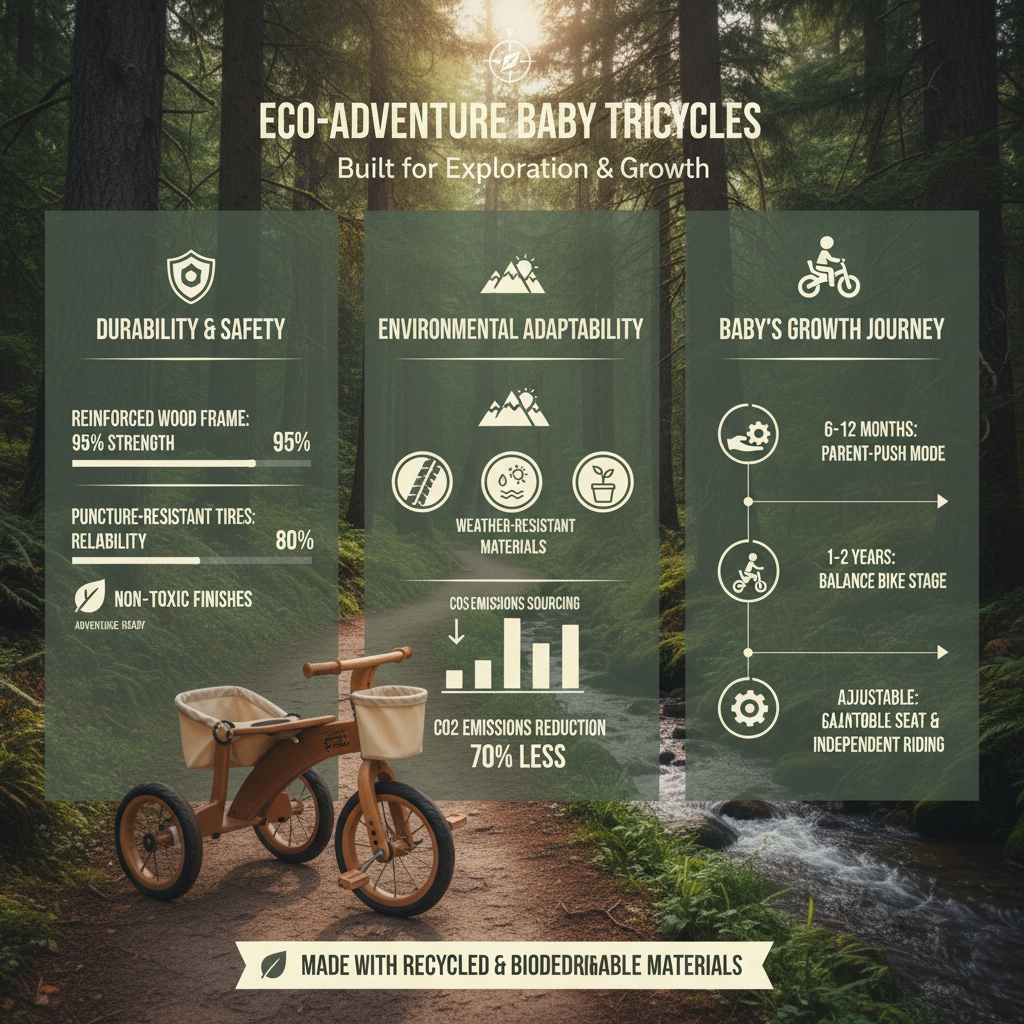
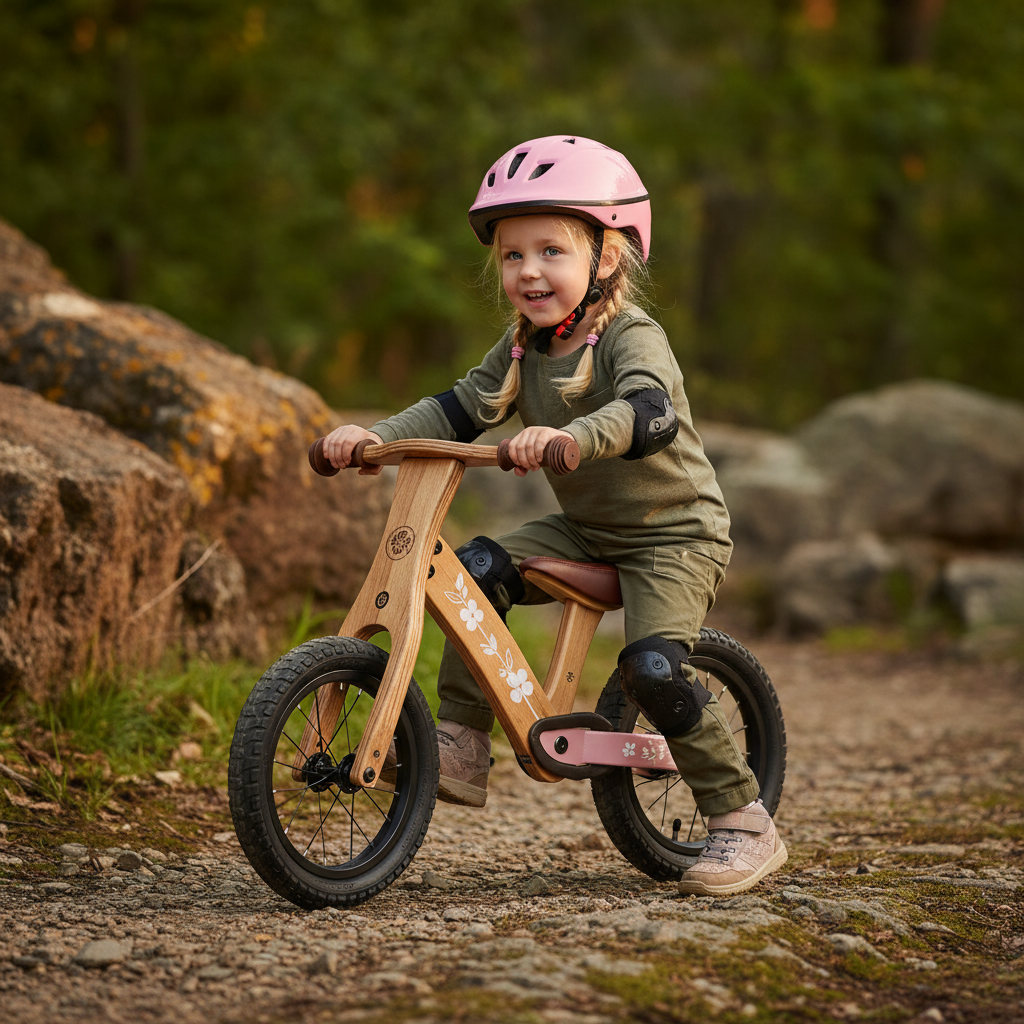
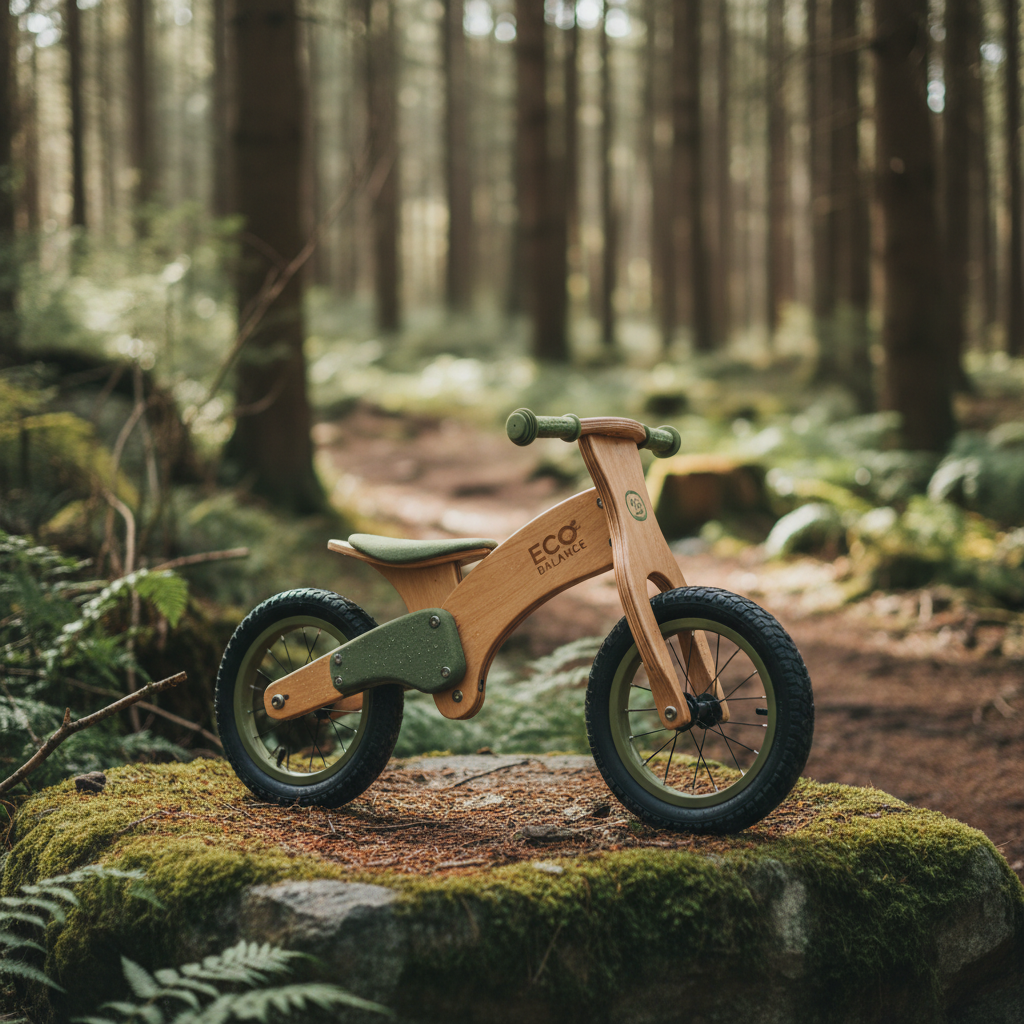
The enduring appeal of the baby tricycle lies in its ability to foster early childhood development, promoting physical activity, coordination, and a sense of independence. From classic designs to modern innovations, the baby tricycle remains a cherished first vehicle for countless children worldwide, representing a joyful step towards mobility and exploration. It’s more than just a toy; it’s a tool for growth and discovery.
Globally, the demand for safe and reliable baby tricycle options is consistently high, driven by increasing parental awareness of the benefits of outdoor play and physical development in early childhood. Market trends reveal a growing preference for durable materials, enhanced safety features, and designs that encourage prolonged engagement. This demand spans across diverse socio-economic backgrounds and geographical locations.
The continued relevance of the baby tricycle stems from its ability to address fundamental developmental needs. It's a simple yet effective solution for encouraging gross motor skills, building confidence, and promoting a healthy lifestyle from a young age. This makes it a vital component in supporting the holistic development of children around the globe.
The Evolution of Baby Tricycle Design
The modern baby tricycle has evolved considerably from its early predecessors. Initially, designs focused on simple, three-wheeled configurations, often constructed from wood or basic metal frames. Over time, innovations in materials and engineering have led to lighter, more durable, and ergonomically designed tricycles that prioritize child comfort and safety.
Contemporary baby tricycles often incorporate features like adjustable seats and handlebars, push handles for parental assistance, and innovative steering mechanisms. The trend is toward designs that promote independent pedaling, build core strength, and foster a child's natural desire for exploration and mobility.
Materials and Manufacturing Processes
The choice of materials significantly impacts the quality, durability, and safety of a baby tricycle. High-grade steel frames provide robust support, while lightweight aluminum alloys offer a balance of strength and portability. Plastic components, particularly in seats and handles, are often made from durable, non-toxic materials like polypropylene.
Manufacturing processes typically involve welding, cutting, molding, and assembly. Modern manufacturers employ strict quality control measures at each stage to ensure that all components meet safety standards and performance specifications. Sustainable manufacturing practices, such as reducing waste and using recycled materials, are becoming increasingly prevalent.
The use of powder coating for frames provides enhanced corrosion resistance and a visually appealing finish. Tires are commonly made from durable rubber compounds designed to provide good traction and withstand wear and tear. The selection of these materials is crucial for ensuring a long-lasting and safe product.
Safety Standards and Regulations
Safety is paramount in the design and manufacture of baby tricycles. Numerous international safety standards, such as those established by ASTM International and EN 71, govern aspects like frame stability, braking performance, and material toxicity. Compliance with these standards is essential for market access and consumer trust.
Regulatory bodies in different countries enforce these standards through testing and certification processes. Manufacturers are required to demonstrate that their products meet specific criteria related to structural integrity, pinch points, and potential hazards. Regular inspections and quality audits are also common practices.
Furthermore, features like chain guards, non-slip pedals, and rounded edges are incorporated into designs to minimize the risk of injury. Parental supervision is always recommended, but adherence to safety standards provides an important baseline level of protection for young riders.
Performance Metrics for Baby Tricycles
Evaluating the performance of a baby tricycle involves considering several key metrics. Stability is crucial, ensuring the tricycle remains upright even during turns and on uneven surfaces. Maneuverability determines how easily a child can steer and control the vehicle.
Durability is assessed by testing the frame's resistance to bending, breaking, and corrosion. Pedaling efficiency relates to how easily a child can propel the tricycle forward. These metrics are often measured through laboratory testing and real-world trials.
Baby Tricycle Performance Ratings
Global Market Distribution Networks
The baby tricycle market relies on a complex network of distributors, retailers, and online platforms. Manufacturers typically work with regional distributors who then supply products to various retail outlets, including toy stores, department stores, and sporting goods stores.
E-commerce platforms have become increasingly important channels for distribution, allowing manufacturers to reach a wider customer base directly. Logistics and supply chain management are crucial for ensuring timely delivery and minimizing transportation costs.
The Role of Innovation in Baby Tricycle Development
Ongoing innovation is driving improvements in baby tricycle design and functionality. The integration of lightweight materials, adjustable features, and enhanced safety mechanisms reflects a commitment to providing a superior riding experience for young children.
Emerging trends include the development of smart tricycles with integrated sensors and connectivity features, offering parents insights into their child's activity levels and progress. Sustainable manufacturing practices and the use of eco-friendly materials are also gaining traction.
Future advancements may focus on incorporating augmented reality elements to enhance the play experience and promote cognitive development.
Long-Term Durability and Maintenance
Maximizing the longevity of a baby tricycle requires proper maintenance. Regular cleaning, lubrication of moving parts, and inspection for wear and tear are essential. Storing the tricycle indoors or in a covered area helps protect it from the elements.
High-quality materials and construction techniques contribute to long-term durability. Powder-coated frames resist corrosion, while durable tires withstand repeated use. Simple repairs, such as tightening bolts and replacing worn parts, can often extend the tricycle's lifespan.
Following the manufacturer’s recommendations for maintenance and weight limits helps ensure safe and reliable performance over time.
Summary of Key Maintenance Aspects for Baby Tricycles
| Maintenance Task |
Frequency |
Difficulty Level (1-5) |
Required Tools/Materials |
| Tire Inflation Check |
Weekly |
1 |
Pump |
| Chain Lubrication |
Monthly |
2 |
Chain Lube |
| Bolt Tightening |
Bi-Monthly |
2 |
Wrench Set |
| Frame Cleaning |
Weekly |
1 |
Soap and Water |
| Brake Inspection |
Monthly |
3 |
Wrench, Brake Adjustment Tools |
| Wheel Alignment Check |
Semi-Annually |
4 |
Wrench Set, Alignment Tools |
FAQS
Generally, children are developmentally ready for a baby tricycle around 2-3 years old, when they have sufficient leg strength and coordination. However, it depends on individual child development. Some children may be ready earlier, while others may need a little more time. Look for signs like walking independently, showing interest in pedaling motions, and the ability to follow simple instructions.
When selecting a baby tricycle, ensure your child can comfortably sit on the seat with their feet flat on the pedals in the lowest position. The tricycle should allow for a slight bend in their knees when pedaling. Check the manufacturer’s size recommendations based on height or age as a starting point, but always prioritize a comfortable and secure fit.
Essential safety features include a wide wheelbase for stability, a low center of gravity, a secure seat with a safety harness or strap, and a chain guard to prevent clothing from getting caught. Look for tricycles that meet relevant safety standards (ASTM, EN71). Consider a tricycle with a parent push handle for added control, especially for younger riders.
Regular maintenance is crucial for safety. Inspect the tricycle weekly for loose bolts, worn tires, and smooth pedal action. Lubricate the chain monthly. Check the brakes regularly. Store the tricycle indoors when not in use to protect it from the elements. Refer to the manufacturer's instructions for specific maintenance guidelines.
No, baby tricycles vary in design and features. There are traditional pedal tricycles, push-along tricycles with parental handles, and convertibles that can be used as both a stroller and a tricycle. Some have adjustable features for growing children, while others are designed for specific terrains or skill levels.
Start in a safe, flat area away from traffic. Encourage your child to practice pedaling with their feet on the pedals while you provide support. Gradually reduce your assistance as they gain confidence and balance. Make it fun and encouraging, and celebrate their successes! Always supervise your child while they are riding.
Conclusion
The baby tricycle remains an indispensable tool for fostering early childhood development, offering a safe, enjoyable, and effective way for children to build physical skills, confidence, and a lifelong love of movement. Its evolution reflects ongoing innovation in materials, design, and safety features, ensuring that each generation benefits from a superior riding experience.
Investing in a quality baby tricycle is an investment in your child's future well-being. By prioritizing safety, choosing the right size and features, and providing consistent encouragement, you can help your child embark on a journey of exploration, independence, and joyful discovery. Visit our website at www.gorgeousbike.com to explore our range of baby tricycles and find the perfect fit for your little one.