The world of children's recreation is constantly evolving, and the children skateboard has emerged as a popular and engaging activity for kids of all ages. This isn't just about fun; it’s about fostering physical activity, building confidence, and developing crucial coordination skills. Understanding the nuances of choosing the right children skateboard, ensuring safety, and promoting proper technique is paramount for both parents and young riders.
Globally, skateboarding's popularity continues to surge, fueled by its inclusion in the Olympics and a growing youth culture embracing action sports. Data from industry reports shows a consistent increase in skateboard sales, particularly in the children's segment. This demand highlights a need for accessible information and quality equipment that caters specifically to young learners.
However, with increased participation comes a greater responsibility to prioritize safety. Injuries are a concern, and a lack of awareness regarding protective gear and proper training can lead to accidents. This underscores the importance of educating parents and children about best practices for enjoying this thrilling activity responsibly and maximizing the benefits of a children skateboard.
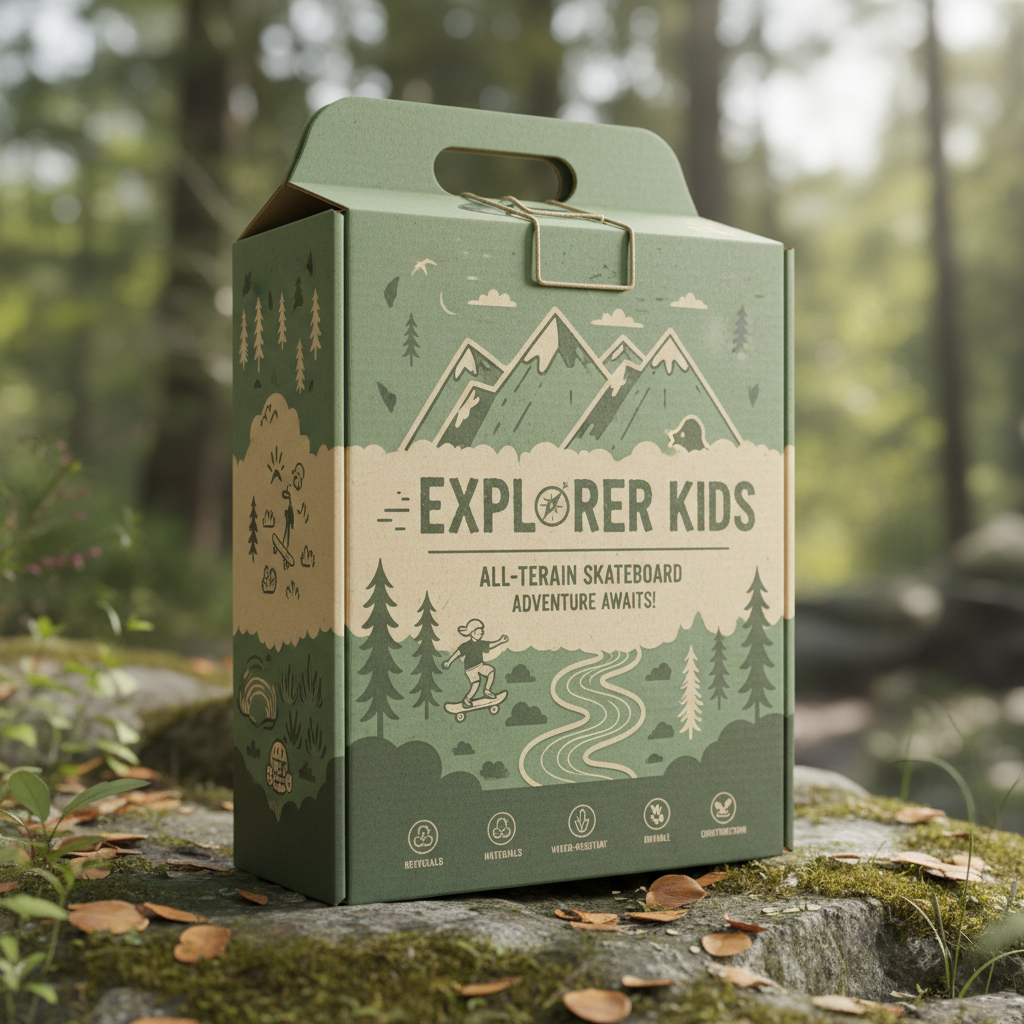
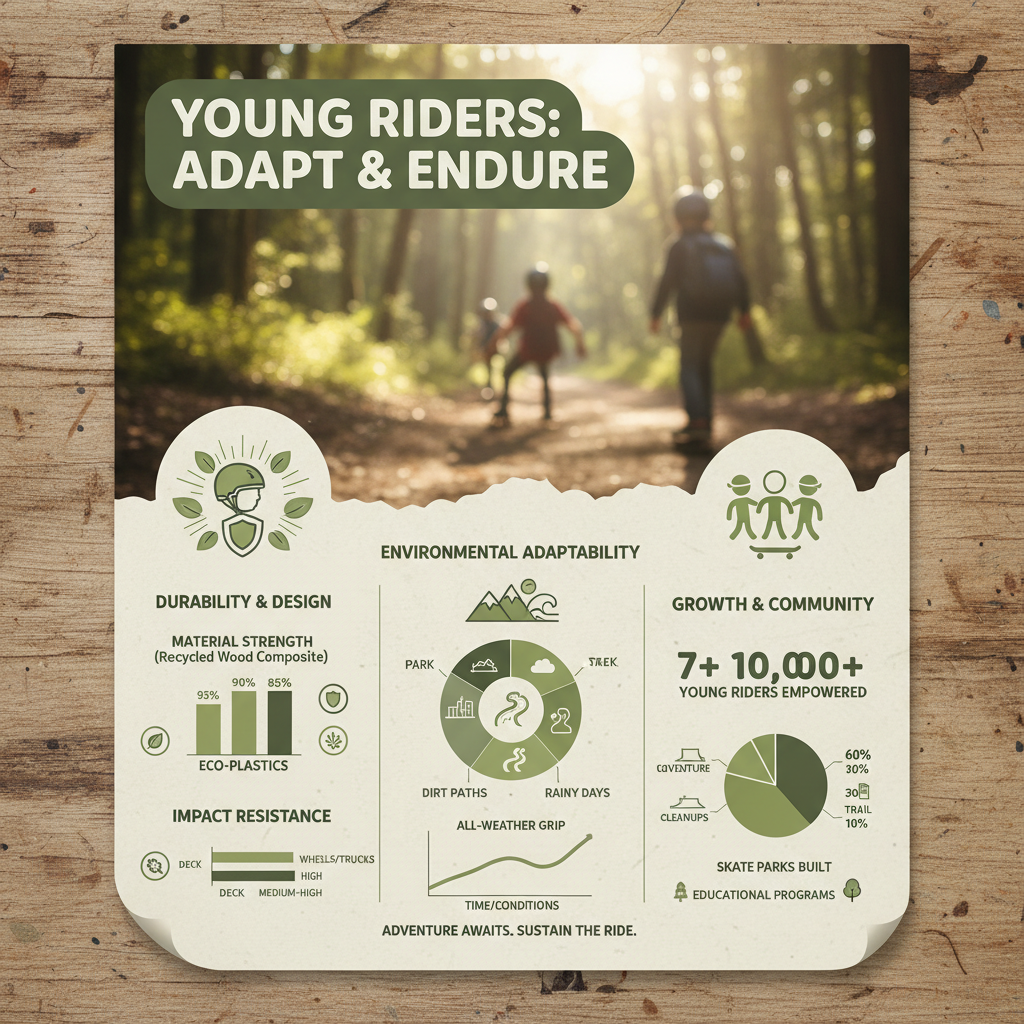
Safety is paramount when introducing a child to skateboarding. Beyond the children skateboard itself, essential safety gear includes a properly fitted helmet, knee pads, elbow pads, and wrist guards. These protect against common injuries like scrapes, bruises, and fractures.
Supervision is also crucial, especially for beginners. Parents should encourage skateboarding in designated areas, like skate parks or smooth, flat surfaces away from traffic. Teaching children basic safety rules, such as looking before they push off and being aware of their surroundings, will establish a foundation for safe and enjoyable skateboarding.
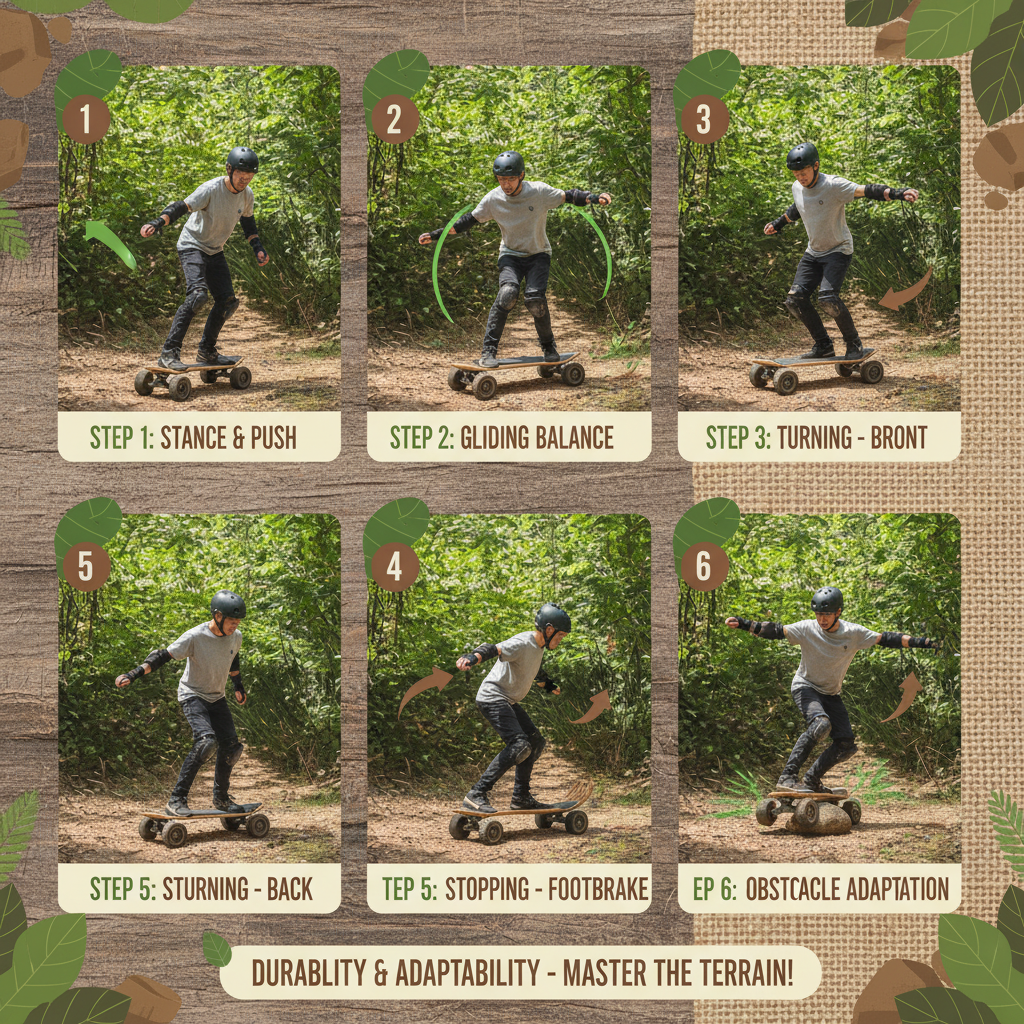
Generally, children around 5-6 years old can begin learning the basics of skateboarding, but it’s crucial to start with a smaller board and focus on balance and coordination. Close supervision and proper safety gear are paramount at this age. Prioritize a controlled learning environment and simple skills like pushing and gliding before attempting more complex maneuvers. A children skateboard designed for beginners is ideal.
A helmet is non-negotiable. It’s the most important piece of protective gear. Knee pads, elbow pads, and wrist guards are also highly recommended, especially for beginners. Properly fitted gear can significantly reduce the risk of injuries from falls. Skate shoes with flat soles provide better grip and board feel, further enhancing safety and control when using a children skateboard.
The lifespan of skateboard wheels depends on the frequency of use and the surfaces skated on. Rough surfaces will wear wheels down faster. As a general rule, replace wheels when they become significantly worn, develop flat spots, or lose their grip. Regularly inspect the wheels for damage and consider replacement every 6-12 months for moderate use of a children skateboard.
Start with the basics: balance, pushing, and gliding. Find a smooth, flat surface away from traffic. Encourage small steps and celebrate successes. Avoid rushing into tricks; focus on building a solid foundation. Consider enrolling in a skateboarding lesson with a qualified instructor. Positive reinforcement and a supportive attitude are key to fostering a love for skateboarding on their children skateboard.
Wheel hardness is measured on the durometer scale. Softer wheels (78A-87A) are better for rough surfaces and provide a smoother ride, ideal for beginners. Harder wheels (95A-101A) are faster and better for smooth surfaces, suitable for more experienced skaters. For a child learning, starting with softer wheels on their children skateboard is generally recommended.
Properly tightened trucks are crucial for stability and control. Too loose, and the board will feel wobbly and unstable. Too tight, and it will be difficult to turn. Adjusting the trucks requires finding the right balance. A good starting point is to tighten them enough so the board doesn't wobble excessively but still allows for comfortable turning while riding a children skateboard.
In conclusion, the children skateboard offers a wealth of benefits – from promoting physical activity and coordination to fostering creativity and self-confidence. However, prioritizing safety, understanding the components, and choosing the right equipment are paramount for a positive and enjoyable experience.
As skateboarding continues to gain popularity globally, providing access to quality equipment, comprehensive safety education, and supportive learning environments will be crucial for nurturing the next generation of skaters. Visit our website at www.gorgeousbike.com to explore our range of children's skateboards and safety gear and embark on this exciting adventure with confidence!