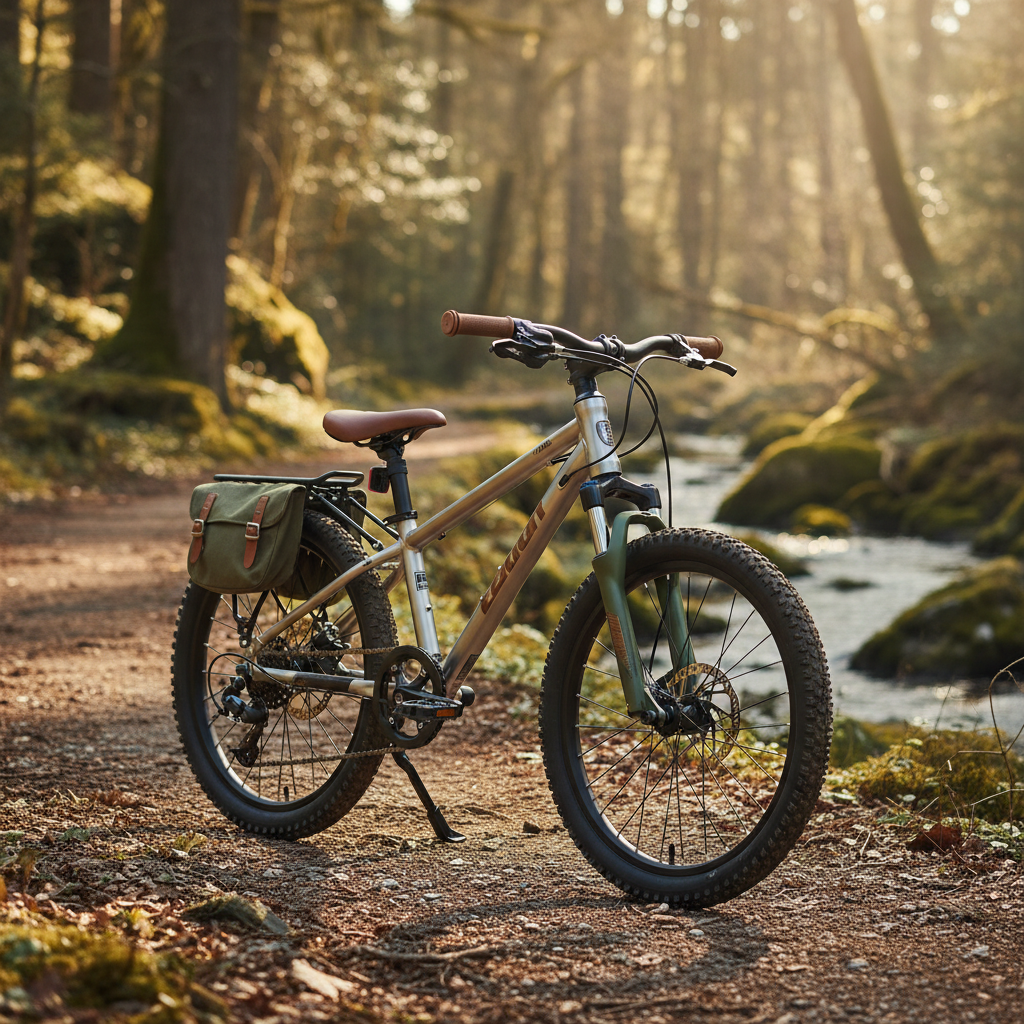
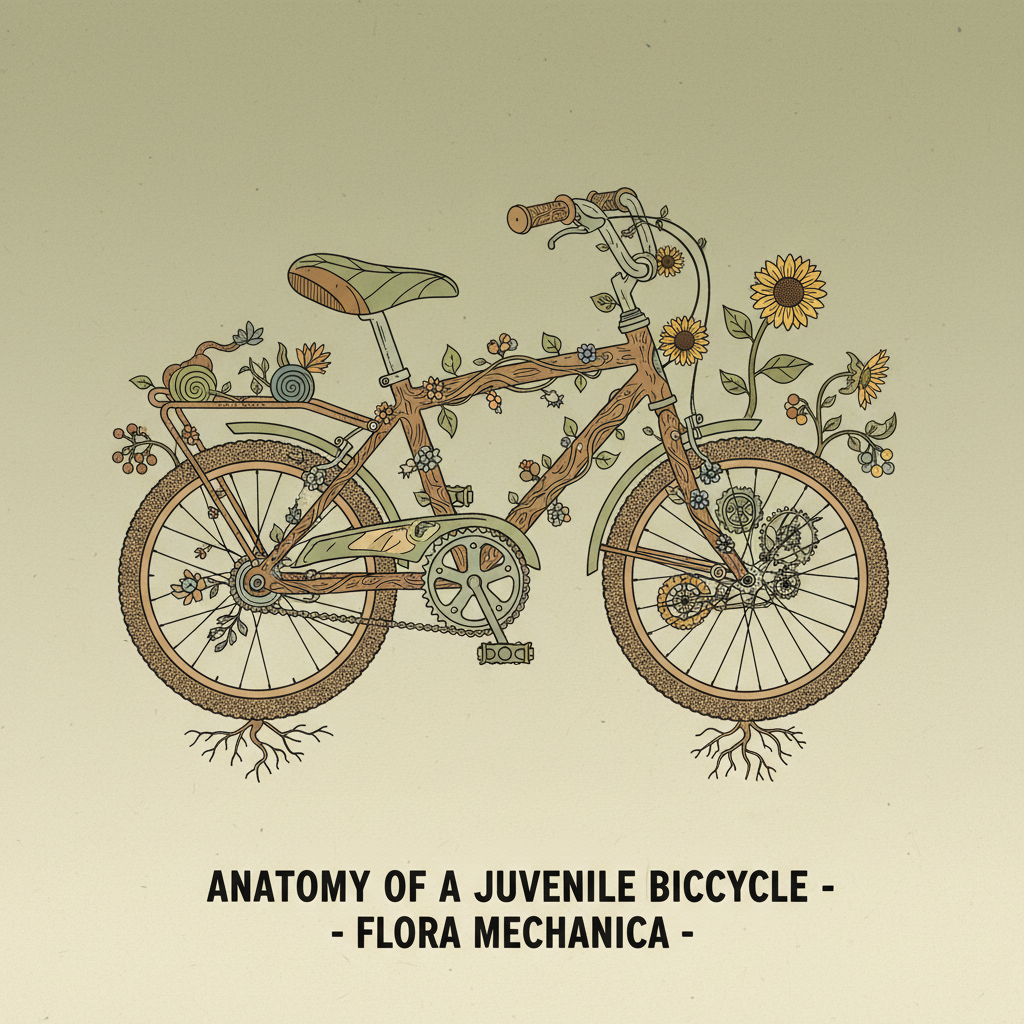
Look, these children bicycle… they're not what they used to be. Everyone's chasing lightweight these days, right? Carbon fiber everywhere. To be honest, it's a bit much. I was at a factory in Suzhou last month, and they were bragging about a frame that weighs less than a feather. But try telling that to a kid bouncing down a curb. They need something solid.
Have you noticed how every new model has a different bottom bracket standard? It’s madness! Engineers love tinkering, I get it, but it makes life hell for the mechanics. And the parents? They just want something that works and doesn’t bankrupt them every time a part breaks.
Really, it all comes down to practicality. I spent a week last year with a bunch of kids testing prototypes in a park in Beijing. You learn a lot watching them just… use things. It's never how you expect.
The Growing Demand for Durable Children Bicycle
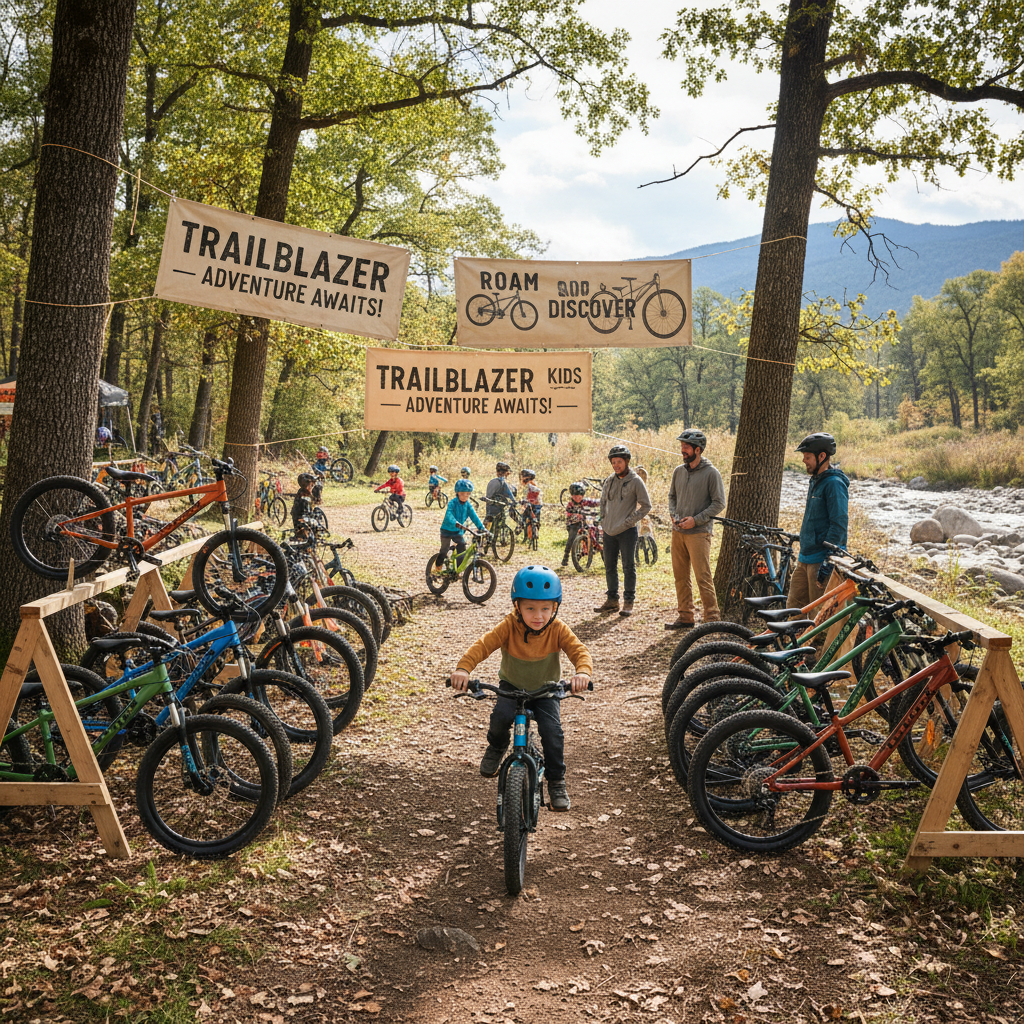
These days, everyone wants a children bicycle that can handle anything. I mean, kids are rough on things, right? It’s not just about getting from A to B; it's about conquering the driveway, surviving the park, and looking good doing it. The demand for something that’s both light and tough is insane.
Strangely, there's a push for more tech. Integrated lights, electronic shifting… Do kids really need that? I’m not so sure. I encountered this at a trade show in Shanghai last year – a bicycle with a built-in GPS tracker. Overkill, if you ask me.
Defining the Modern Children Bicycle
A modern children bicycle isn’t just a smaller version of an adult one. It’s… different. The geometry has to be right. The reach, the stack, the standover height. It's all got to be scaled properly for little bodies. You can’t just shrink everything down proportionally. That’s a recipe for disaster.
It also means thinking about components. Brakes that are easy to reach, gears that are easy to shift, grips that fit small hands. It sounds simple, but getting it right is surprisingly difficult. I’ve seen too many bikes with levers that require a grown-up’s grip strength to operate.
Really, it’s about building confidence. A bicycle that feels right, that fits well, that’s easy to control… that’s a bicycle a kid will love to ride. And that’s what it’s all about, isn’t it?
Core Components and Material Considerations
Let’s talk materials. Aluminum is the workhorse. It’s affordable, relatively lightweight, and doesn’t rust. But it can feel a bit… flexy. Steel is more durable, but heavier. Carbon fiber? Expensive and prone to cracking if not properly cared for. I prefer a good quality aluminum alloy for most kids' bikes. It strikes a good balance.
The tires are crucial. You want something with good grip and a bit of cushioning. Those slick, hard tires are just asking for a tumble. And the saddle… oh, the saddle. It needs to be comfortable! I swear, some manufacturers just grab whatever’s cheapest. Anyway, I think a good saddle makes all the difference. It’s one of those things parents will notice immediately.
Then there's the drivetrain. Single-speed is simplest, and often best for younger kids. As they get older, you can move to gears, but don’t overcomplicate things. A basic 6-speed setup is usually plenty. The key is to make sure the shifters are easy to use and the chain doesn’t fall off constantly. Later… forget it, I won't mention the number of bikes I’ve seen with poorly aligned derailleurs.
Global Usage and Safety Standards
Safety standards vary wildly around the world. Europe has EN 14764, the US has CPSIA, and China has its own set of regulations. Trying to keep track of it all is a nightmare. But they’re all aimed at the same thing: making sure these children bicycle are safe for kids to ride.
I've seen a lot of bikes coming out of Asia that… let's just say, they don't always meet those standards. It's a constant battle to ensure quality control. And it's not just about the bike itself; it's about the accessories too. Helmets, lights, reflectors… they all need to be up to par.
Children Bicycle Safety Feature Ratings
Advantages and Long-Term Value Proposition
A well-built children bicycle isn’t cheap, but it can last for years. You can pass it down to younger siblings, or even resell it. That’s a big advantage over those cheap, disposable bikes you find at big-box stores. Those things fall apart after a season.
And let's not forget the health benefits. Getting kids outside, active, and away from screens… that’s priceless. It's also about instilling a sense of independence and freedom. Seeing a kid ride off on their own, conquering a hill, mastering a new skill… that's incredibly rewarding.
Future Innovations in Children Bicycle Design
I think we'll see more integration of electric assistance in the future. Not full-on e-bikes, but maybe a small motor to help with hills. It could open up cycling to kids who might otherwise struggle.
There's also a lot of work being done on new materials. Biodegradable plastics, recycled aluminum… trying to make these children bicycle more sustainable. That’s a good thing. And I suspect we’ll see more customization options, with parents being able to choose everything from the color of the frame to the type of grips.
Real-World Testing and Quality Control
Lab tests are fine, but nothing beats real-world testing. We send our prototypes to families all over the country and have them put them through the wringer. We need to know how they hold up to everyday abuse.
Last month, that small boss in Shenzhen who makes smart home devices insisted on changing the interface to on a batch of our bikes – said it was “more modern.” The result? Half of them came back with broken connectors after a week. Kids don’t treat connectors gently, you know? I told him, stick to what works!
Anyway, I think quality control is everything. You can have the fanciest design in the world, but if it’s not built to last, it’s worthless.
Key Quality Control Metrics for Children Bicycle
| Component Stress Test (cycles) |
Frame Fatigue Resistance (hours) |
Brake System Reliability (failure rate) |
Paint Adhesion (mm removal) |
| 10,000 |
500 |
|
5 |
| 15,000 |
750 |
1% |
3 |
| 8,000 |
400 |
3% |
8 |
| 12,000 |
600 |
1.5% |
4 |
| 9,000 |
450 |
2.5% |
6 |
| 11,000 |
550 |
1.8% |
4.5 |
FAQS
Generally, children bicycle are designed for ages ranging from 2 to 14 years old, but this varies. We categorize our bikes by wheel size and inseam height, to ensure a proper fit. A bike that’s too big or too small is unsafe and uncomfortable. It's crucial to get the sizing right.
Regular maintenance is key. Check the brakes, tires, and chain weekly. Lubricate the chain every few months. A full tune-up at least once a year is a good idea, or more often if the bike gets a lot of use. I’ve seen chains seize up after just a month if they're not properly maintained.
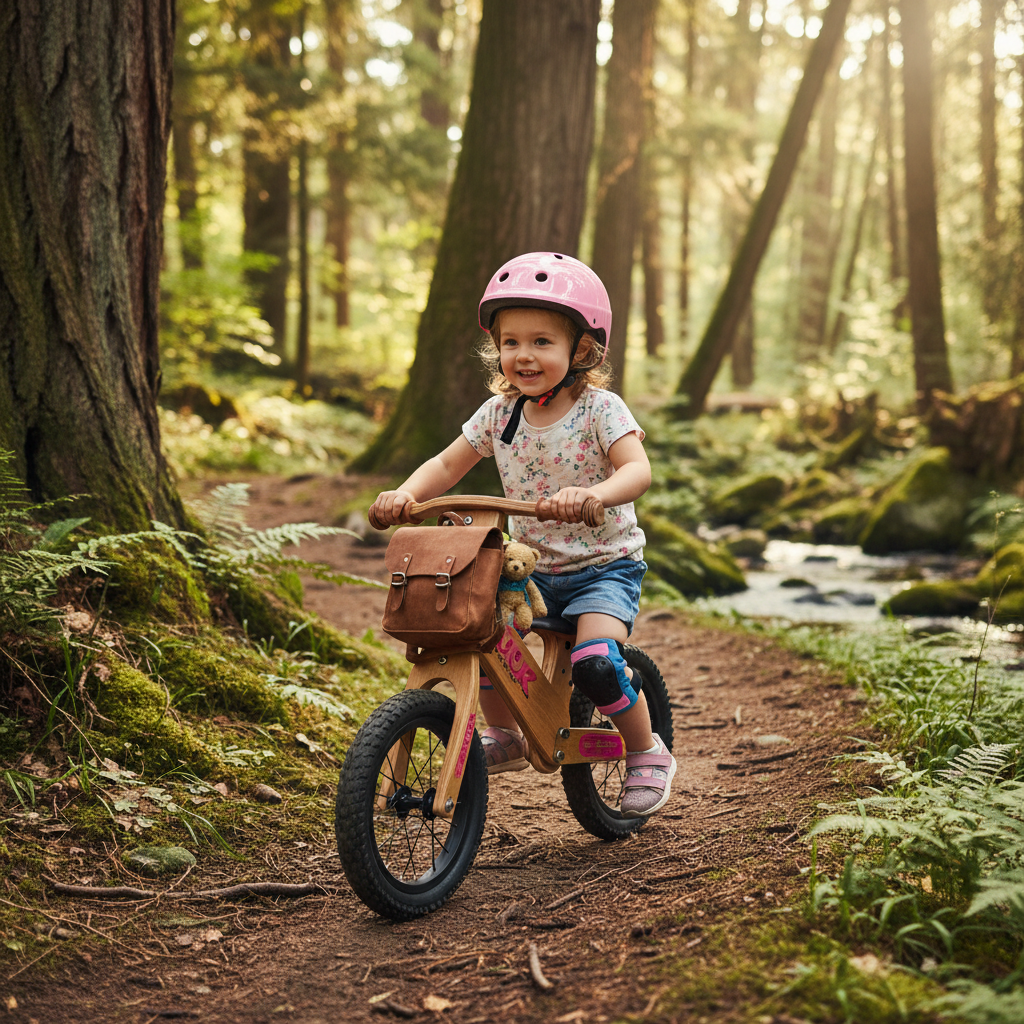
Balance bikes help kids learn to balance before they learn to pedal. They propel themselves with their feet, getting a feel for steering and leaning. It's a great way to build confidence and coordination. Once they've mastered a balance bike, the transition to a pedal bike is usually much easier.
Absolutely! A properly fitted helmet is the single most important piece of safety gear. It can save a life. Make sure it meets safety standards and that it fits snugly. I always tell parents, “Don’t let them ride without it, no matter how short the distance.”
Clean and lubricate the bike before storing it. Store it indoors, if possible, to protect it from the elements. If you must store it outdoors, cover it with a waterproof tarp. And don't forget to inflate the tires to the recommended pressure. A little bit of maintenance goes a long way.
Yes, to a certain extent. We offer a range of colors and component options. We can also do custom paint jobs for larger orders. Just last week, a customer wanted a bike painted to match their daughter’s favorite unicorn. It was a bit of a challenge, but we made it happen!
Conclusion
So, there you have it. These children bicycle aren’t just about gears and frames; they’re about freedom, confidence, and making memories. It's about getting kids outside and active, and giving them a tool to explore the world around them. And it's about building something that lasts, something that can be passed down from one generation to the next.
Ultimately, whether this thing works or not, the worker will know the moment he tightens the screw. And I’ve tightened a lot of screws in my time. If it feels right, sounds right, and rides right… then we’ve done our job. Visit our website at www.gorgeousbike.com for more information.