Choosing the perfect bike for kids 6 years old is more than just a purchase; it is an investment in a child's physical development, coordination, and independence. At age six, children transition from the stability of balance bikes or training wheels to the exhilarating freedom of two-wheeled riding, marking a pivotal milestone in their childhood growth.
Globally, the shift toward active mobility has highlighted the importance of ergonomic design in pediatric cycling. Ensuring that a child has a vehicle that fits their height and weight prevents injuries and fosters a lifelong love for outdoor activity, bridging the gap between play and essential motor skill development.
Whether you are navigating urban parks or suburban trails, understanding the technical nuances of a bike for kids 6 years old—from frame geometry to braking efficiency—ensures a safe and rewarding experience for the young rider and peace of mind for the parent.
Global Industry Standards for Kids Bicycles
The manufacturing of a bike for kids 6 years old is governed by strict international safety standards, such as ISO 4210 and ASTM F963. These regulations ensure that materials used in the frame—typically aluminum alloy or high-tensile steel—can withstand the accidental impacts common in childhood learning, while ensuring non-toxic coatings are used for paint and grips.
In the global market, there is an increasing emphasis on "growth-adaptive" engineering. Manufacturers are now integrating adjustable seat posts and handlebar stems that allow the bike to evolve as the child grows, reducing the frequency of replacement and aligning with global sustainability goals to reduce industrial waste in the transportation sector.
Defining the Ideal Bike for Kids 6 Years Old
A bike for kids 6 years old is specifically engineered as a transitional vehicle. Unlike toddler tricycles or balance bikes, this category typically features 16 to 20-inch wheels, providing the necessary stability and rolling efficiency for a child who has developed basic balance but still requires a lower center of gravity for confidence.
From an industry perspective, these bikes are categorized by their "reach" and "stand-over height." The goal is to allow the child to touch the ground comfortably while maintaining a slight bend in the knee during pedaling, which optimizes power transfer and prevents joint strain during the critical developmental years of skeletal growth.
Modern designs also focus on "cognitive ergonomics," meaning the controls—such as brake levers and gear shifters—are scaled down to fit smaller hands. This ensures that the child can react instinctively to hazards, transforming the bike from a mere toy into a reliable tool for exploration and physical education.
Core Components and Ergonomic Factors
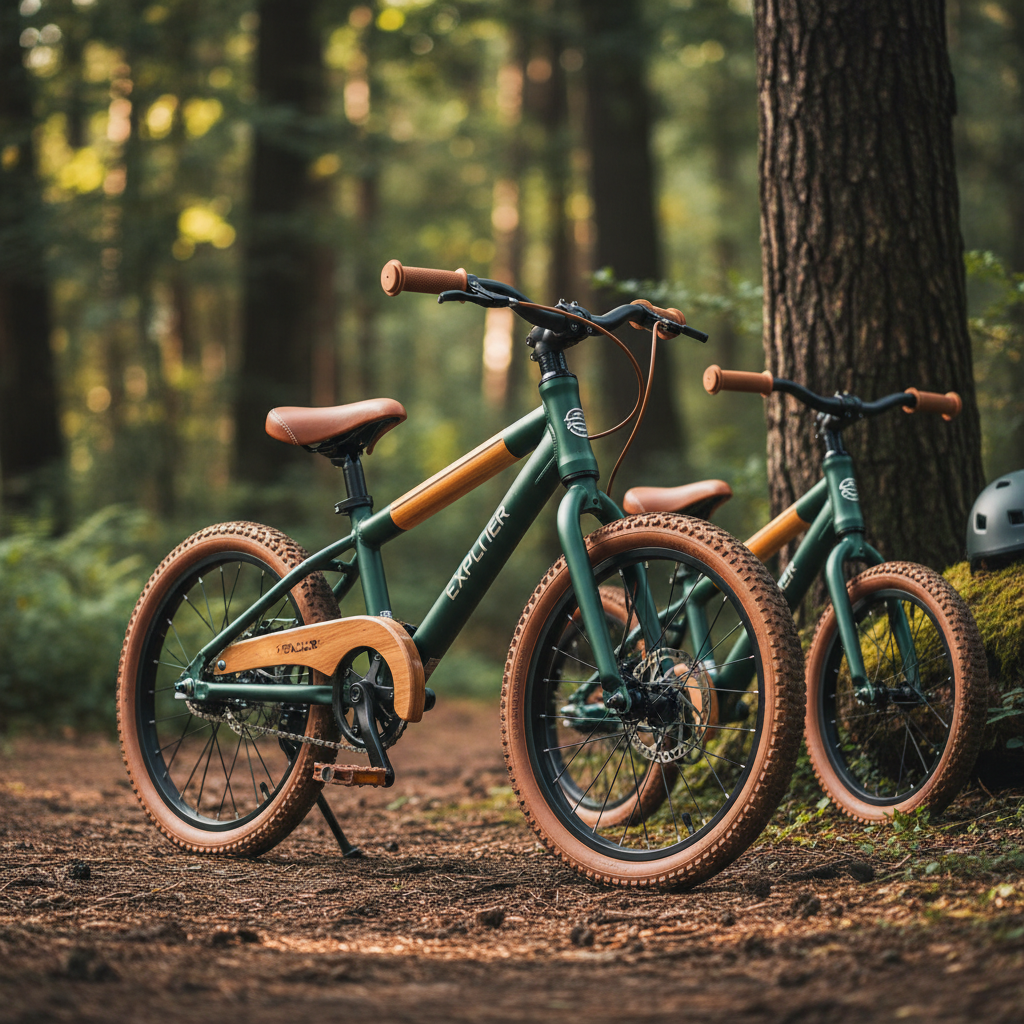
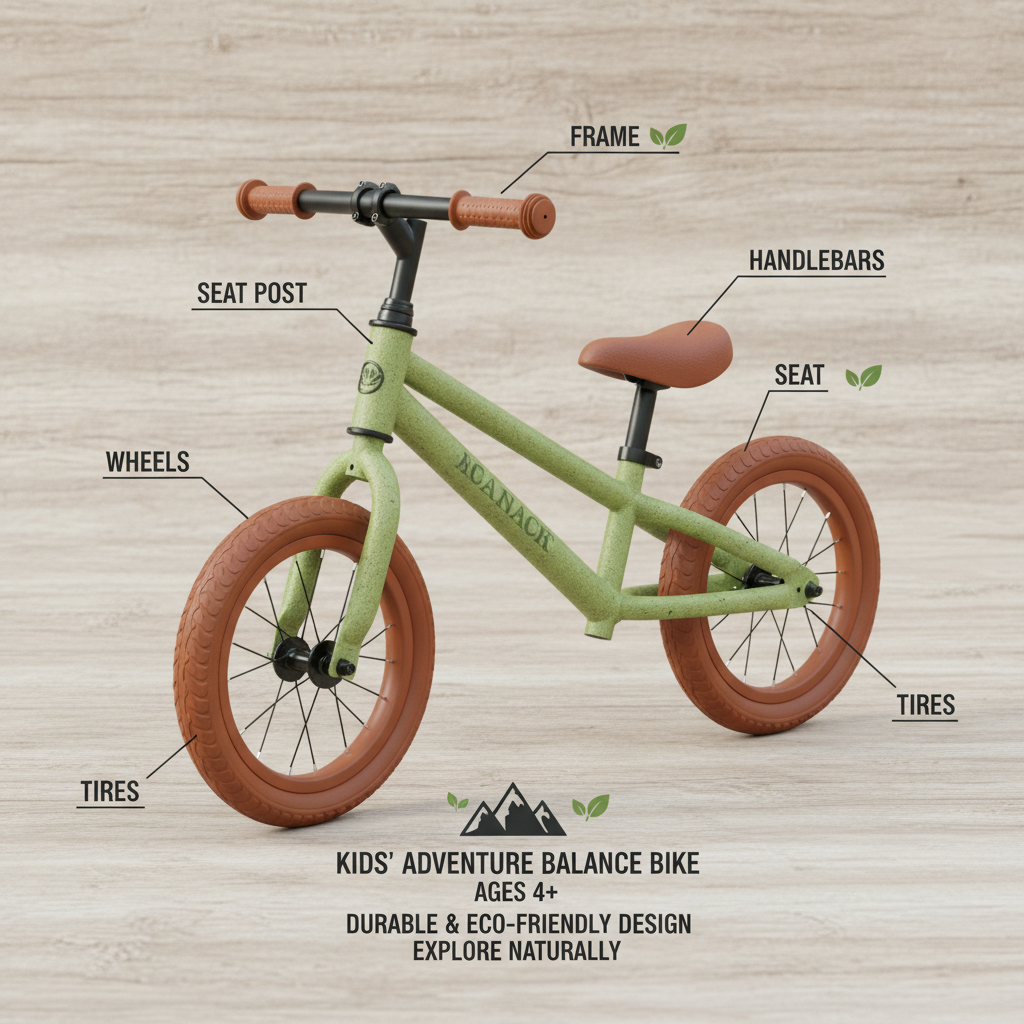
The foundation of any high-quality bike for kids 6 years old lies in its frame geometry. A lightweight aluminum frame is often preferred to reduce the overall mass, making it easier for a six-year-old to maneuver the bike and recover their balance after a wobble.
Braking systems are a critical safety component. For a bike for kids 6 years old, a combination of a rear coaster brake (for intuitive stopping) and a front hand brake (for advanced control) is the gold standard, allowing children to learn modulated braking.
Finally, the contact points—the saddle and grips—must be designed for comfort. An anatomical saddle reduces pressure, while soft-touch, non-slip grips ensure that the young rider maintains a firm hold even when their hands are sweaty or cold, enhancing the overall safety of the bike for kids 6 years old.
Performance Metrics and Safety Ratings
Evaluating the efficacy of a bike for kids 6 years old involves analyzing metrics such as weight-to-strength ratio and braking distance. A bike that is too heavy can be intimidating and dangerous, whereas one that is too light may lack the durability needed for rugged playground use.
Industry benchmarks focus on the "ease of mount" and "stability index." By testing various frame angles, developers can ensure that the child feels secure, which directly correlates to a faster learning curve and a reduction in early-stage cycling accidents.
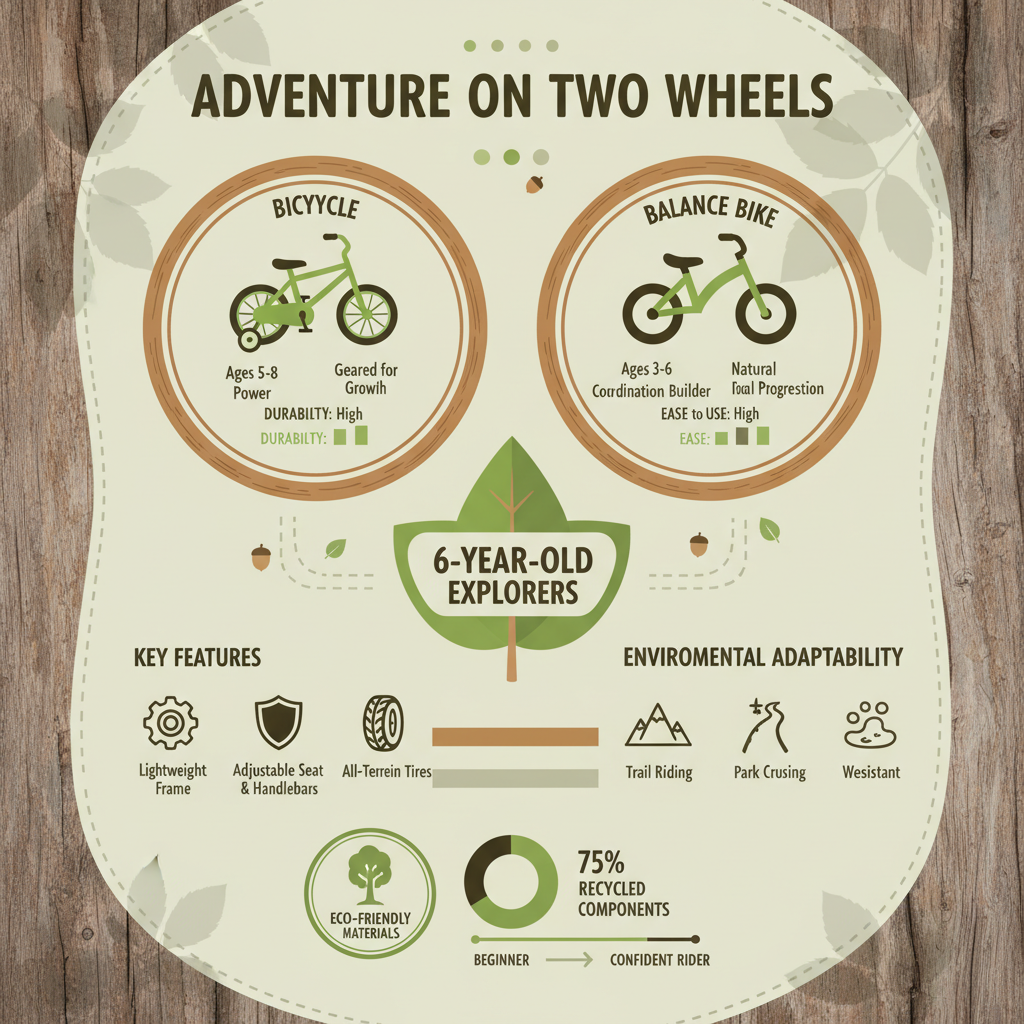
Comparison of Performance Indices for Kids Bicycles
Real-World Applications and Use Cases
In urban environments, the bike for kids 6 years old serves as a critical tool for "micro-mobility." Many European cities integrate these bicycles into school-commute programs, encouraging children to ride to school under supervision, which reduces traffic congestion and promotes early habits of sustainable transport.
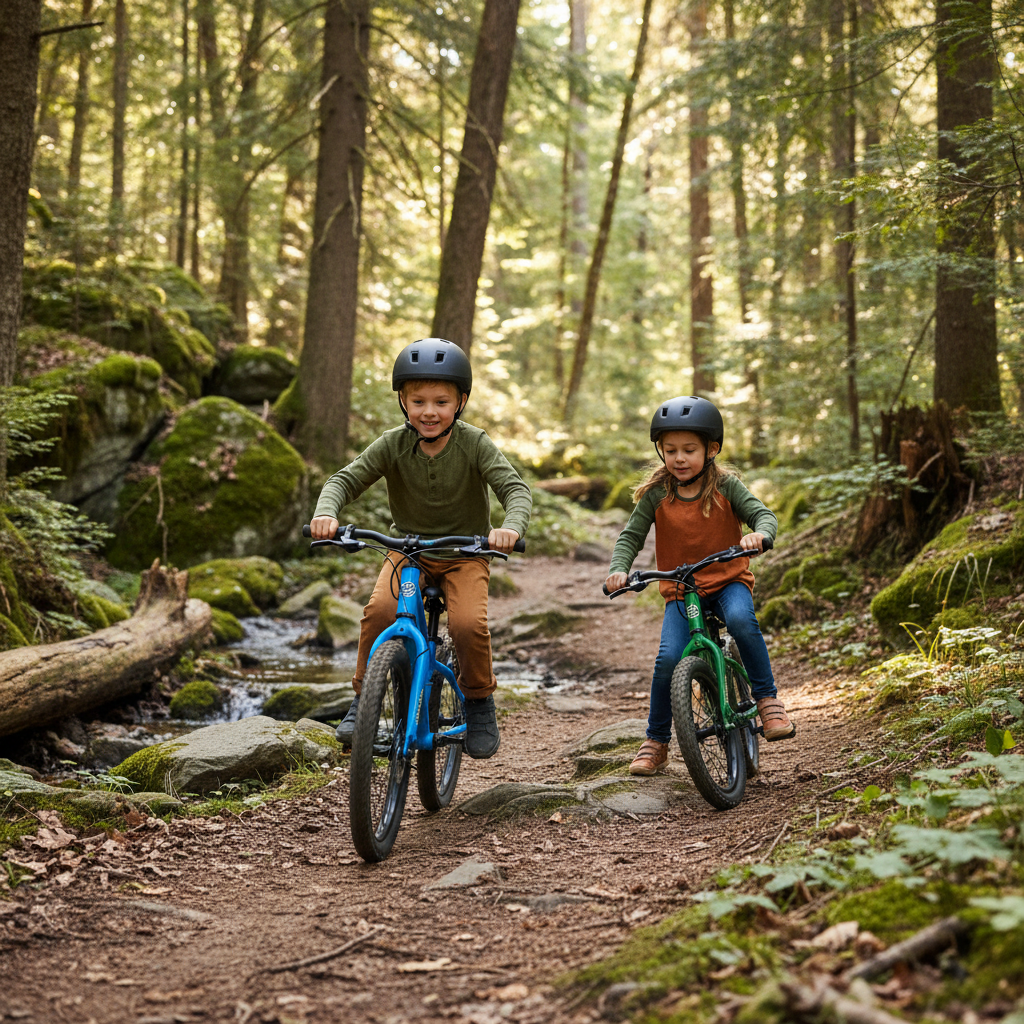
In rural or recreational settings, these bikes are often used as entry-level mountain bikes (MTB). With slightly wider tires and reinforced rims, a bike for kids 6 years old allows children to explore unpaved paths, enhancing their proprioception and resilience as they navigate uneven terrain.
Long-Term Value and Sustainability
The long-term value of investing in a premium bike for kids 6 years old is found in its resale value and durability. High-grade materials prevent premature frame fatigue, meaning the bike can be passed down to younger siblings, significantly reducing the environmental footprint associated with manufacturing new units.
Beyond the financial aspect, there is an emotional value. Mastering a bike at age six builds immense confidence and a sense of autonomy. This psychological boost often translates into other areas of a child's life, such as school performance and social interaction, as they overcome the fear of falling and learn the value of persistence.
Sustainability also extends to the supply chain. Leading manufacturers are now utilizing recycled aluminum and biodegradable rubber for tires, ensuring that the bike for kids 6 years old produced today does not contribute to the landfill problems of tomorrow.
Future Trends in Pediatric Cycling Tech
The future of the bike for kids 6 years old is moving toward "smart integration." We are seeing the emergence of lightweight IoT sensors that can alert parents via a smartphone app if the bike leaves a designated "safe zone" or if the bike detects a high-impact fall, adding a layer of digital safety to traditional riding.
Material science is also evolving, with the introduction of carbon-fiber reinforced polymers that make the bike for kids 6 years old almost weightless without sacrificing structural integrity. This allows for even more agile handling and reduces the physical effort required for smaller children.
Furthermore, the industry is shifting toward modularity. Imagine a bike where the frame can physically expand in length, allowing a bike for kids 6 years old to naturally transition into a bike for an 8-year-old, eliminating the need for multiple upgrades and promoting a circular economy.
Technical Specifications and Market Analysis for Pediatric Bicycles
|
Frame Material
|
Weight Range (kg)
|
Safety Rating
|
Market Segment
|
| 6061 Aluminum |
7.5 - 9.0 kg |
9/10 |
Premium Urban |
| Hi-Ten Steel |
10.0 - 12.0 kg |
8/10 |
Budget Friendly |
| Magnesium Alloy |
6.5 - 8.0 kg |
9/10 |
High-End Performance |
| Carbon Composite |
5.5 - 7.0 kg |
7/10 |
Racing/Specialty |
| Reinforced Polymer |
8.0 - 10.0 kg |
8/10 |
Eco-Conscious |
| Hybrid Alloy |
8.5 - 9.5 kg |
10/10 |
All-Terrain |
FAQS
For most 6-year-olds, 16-inch wheels are the standard, but taller children may benefit from 20-inch wheels. The key is to ensure the child can touch the ground with their tiptoes while seated, allowing them to stabilize themselves easily without feeling overwhelmed by the bike's size.
At age six, many children have the motor skills to skip training wheels entirely, especially if they used a balance bike. However, removable training wheels can provide a confidence boost. We recommend a transition-ready bike that allows for the quick removal of supports as the child's balance improves.
A general rule of thumb is that the bike should not exceed 30-40% of the child's body weight. If the child struggles to steer or cannot lift the front wheel slightly over a curb, the bike is likely too heavy, which can lead to instability and a higher risk of tipping.
Not necessarily. While coaster brakes (pedaling backward) are intuitive, introducing hand brakes at age six is essential for their development. Look for "short-reach" brake levers specifically designed for smaller hands, which allow the child to apply sufficient pressure without straining.
Children at this age grow rapidly. It is recommended to check the seat height every 2-3 months. Ensure there is a slight bend in the knee at the bottom of the pedal stroke; a seat that is too high prevents the child from reaching the ground, while one too low causes inefficient pedaling.
Aluminum is generally superior for kids because it is significantly lighter, making the bike easier to handle. While steel is incredibly durable and often cheaper, the extra weight can make learning to balance more difficult and tiring for a six-year-old rider.
Conclusion
Selecting the right bike for kids 6 years old involves a careful balance of safety standards, ergonomic fit, and durable material selection. By focusing on lightweight frames, adaptive components, and intuitive braking systems, parents can ensure their children develop essential motor skills while remaining safe. The transition to a two-wheeled bicycle is a milestone that blends physical exercise with psychological growth, creating a foundation for a healthy, active lifestyle.
As the industry moves toward smarter, more sustainable materials and modular designs, the value of a high-quality children's bike continues to grow. We encourage parents to prioritize quality and fit over aesthetics to maximize the joy of riding. To explore our full range of ergonomically designed pediatric cycles and accessories, visit our website: www.gorgeousbike.com