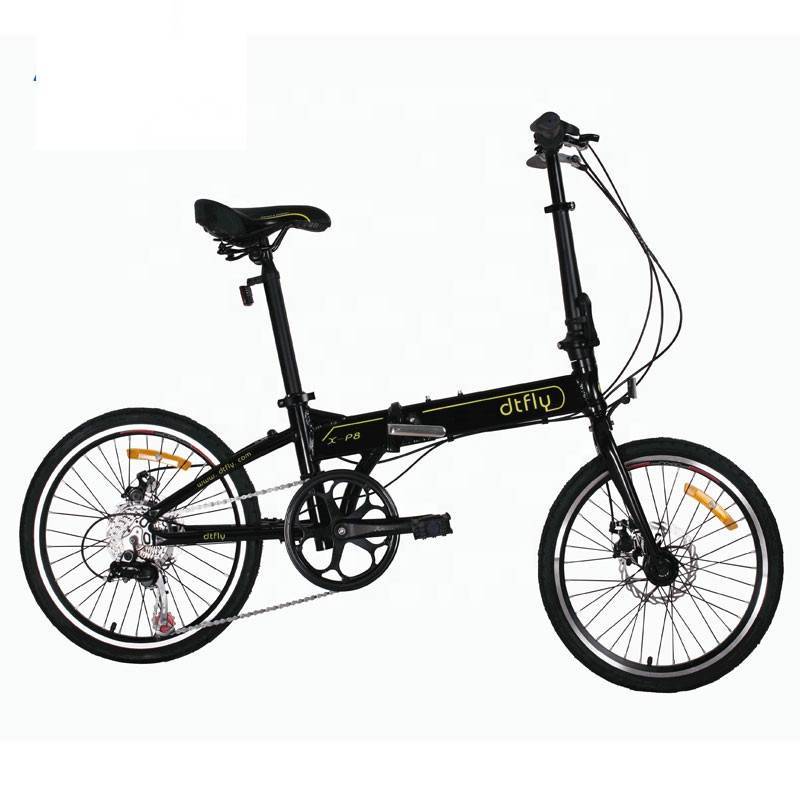
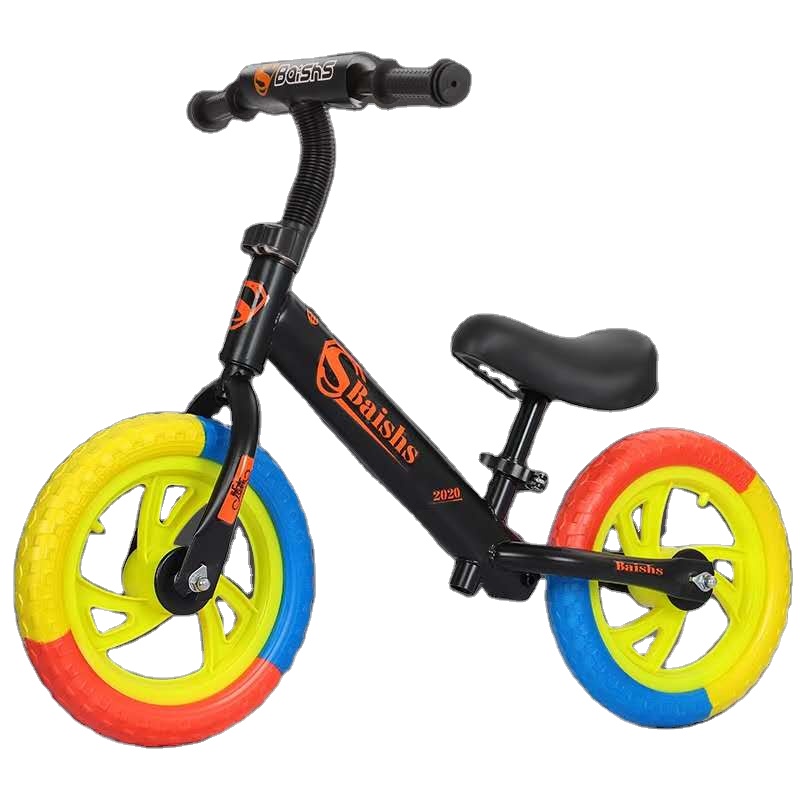
Premium Mobility Solutions for baby swing car in Portugal

Engineering safer, more durable, and ergonomically designed children's transport for the Portuguese urban and coastal landscape.

The Portuguese Children's Mobility Landscape

Analyzing the intersection of urban infrastructure and juvenile transportation needs in Portugal.

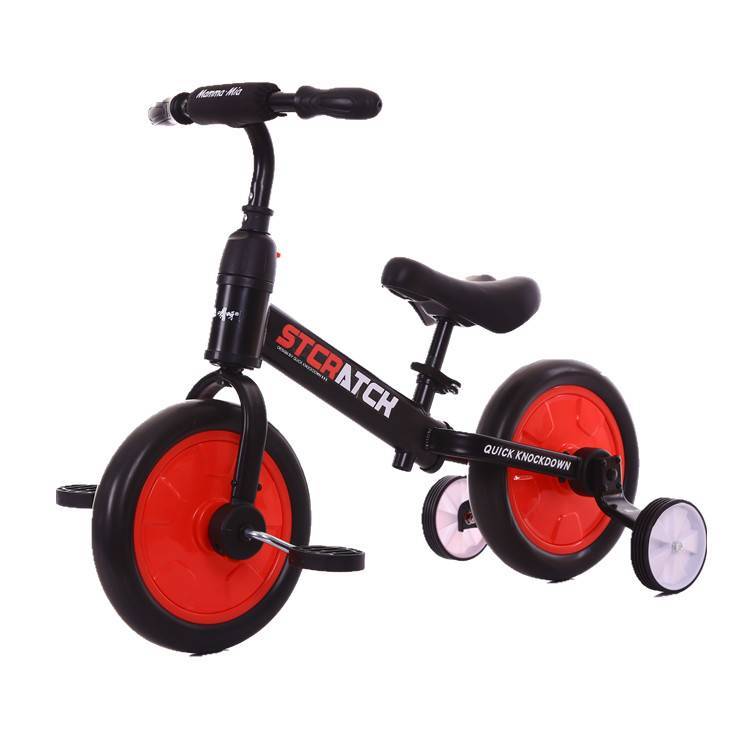
Portugal's unique geography, characterized by hilly urban centers like Lisbon and Porto and flat coastal promenades in the Algarve, demands a versatile approach to the children bicycle market. Parents increasingly seek products that balance stability with maneuverability to navigate diverse terrains safely.

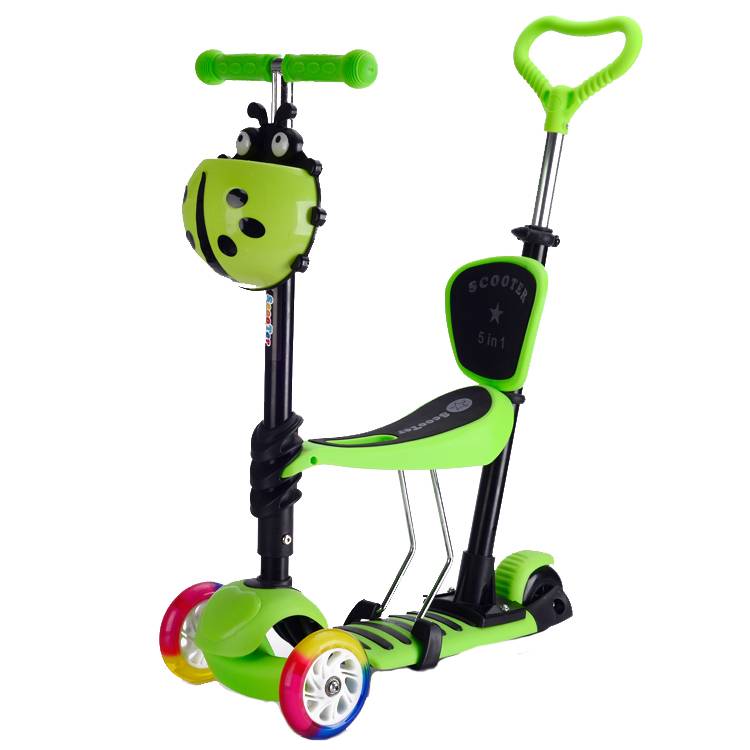
The Portuguese market has seen a surge in demand for the swing car due to its efficiency on the smooth, paved plazas and pedestrian-friendly zones common in Portuguese city planning. There is a strong preference for durable polymers that can withstand the salt-heavy air of coastal regions without corroding.

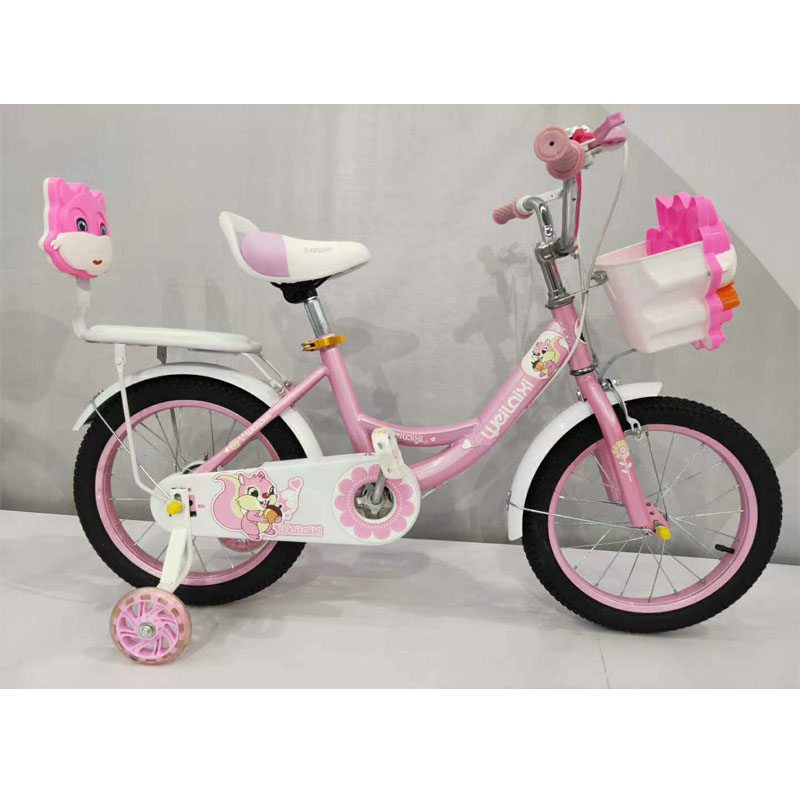
Furthermore, there is a distinct trend toward aesthetic customization. The popularity of the pink swing car indicates a strong consumer preference for gender-specific color palettes combined with the high-tensile strength required for rigorous daily use in public parks.
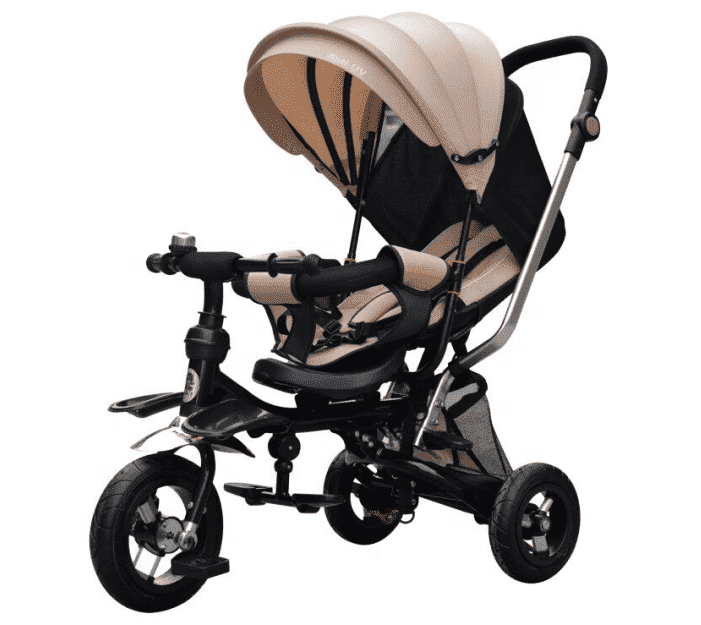
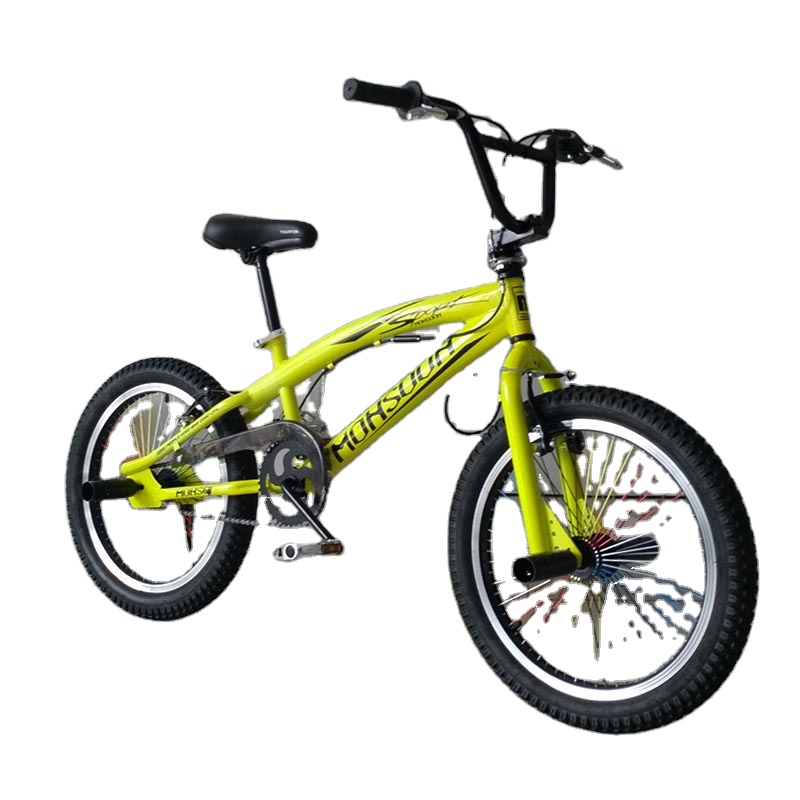
Evolution of Ride-On Engineering

From basic mechanical toys to precision-engineered developmental tools.

Market Development History

In the early 2000s, the Portuguese market was dominated by basic steel-frame tricycles. These were heavy and prone to rust, especially in the Atlantic humidity. The focus was purely on utility rather than ergonomics or child developmental milestones.

Between 2010 and 2018, a shift occurred toward high-density polyethylene (HDPE) and reinforced plastics. This era saw the introduction of the girl swing car, which integrated centrifugal force physics into toy design, allowing for movement without pedals, significantly increasing child engagement.

From 2019 to the present, the industry has moved toward "Safety-First" engineering. Modern iterations now feature non-toxic, BPA-free materials and anti-tip chassis designs, aligning with the strict EU Toy Safety Directive to ensure maximum protection for toddlers.

Future Development Trends

Eco-Polymer Integration

Integrating recycled ocean plastics into the chassis of ride-ons to align with Portugal's aggressive sustainability goals and the EU Green Deal.

Smart-Stability Sensors

Developing gyroscopic stabilization for early-stage bikes to reduce the learning curve and prevent accidents on uneven cobblestone streets.

Modular Growth Systems

Engineering adjustable frames that evolve with the child, extending the product lifecycle and reducing manufacturing waste.

Future Trends & Strategic Outlook

Driving innovation in the juvenile transport sector through material science and user-centric design.


Advanced Ergonomics
Redesigning seat contours to support spinal alignment during the critical growth phases of toddlers in urban environments.

Climate-Resistant Materials
Implementing UV-stabilized polymers to prevent fading and degradation under the intense Portuguese summer sun.

Kinetic Energy Optimization
Reducing friction coefficients in wheel bearings to maximize the distance covered per swing movement.

Safety Certification 2.0
Moving beyond basic compliance to implement proactive impact-absorption systems in all frames.

Industry Outlook

Based on Google search trends in the Iberian Peninsula, there is a marked increase in "sustainable toys" and "educational mobility." This suggests that the next 3-5 years will see a shift from purely recreational toys to "developmental tools" that assist in motor skill acquisition.

We expect the integration of smart-tracking features for parental peace of mind and a move toward a circular economy where manufacturers provide buy-back schemes for outgrown equipment, reflecting the ecological consciousness of modern Portuguese parents.

Localized Application Scenarios in Portugal

Real-world use cases tailored to the Portuguese lifestyle and environment.

1. Lisbon's Pedestrian Plazas

Using a high-maneuverability swing car on the smooth, wide sidewalks of Baixa, allowing toddlers to explore the city center safely while parents navigate the crowds.

2. Algarve Coastal Promenades

Deploying UV-resistant ride-ons on the seaside walkways of Lagos and Albufeira, where materials must resist both intense sunlight and saline corrosion from the Atlantic breeze.

3. Porto's Urban Parks

Utilizing a sturdy children bicycle in the Jardins do Palácio de Cristal, providing a stable platform for children to master balance on varied park paths.

4. Residential Condominiums in Cascais

Safe, indoor-outdoor transitions with lightweight, non-marking wheels that allow for the use of a baby swing car on polished garage floors and paved garden paths.

5. Weekend Family Gatherings in Alentejo

Using durable, all-terrain juvenile vehicles for outdoor activities in the spacious rural estates of Alentejo, focusing on impact resistance and long-term durability.

Brand Story

Global Development Journey of Hebei Gorgeous Bike Co., Ltd.

Foundational Engineering

Established with a vision to revolutionize juvenile transport, we began by solving the critical pain point of structural instability in early childhood ride-ons.

Material Innovation

We pioneered the use of reinforced, non-toxic polymers, ensuring that every product exceeds the most stringent European safety certifications.

Global Market Expansion

By analyzing regional needs, we successfully expanded into the Portuguese market, adapting our designs to suit Atlantic climates and urban layouts.

User-Centric Design Shift

We transitioned from mass production to precision engineering, focusing on ergonomic support and child developmental psychology.

Sustainable Future

Our current mission is to integrate 100% recyclable materials into our fleet, ensuring a greener planet for the children we serve.

Common Questions in Portugal

Expert answers to your queries about children's mobility and safety.

Which baby swing car is best for Portuguese cobblestone streets?

For cobblestone areas, we recommend models with reinforced wheel bearings and a wider wheelbase to maximize stability and absorb vibrations effectively.

Are the children bicycle models compliant with EU safety standards?

Yes, all our bicycles are fully compliant with EN 71 and other EU toy safety directives, ensuring non-toxic materials and secure construction.

How do I maintain a pink swing car in coastal areas like the Algarve?

We suggest rinsing the wheels with fresh water after beach-side use to remove salt deposits and using a damp cloth to preserve the UV-resistant finish.

What age group is the girl swing car typically designed for?

Our swing cars are typically optimized for children aged 2 to 6, depending on the specific model's weight capacity and ergonomic design.

Can a swing car be used on indoor tiled floors in Portugal?

Absolutely. Our wheels are engineered from non-marking polymers that provide excellent grip on tiles without leaving scratches or streaks.

What is the weight limit for the standard children's ride-on series?

Most of our standard models support up to 30-50kg, though specific high-durability models are available for older children with higher weight requirements.

Partner With the Experts in Mobility

Looking for premium manufacturing solutions for the Portugal market? Our engineering team is ready to help you scale.

Contact Us Now

If you are interested in our products, you can choose to leave your information here, and we will be in touch with you shortly.