Selecting the right bicycle for a child is more than just a purchase; it is an investment in their physical development, coordination, and lifelong love for outdoor activity. The landscape of kids bikes 2020 marked a significant shift in manufacturing, where ergonomics and lightweight materials became the standard rather than the exception, ensuring that younger riders could maintain control and confidence.
Across the globe, the demand for high-quality juvenile cycles has surged as parents prioritize active play over screen time. The evolution of kids bikes 2020 reflects a deeper industry understanding of pediatric anatomy, moving away from "miniature adult bikes" toward purpose-built frames that support the unique balance and strength of children.
Understanding the technical nuances of these machines—from brake lever reach to center-of-gravity adjustments—allows caregivers to make informed decisions. By focusing on the innovations introduced in kids bikes 2020, we can ensure that every child's first experience on two wheels is safe, empowering, and exhilarating.
The Evolution of Kids Bikes 2020 Engineering
The engineering philosophy behind kids bikes 2020 centered on the drastic reduction of curb weight. By integrating high-grade aluminum alloys and reinforced polymers, manufacturers managed to lower the overall mass of the frames, making it significantly easier for children to maneuver and recover from tips.
Furthermore, the integration of smarter geometry—lower stand-over heights and shorter reach—ensured that the transition from balance bikes to pedal bikes was seamless. This technical leap in kids bikes 2020 eliminated much of the frustration associated with early learning, fostering a more intuitive riding experience.
Safety Standards and Certification for Youth Cycling
Safety is the paramount concern when designing kids bikes 2020. Industry leaders adhered to strict ISO and ASTM international standards to ensure that every component, from the chain guard to the brake cables, could withstand the unpredictable nature of children's usage. Non-toxic, lead-free paint finishes became a mandatory requirement to protect health during the inevitable close-contact interactions.
The implementation of specialized braking systems was a key highlight of the kids bikes 2020 era. Recognizing that children have smaller hands and less grip strength, manufacturers shifted toward short-reach levers and linear-pull brakes that provide maximum stopping power with minimal effort, drastically reducing the risk of accidents.
Beyond the hardware, the ecosystem surrounding these bikes expanded to include integrated safety education. The synergy between the bike's design and the accompanying safety gear, such as helmets and pads, ensured a holistic approach to risk management, making the kids bikes 2020 a benchmark for youth safety.
Ergonomic Design and Pediatric Fit
Ergonomics in kids bikes 2020 are not merely about size but about proportions. A child's center of gravity is different from an adult's, requiring a frame that balances weight distribution to prevent the bike from feeling "top-heavy," which often leads to instability.
The saddle design for kids bikes 2020 underwent a transformation, utilizing high-density foam and contoured shapes that support the pelvis without causing discomfort during longer rides. This attention to detail ensures that children remain focused on the joy of riding rather than physical irritation.
Adjustability became a core feature, allowing kids bikes 2020 to "grow" with the rider. From adjustable seat posts to customizable handlebar heights, these bikes maximize the product lifecycle, providing value for parents while maintaining a proper fit for the child's evolving anatomy.
Performance Metrics Across Different Bike Types
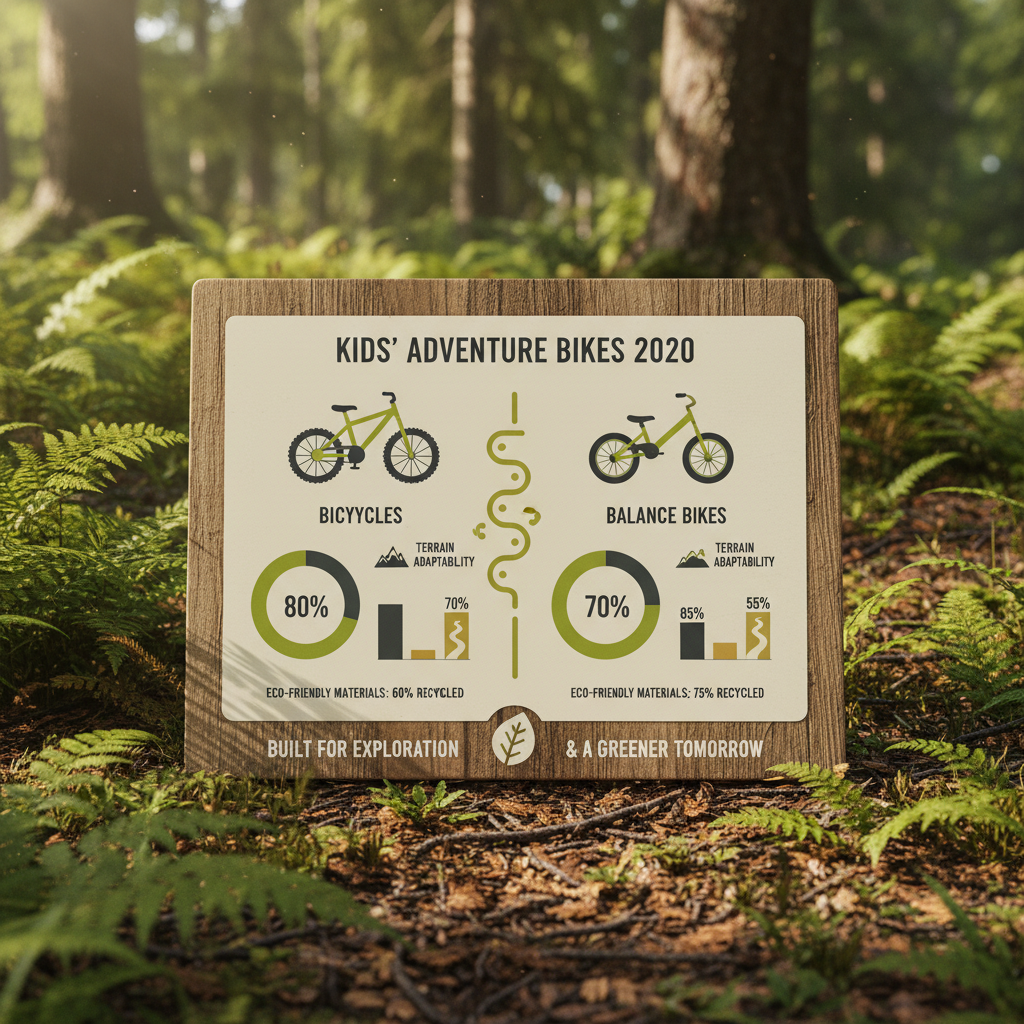
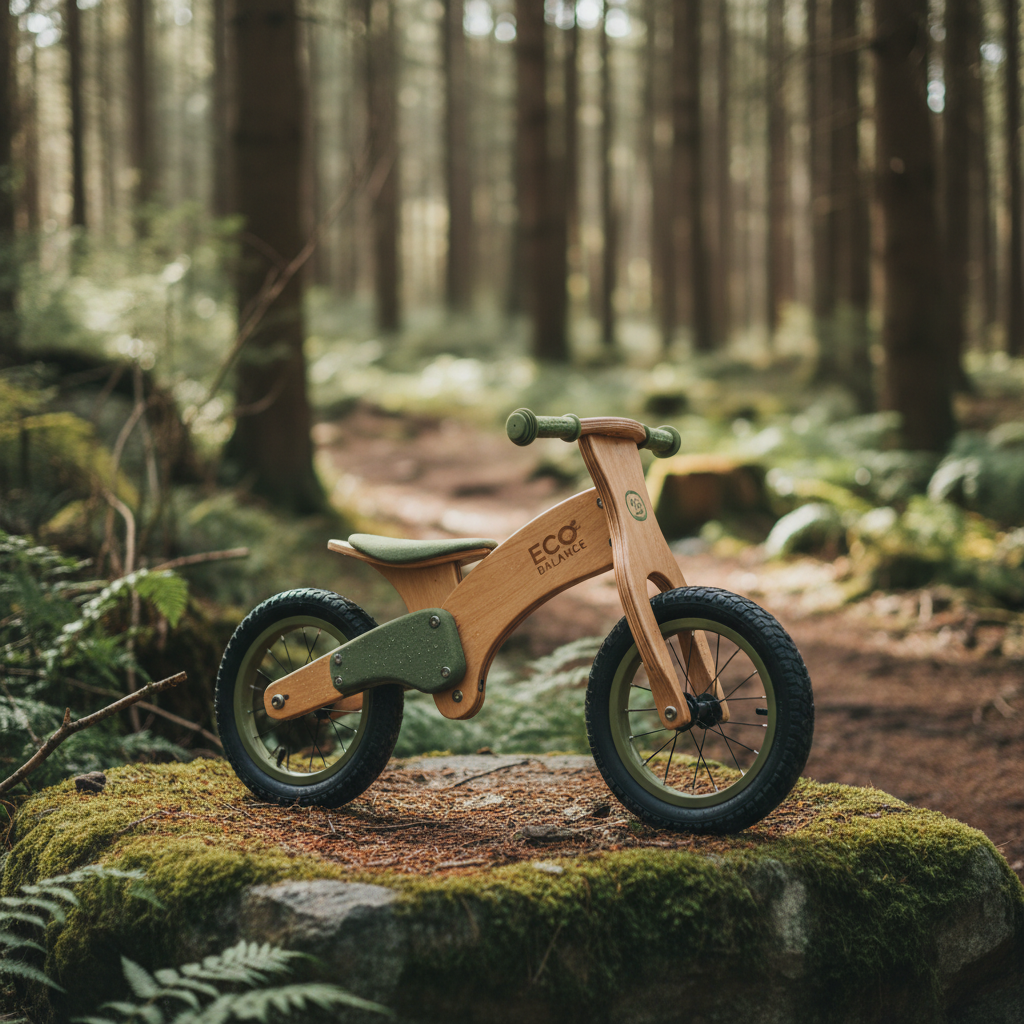
Comparing the different categories of kids bikes 2020 reveals how specific design goals impact performance. While a BMX-style bike focuses on agility and impact resistance for stunts, a City Bike prioritizes stability and comfort for neighborhood commutes. Balance bikes, the precursor to pedal bikes, focus entirely on core stability and equilibrium.
To understand the effectiveness of these designs, we look at performance ratings across several key metrics including weight-to-strength ratio, ease of assembly, and child-user confidence levels. The following data illustrates the strengths of various kids bikes 2020 configurations.
Performance Comparison of Kids Bikes 2020 Variants
Global Market Adoption and Use Cases
The adoption of kids bikes 2020 has been a global phenomenon, with significant growth in European and North American urban centers. In these regions, the shift toward "car-free" childhoods has led to the integration of youth cycles into daily transit, with parents using them for school runs and local errands.
In developing regions, the impact of durable kids bikes 2020 is seen in the improvement of educational access. When children have reliable transportation, the distance to primary schools becomes less of a barrier, demonstrating that these products serve both as recreational tools and essential infrastructure for social mobility.
Sustainability in Juvenile Bike Manufacturing
Modern manufacturing for kids bikes 2020 has pivoted toward a circular economy. By using recyclable alloys and reducing the use of single-use plastics in packaging, the industry is minimizing its carbon footprint. This shift is crucial, as the target audience—children—are the primary stakeholders in the planet's future environment.
Furthermore, the concept of "modular longevity" has been introduced. Instead of discarding a bike as a child grows, kids bikes 2020 are increasingly designed with interchangeable parts, allowing for easy upgrades to larger wheels or more advanced braking systems without replacing the entire frame.
This commitment to sustainability extends to the supply chain. Ethical sourcing of rubber for tires and sustainable coatings for frames ensure that kids bikes 2020 are produced with respect for both labor rights and ecological boundaries.
Future Innovations in Kids Cycling Tech
Looking beyond the current standard, the trajectory started by kids bikes 2020 is moving toward "smart" integration. We are seeing the emergence of IoT sensors that can track a child's riding patterns or alert parents to the bike's location via GPS, adding a layer of security to the independence of riding.
Materials science is also evolving, with carbon-fiber composites becoming more accessible for youth frames. This will lead to even lighter kids bikes 2020 successors that offer professional-grade stiffness and weight, allowing talented young athletes to train on equipment that mimics the professional circuit.
Ultimately, the goal is the total integration of safety and performance. From adaptive braking systems that adjust to the rider's weight to air-purifying accessories, the future of the kids bikes 2020 legacy is one of continuous refinement and child-centric innovation.
Comparative Analysis of Youth Cycling Innovation Tiers
| Bike Segment |
Primary Material |
Weight Efficiency |
Durability Score |
| Entry-Level Kids 2020 |
Hi-Ten Steel |
Moderate |
8/10 |
| Mid-Range Kids 2020 |
Aluminum Alloy |
High |
7/10 |
| Premium Kids 2020 |
Carbon Composite |
Ultra-High |
9/10 |
| Balance Series 2020 |
Lightweight Alloy |
Maximum |
6/10 |
| BMX Youth 2020 |
Chromoly Steel |
Moderate |
10/10 |
| Folding Kids 2020 |
Alloy / Polymer |
High |
7/10 |
FAQS
The most critical feature is the weight-to-size ratio. A bike that is too heavy for a child's strength will lead to poor handling and a lack of confidence. Look for lightweight aluminum frames and ergonomic brake levers that are easy for small hands to operate, ensuring safety and ease of use.
Sizing is based on height and inseam rather than age. Ensure the child can stand comfortably over the top tube with both feet flat on the ground. Check that their arms can comfortably reach the handlebars and that the seat is adjustable enough to accommodate growth over the next year.
While not mandatory, balance bikes are highly recommended. They allow children to master the most difficult part of cycling—balance—before they have to worry about the mechanical coordination of pedaling. This often results in a faster and more confident transition to pedal-based kids bikes 2020.
Regular maintenance is key. Keep the chain lubricated, check tire pressure weekly, and ensure the brakes are responsive. Since kids' bikes are often left outdoors, wiping down the frame and applying a protective wax can prevent rust and keep the bike in top condition for the next sibling.
At a minimum, a CPSC or EN1078 certified helmet is non-negotiable. For beginners, knee and elbow pads are highly recommended to reduce the fear of falling. High-visibility clothing or integrated lights on the bike are also essential if the child will be riding near traffic or in low-light conditions.
Yes, primarily because of weight and resale value. Premium models use lighter materials that make learning easier and more enjoyable. Additionally, high-quality brands maintain their value much better, allowing you to sell the bike once the child outgrows it and recoup a significant portion of your investment.
Conclusion
The advancement of kids bikes 2020 represents a pivotal moment in the transport equipment industry, where the focus shifted from simple utility to a scientific approach to child development. By prioritizing lightweight materials, pediatric ergonomics, and rigorous safety standards, these bicycles have become essential tools for fostering independence and health in the next generation.
As we move forward, the integration of sustainable manufacturing and smart technology will further enhance the riding experience. Investing in a high-quality youth bicycle is not just about a toy, but about providing a child with the confidence to explore their world safely. To find the perfect match for your child, visit our website: www.gorgeousbike.com