
Apr . 16, 2026 01:55 Back to list
Mastering Stability and Technical Guide to Velo Bike Balance
Mastering Stability: The Ultimate Guide to Velo Bike Balance
Achieving the perfect velo bike balance is the cornerstone of a safe and exhilarating cycling experience. Whether you are a professional athlete pushing the limits of speed or a casual rider enjoying a weekend stroll, the way your bicycle distributes weight and handles inertia directly impacts your control and confidence on the road. Proper balance is not just about the rider's skill; it is a synergy between geometry, component placement, and precise tuning. In this comprehensive guide, we will explore the technical aspects of bicycle equilibrium and how you can optimize your ride for maximum stability and efficiency.
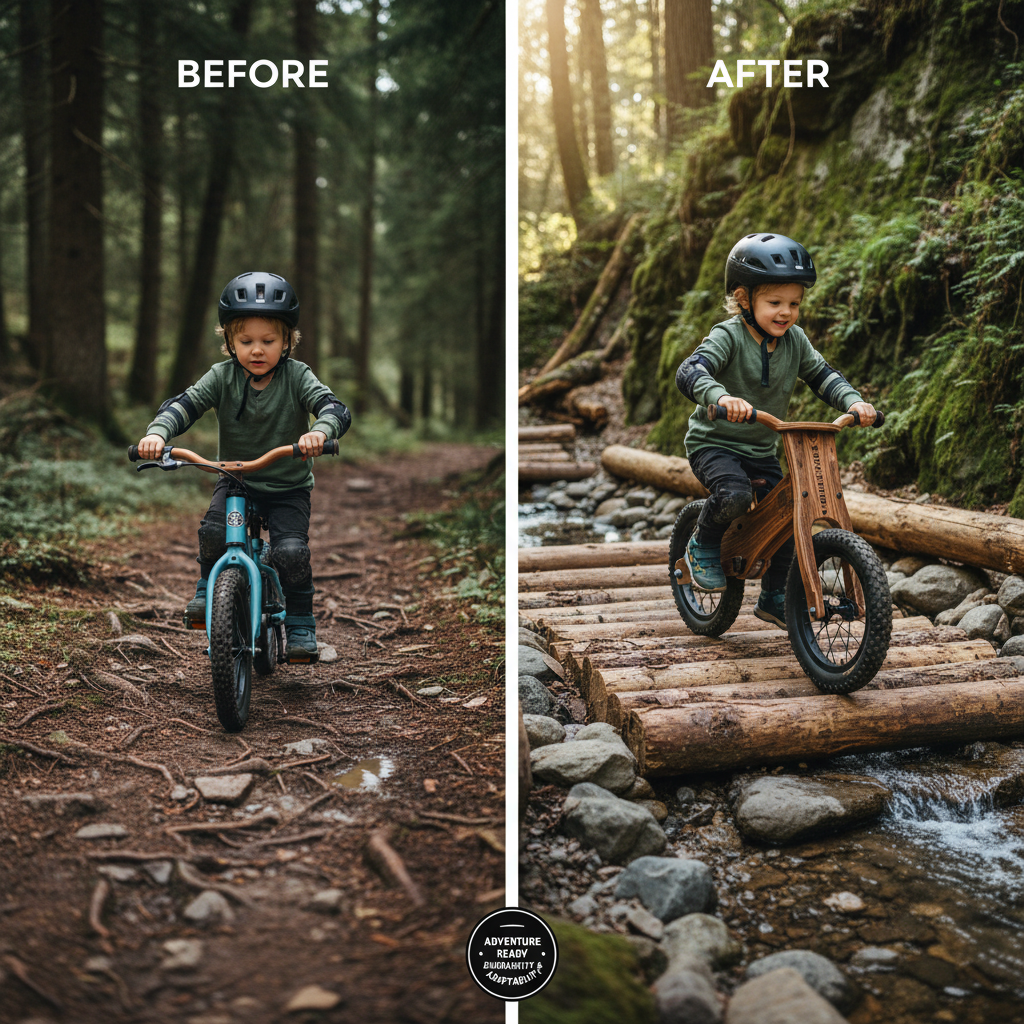
The Physics Behind Velo Bike Balance
At its core, velo bike balance is governed by the relationship between the center of gravity (CoG) and the contact patches of the tires. When the weight is distributed evenly between the front and rear wheels, the bike remains stable during linear motion. However, during cornering, the physics shift. A lower center of gravity allows for more aggressive leaning without losing traction. Professional frames are engineered to optimize this balance, ensuring that the rider's weight is positioned to maximize power transfer to the pedals while maintaining enough front-end pressure for precise steering. Understanding these principles allows riders to make micro-adjustments to their posture to maintain stability in varying terrains.
Pro Tip: Shifting your weight slightly backward during steep descents helps maintain velo bike balance and prevents the risk of tipping forward (OTB), significantly increasing safety.
Essential Components for Optimizing Velo Bike Balance
Several key components dictate how a bicycle feels and handles. The frame geometry—specifically the head tube angle and wheelbase—plays a critical role. A longer wheelbase generally provides more stability at high speeds, whereas a shorter one offers quicker agility. Additionally, the choice of tires and their inflation pressure affects the friction and grip, which are essential for maintaining equilibrium during turns. To truly master velo bike balance, one must consider the weight of peripherals, such as saddlebags or water bottles, as asymmetric loading can create unwanted pull to one side.
Comparing Different Frame Types for Velo Bike Balance
Different types of bicycles are designed for different balance needs. A road bike is optimized for aerodynamic efficiency and high-speed stability, whereas a mountain bike is built for stability on uneven, low-traction surfaces. The distribution of weight varies significantly between these categories to ensure that the rider can maintain control regardless of the environment. When choosing a bike from Gorgeous Bike, understanding how the frame affects velo bike balance will help you select the perfect model for your riding style.
Practical Tips to Improve Your Velo Bike Balance
Improving your stability doesn't always require new hardware; often, it's about how you interact with the machine. First, ensure your saddle height is correct; a saddle that is too high can make it difficult to put your feet down quickly, affecting your static balance. Second, practice "counter-steering"—the technique of momentarily steering away from the direction you want to turn to initiate a lean. This is a fundamental skill for maintaining velo bike balance during high-speed maneuvers. Finally, keep your core engaged, as a stable torso prevents erratic movements that can destabilize the bicycle.
Balance Checklist:
• Check tire pressure for symmetrical grip
• Distribute luggage evenly across the frame
• Adjust saddle for optimal center of gravity
• Maintain a relaxed but engaged core posture
Technical Specifications for High-Balance Frames
When analyzing high-performance bikes, engineers look at specific metrics to guarantee an ideal velo bike balance. The "Trail" measurement—the distance between the steering axis contact point and the actual tire contact point—is crucial. A higher trail increases straight-line stability but requires more effort to turn. Conversely, a shorter trail makes the bike twitchy but agile. At Gorgeous Bike, we prioritize a balance that caters to both safety and performance. Here are the typical specifications for our stability-optimized models:
Conclusion: Ride with Confidence and Equilibrium
Mastering velo bike balance is a journey of both technical optimization and physical practice. By understanding the physics of the center of gravity, selecting a frame with the right geometry, and refining your riding posture, you can transform your cycling experience from unstable to seamless. Whether you are commuting to work or conquering mountain trails, equilibrium is the key to safety and performance. Visit Gorgeous Bike today to find a ride that perfectly balances innovation and stability.
Frequently Asked Questions (FAQs)
How does weight distribution affect velo bike balance?
Weight distribution is critical because it determines how much traction each tire has. If too much weight is on the rear wheel, the front wheel may feel "light," leading to poor steering control and a higher risk of the front end sliding out during a turn. Conversely, excessive front-end weight can make steering feel heavy and sluggish. Achieving a balanced distribution—typically slightly favoring the rear—ensures that you have enough grip for stability while maintaining the agility needed to navigate obstacles safely. Using symmetrically placed accessories can help maintain this equilibrium.
Can the wrong saddle height ruin my bike balance?
Absolutely. Saddle height affects your center of gravity and your ability to react to instability. A saddle that is too high forces the rider to lean excessively or slip off the seat to touch the ground, which can cause a sudden shift in velo bike balance and lead to a fall. A saddle that is too low prevents full leg extension, reducing pedaling efficiency and altering how your weight is distributed across the frame. Proper fitting ensures that your body is positioned optimally to counterbalance the bike's movements during various riding conditions.
What is the role of tire pressure in maintaining stability?
Tire pressure directly affects the size of the contact patch between the tire and the road. Over-inflated tires have a smaller contact patch, which reduces grip and can make the bike feel "bouncy" or unstable on rough surfaces. Under-inflated tires may provide more grip but can lead to "squirming" during turns, which compromises velo bike balance and increases the risk of pinch flats. Finding the "sweet spot" for your specific weight and terrain is essential for maintaining a consistent and stable ride.
How can I practice improving my balance on a bike?
The best way to improve balance is through low-speed drills. Try the "slow race" technique, where the goal is to ride as slowly as possible without putting your feet on the ground; this forces you to use micro-steering movements to stay upright. Additionally, practice riding in a figure-eight pattern to get comfortable with leaning and shifting your weight. Consistently practicing these movements will build muscle memory, allowing you to maintain perfect velo bike balance instinctively, even when facing challenging road conditions or unexpected obstacles.
-
Mastering Stability and Technical Guide to Velo Bike Balance
NewsApr.16,2026
-
Best Toddler Bike with Hand Brakes for Safe Kids Cycling
NewsApr.09,2026
-
Exploring the Unique Style and Performance of Staysick Bike Designs
NewsApr.07,2026
-
Statix Electric A Comprehensive Guide to Streamlining Ecommerce Operations
NewsApr.04,2026
-
Choosing the Right Pedals for Strider Bike A Comprehensive Guide
NewsMar.31,2026
-
The Ultimate Guide to Choosing the Best Hiboy Balance Bike for Your Child
NewsMar.28,2026