
Feb . 27, 2026 01:55 Back to list
Choosing the Perfect Tricycle Balance Bike for Your Child's First Ride
Choosing the Right Tricycle Balance Bike: A Comprehensive Guide
Selecting the perfect first bike for your child is a significant milestone. A tricycle balance bike is a fantastic stepping stone towards independent cycling, fostering balance, coordination, and confidence. This guide will explore the benefits of tricycle balance bikes, key features to consider, and how to choose the best one for your little rider. We’ll help you navigate the options and empower your child to enjoy the thrill of two-wheeled adventures.
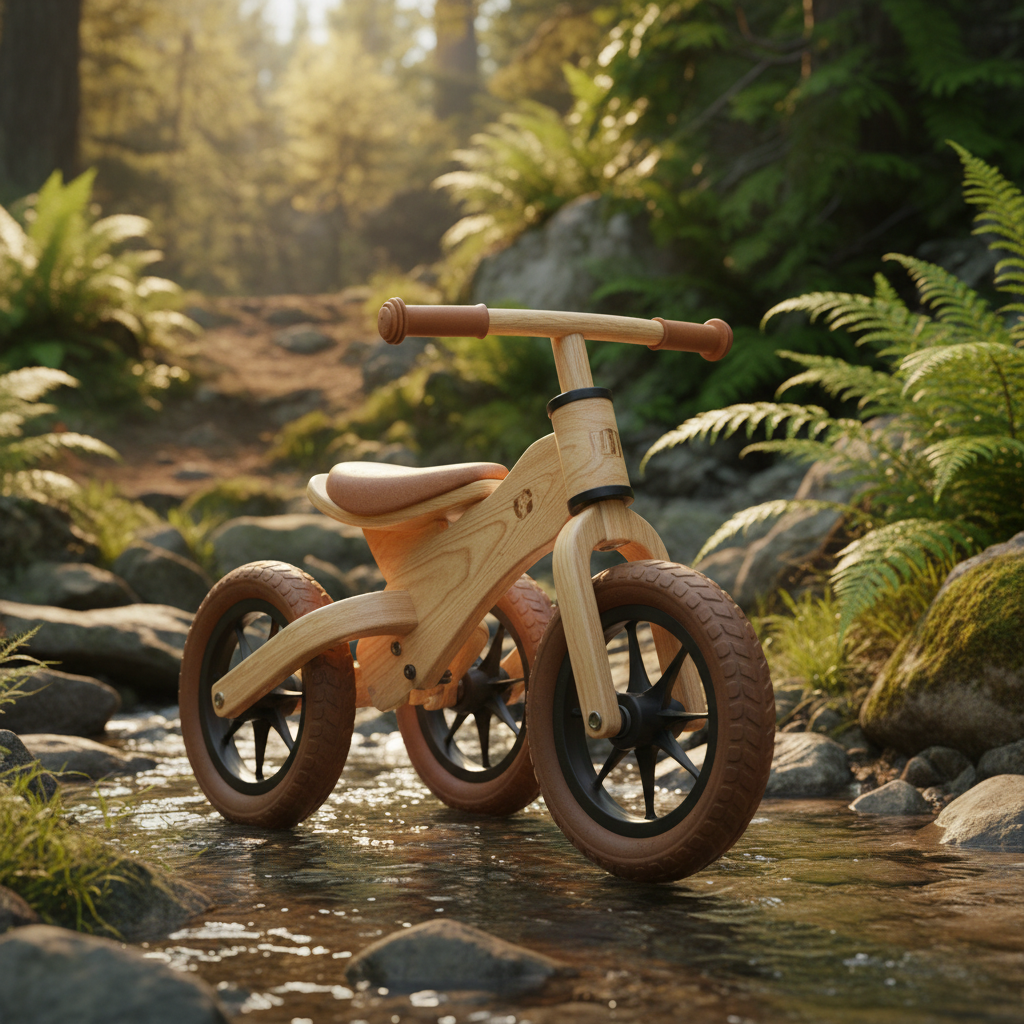
Understanding the Benefits of a Tricycle Balance Bike
Unlike traditional tricycles, a tricycle balance bike encourages children to learn balance first, without the reliance of pedals. This accelerates the transition to a pedal bike, often skipping the need for training wheels entirely. The design fosters a natural riding position, promoting core strength and spatial awareness. Furthermore, these bikes are incredibly lightweight, making them easy for young children to maneuver and control. It builds confidence and a love for cycling early on, setting the stage for years of outdoor enjoyment.
Key Benefits: Promotes early balance development, simplifies transition to pedal bikes, enhances coordination and confidence, lightweight and easy to maneuver, encourages outdoor activity.
Key Features to Look for in a Tricycle Balance Bike
When choosing a tricycle balance bike, several features are crucial. Consider the frame material – lightweight aluminum is ideal, but sturdy steel can also be a good option. Adjustable seat height is essential for accommodating your child’s growth. Look for bikes with comfortable grips and puncture-proof tires. Also, prioritize a bike with a limited steering angle to prevent oversteering, helping your child maintain control. Finally, a well-designed frame geometry is key for a natural and comfortable riding position.
Essential Features:
• Lightweight Frame (Aluminum or Steel)
• Adjustable Seat Height
• Comfortable Grips
• Puncture-Proof Tires
Comparing Tricycle Balance Bike Models
The market offers a variety of tricycle balance bikes, each with its strengths and weaknesses. Here’s a comparison of popular options to help you make an informed decision:
Choosing the Right Size Tricycle Balance Bike
Proper sizing is paramount for a comfortable and safe riding experience. Measure your child’s inseam (inner leg length) while wearing shoes. Generally, there should be approximately 1-2 inches of clearance between the seat and the child’s crotch when seated on the bike. This allows for growth and ensures a comfortable stride. GorgeousBike offers size guides on their website to help you find the perfect fit for your little one.
Safety Tips for Tricycle Balance Bike Riding
Safety should always be a priority. Ensure your child wears a properly fitted helmet during every ride. Knee and elbow pads are also recommended, especially during the initial learning stages. Choose a safe riding area away from traffic and obstacles. Supervise your child closely, and encourage them to practice in a controlled environment. Teaching them basic hand signals and bike safety rules is also essential. A confident and well-equipped rider is a safe rider!
Conclusion: Empowering Your Child's Cycling Journey
A tricycle balance bike is an exceptional investment in your child’s development and well-being. By fostering balance, coordination, and confidence, it sets the stage for a lifetime of cycling enjoyment. Explore the diverse range of options available at GorgeousBike and choose the perfect bike to launch your child’s two-wheeled adventure!
Frequently Asked Questions (FAQs)
At what age should my child start using a tricycle balance bike?
Most children are ready to start using a tricycle balance bike between the ages of 2 and 5 years old, or when their inseam is long enough to comfortably reach the ground while seated on the bike. This typically corresponds with a shoe size of approximately US size 6. However, every child develops at their own pace, so it's essential to assess their readiness based on their physical development and coordination skills. Encourage them to walk with the bike initially to get accustomed to its weight and steering.
How do I teach my child to balance on a tricycle balance bike?
The key is to let your child lead the way and focus on the natural balancing process. Start by lowering the seat so their feet can easily reach the ground. Encourage them to walk and scoot with the bike, gradually lifting their feet for short glides. Avoid holding onto the bike for support as this can hinder their ability to find their balance. Positive reinforcement and encouragement are crucial. Remember, it takes time and practice!
Are tricycle balance bikes suitable for all terrains?
Tricycle balance bikes are best suited for smooth, flat surfaces such as sidewalks, paved paths, and indoor spaces. While some models can handle light grass or gravel, rough terrain can make it difficult for children to maintain balance and control. It’s best to stick to smoother surfaces, especially during the initial learning stages.
How do I maintain a tricycle balance bike?
Regular maintenance is essential for keeping your child’s bike in good condition. Check the tire pressure regularly and ensure the brakes (if equipped) are functioning properly. Clean the bike with a mild soap and water solution, and lubricate the moving parts as needed. Store the bike in a dry place when not in use to prevent rust and corrosion.
-
Mastering Stability and Technical Guide to Velo Bike Balance
NewsApr.16,2026
-
Best Toddler Bike with Hand Brakes for Safe Kids Cycling
NewsApr.09,2026
-
Exploring the Unique Style and Performance of Staysick Bike Designs
NewsApr.07,2026
-
Statix Electric A Comprehensive Guide to Streamlining Ecommerce Operations
NewsApr.04,2026
-
Choosing the Right Pedals for Strider Bike A Comprehensive Guide
NewsMar.31,2026
-
The Ultimate Guide to Choosing the Best Hiboy Balance Bike for Your Child
NewsMar.28,2026