
Apr . 09, 2026 01:55 Back to list
Best Toddler Bike with Hand Brakes for Safe Kids Cycling
Choosing the Best Toddler Bike with Hand Brakes for Your Little Rider
Introducing your child to the world of cycling is a milestone filled with excitement and a bit of nervousness. For parents who prioritize safety and skill development, investing in a toddler bike with hand brakes is a game-changer. Unlike traditional coaster brakes (pedal-back brakes), hand brakes teach children the fundamental mechanics of stopping that they will use for the rest of their lives. In this guide, we will explore why hand brakes are superior for toddlers, what features to look for, and how to ensure a smooth transition from training wheels to independent riding.
Why a Toddler Bike with Hand Brakes is Better for Learning
Many entry-level kids' bikes use coaster brakes, which require the child to pedal backward to stop. While simple, this can be confusing for toddlers who are still mastering the forward motion of pedaling. A toddler bike with hand brakes provides a more intuitive experience. By squeezing a lever, the child creates an immediate physical connection between their action and the result. This develops better hand-eye coordination and prepares them for larger bikes in the future. Moreover, hand brakes offer more precise control, reducing the likelihood of sudden, jerky stops that can lead to tipping.
Pro Tip: Look for "short-reach" brake levers. Toddlers have smaller hands, and levers designed specifically for them ensure they can actually reach and squeeze the brakes without struggling.
Essential Safety Features to Look For
When shopping for a toddler bike with hand brakes, the braking system is just the beginning. You should also consider the frame weight—a bike that is too heavy can be intimidating and harder to stop. Look for lightweight aluminum frames rather than heavy steel. Additionally, ensure the bike has an adjustable seat and handlebars to grow with your child. Tires should be durable and provide a good grip on various surfaces, from paved driveways to park paths, ensuring that when the hand brakes are engaged, the bike stops smoothly without sliding.
Comparing Brake Types for Toddlers
Parents often debate between coaster brakes and hand brakes. While coaster brakes are common on very cheap bikes, they lack the sophistication needed for a child's progression. The toddler bike with hand brakes is widely considered the "gold standard" for those transitioning to two wheels. Let's look at the data to see why hand brakes are the preferred choice for modern parenting.
Step-by-Step Guide to Teaching Hand Braking
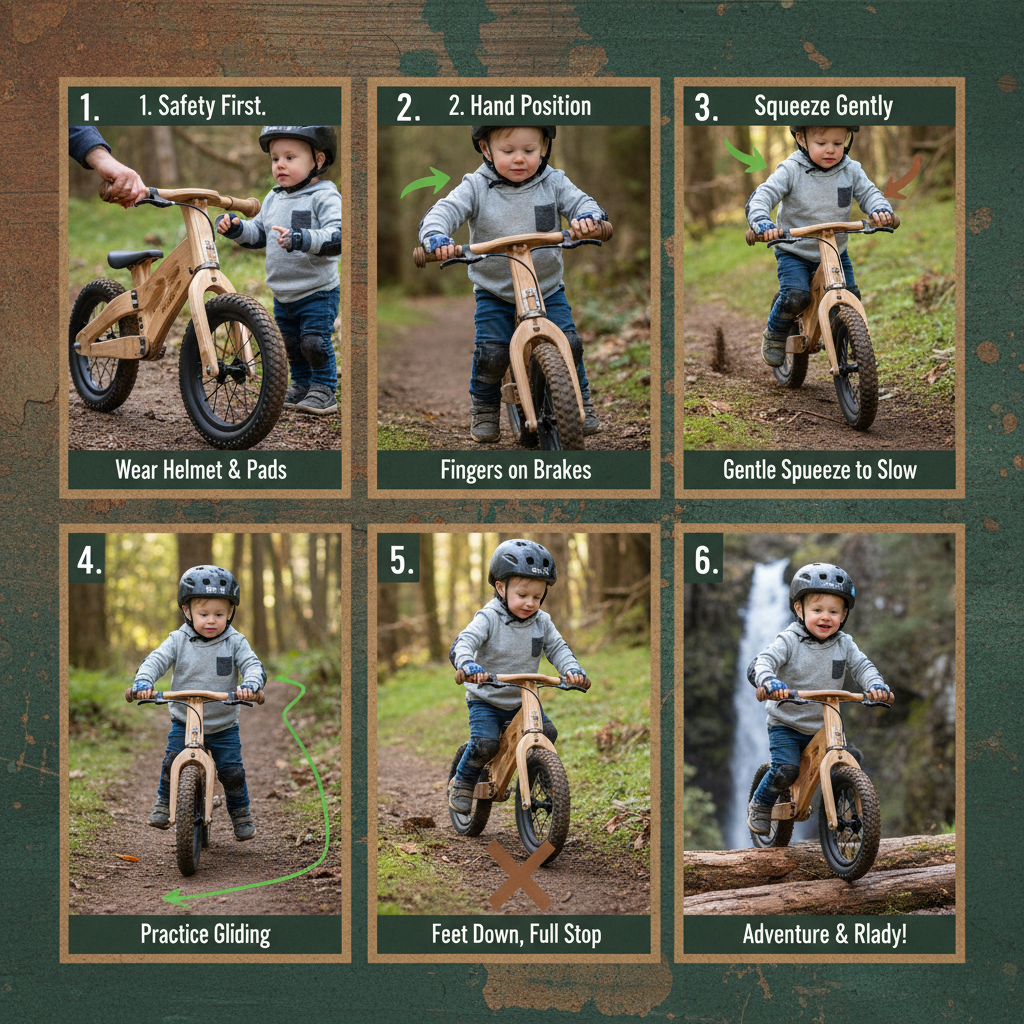
Owning a toddler bike with hand brakes is the first step; teaching them how to use it is the second. Start in a flat, open area like a driveway. First, have your child sit on the bike while you hold it steady, and let them practice squeezing the levers without moving. Once they are comfortable, have them glide slowly and apply the brakes gently. Use positive reinforcement and a "Stop!" command to associate the verbal cue with the physical action. This gradual approach builds confidence and prevents the fear of "slamming" the brakes too hard.
Technical Specifications for Quality Toddler Bikes
When evaluating a toddler bike with hand brakes, the technical specs tell the real story of quality. A high-quality bike will feature a precision-engineered braking system that doesn't require excessive force to operate. The frame geometry should be designed for a low center of gravity, making it easier for a toddler to balance. Below is a specification table typical of a premium toddler bike designed for safety and longevity.
Maintaining Your Child's Braking System
To keep a toddler bike with hand brakes in top condition, regular maintenance is key. Over time, brake cables can stretch, meaning the lever has to be squeezed further to stop the bike. Periodically check the cable tension and adjust the barrel adjuster on the lever. Additionally, inspect the brake pads for wear and tear. If the pads are worn down to the rim, they will lose effectiveness and could potentially damage the wheel. Keeping the rims clean of oil and grime also ensures that the hand brakes bite effectively every single time.
Conclusion: Empowering Your Child with Better Control
Choosing a toddler bike with hand brakes is more than just a purchase; it is an investment in your child's safety and future confidence. By teaching them the correct way to stop early on, you remove the guesswork and anxiety associated with learning to ride. With a lightweight frame, intuitive controls, and a bit of parental guidance, your toddler will be gliding safely and confidently. Visit Gorgeous Bike today to find the perfect match for your little adventurer.
Frequently Asked Questions (FAQs)
Are hand brakes too difficult for a 3-year-old to use?
Not at all, provided the bike is designed for children. Most high-quality toddler bikes with hand brakes feature "short-reach" levers that are specifically engineered for small hands. While there is a slight learning curve compared to simply stopping by not pedaling, most 3-year-olds pick it up within a few days of practice. The key is to start with stationary practice before they begin moving.
What happens if my child squeezes both brakes too hard?
Squeezing both brakes simultaneously can lead to a sudden stop, which might cause a toddler to tilt forward. This is why teaching "gentle braking" is essential. We recommend teaching them to squeeze the brakes slowly and gradually. Over time, they will develop the muscle memory to modulate the braking force based on their speed, which is a critical skill for safe cycling on diverse terrains.
Can I adjust the brake tension myself?
Yes, most toddler bikes come with a barrel adjuster located where the brake cable enters the lever. You can turn this small plastic or metal nut to tighten or loosen the cable without needing professional tools. If the lever is touching the handlebar before the bike stops, tighten the adjuster. If the brakes are rubbing against the wheel, loosen it. For more significant adjustments, visiting a local bike shop is recommended to ensure safety.
Should I use training wheels with a hand brake bike?
Training wheels can be used, but many experts suggest a "balance bike" approach first. However, if you choose training wheels, a toddler bike with hand brakes is still beneficial. It allows the child to learn the stopping mechanism while they are still relying on the training wheels for balance, so that by the time the wheels come off, they have already mastered the most important safety skill: stopping.
-
Mastering Stability and Technical Guide to Velo Bike Balance
NewsApr.16,2026
-
Best Toddler Bike with Hand Brakes for Safe Kids Cycling
NewsApr.09,2026
-
Exploring the Unique Style and Performance of Staysick Bike Designs
NewsApr.07,2026
-
Statix Electric A Comprehensive Guide to Streamlining Ecommerce Operations
NewsApr.04,2026
-
Choosing the Right Pedals for Strider Bike A Comprehensive Guide
NewsMar.31,2026
-
The Ultimate Guide to Choosing the Best Hiboy Balance Bike for Your Child
NewsMar.28,2026